While traditional solar panels are still standing strong despite everyone making advancements to find cleaner energy solutions, a novel invention proves to be 1000 times more powerful than solar panels. It was the scientists at ETH Zurich that has revealed a photovoltaic ceramic solar panel that lives up to its promise of delivering an energy conversion that is strikingly 1000 times better than traditional silicon-based solar panels. This novel invention will be able to capture the sunlight whilst producing synthetic fuels and hydrogen, making it a leader in the solar energy game.
Understanding the ETH Zurich photovoltaic revolution
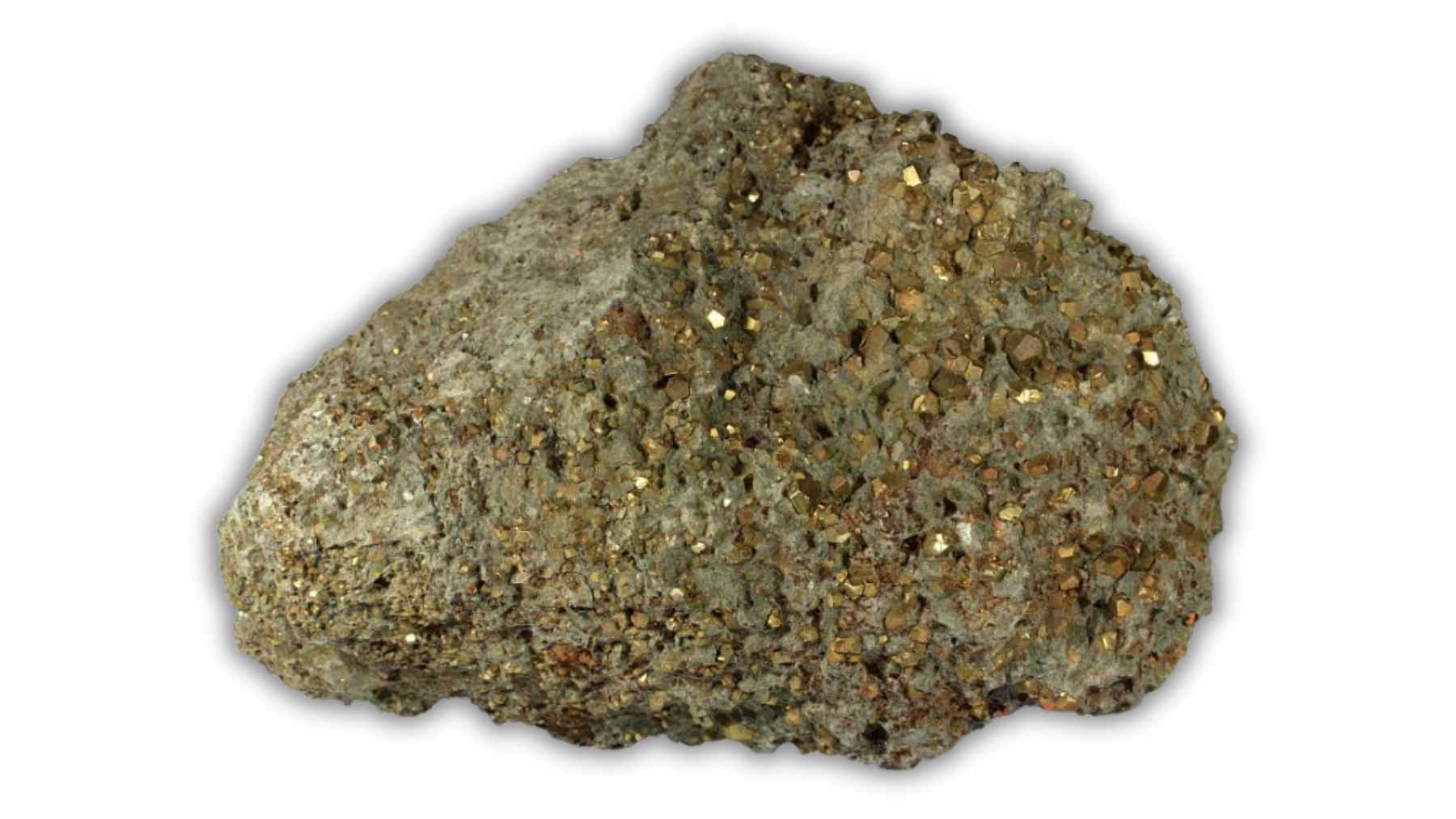
Yet another move away from the traditional solar panels that have long dominated the renewable energy market is this photovoltaic revolution. Newer research on the more conventional silicon solar panels proves that these panels are rather costly to manufacture, and they require installation infrastructure that is rather costly too. The direction that the ETH Zurich team took was to use perovskite nanoparticles embedded in aluminum oxide ceramics, so as to create a solar material capable of overcoming all barriers.
When sunlight shines on the perovskite surface, the nanoparticles generate free electrons transported through the ceramic’s aluminum oxide, delivering them to the surface as usable current. As opposed to more traditional panels, the ceramic material is able to capture both chemical and electrical energy. This is because the ceramic material splits water into oxygen and hydrogen. The hydrogen that results can be captured and stored as a fuel.
S,o ceramic is not just a singular energy source, but a dual energy source and perhaps the energy source of the future.
Growth of synthetic solar fuels
With advances being made in terms of how hydrogen is stored and transported, it makes sense that we are moving towards more powerful solar panels, where photovoltaic ceramic material is surely the future. With the possibility of hydrogen being transported anywhere, it makes more sense why the growth of synthetic solar fuels capable of producing a dual energy source has become not only necessary but mandatory.
Where ETH Zurich is going beyond is by making considerable advances in synthetic solar fuels by creating a process that resembles photosynthesis. A solar reactor is used that has been heated by a parabolic mirror capable of concentrating sunlight to 2732°F (1500°C), which causes the system to split water and CO₂ to produce a fuel mixture of hydrogen and carbon monoxide.
The syngas is further refined into fuels such as kerosene to be used in both aviation and other transportation sectors. The amount of CO₂ that gets released during combustion is equal to what was captured during production. Such a closed-loop approach reduces the global carbon footprint drastically.
A ceramic future for solar
The drift away from the traditional panels is new at all a new phenomenon. What ETH Zurich has developed is more than just an alternative to solar panels; it is redefining the solar energy game. It is surely a possibility for durable, flexible, and multi-functional photovoltaic ceramics to be integrated into building materials, rooftops, or even vehicles, allowing for clean energy generation as well as energy storage without so much as leaving a trace of carbon footprint. Moving beyond solar panels and the realm of the first photovoltaic turbine in history, causing a strange effect in the environment, this photovoltaic ceramic panel is leading the way forward toward far less complex panels.
In a solar-power nutshell
ETH researchers have created these ceramic structures in combination with 3D printing to optimize sunlight capture by making the most of tapered pores and channels to trap light right in the core of solar reactors. In doing so, more heat and a far better fuel yield are allowed, thus maximizing the capacity in comparison to the more dated systems. Photovoltaic ceramics may be the shift in energy technology that takes over the limitations of silicon and, in doing so, reimagines what is possible in terms of the future of the solar energy game and the quest for cleaner power.