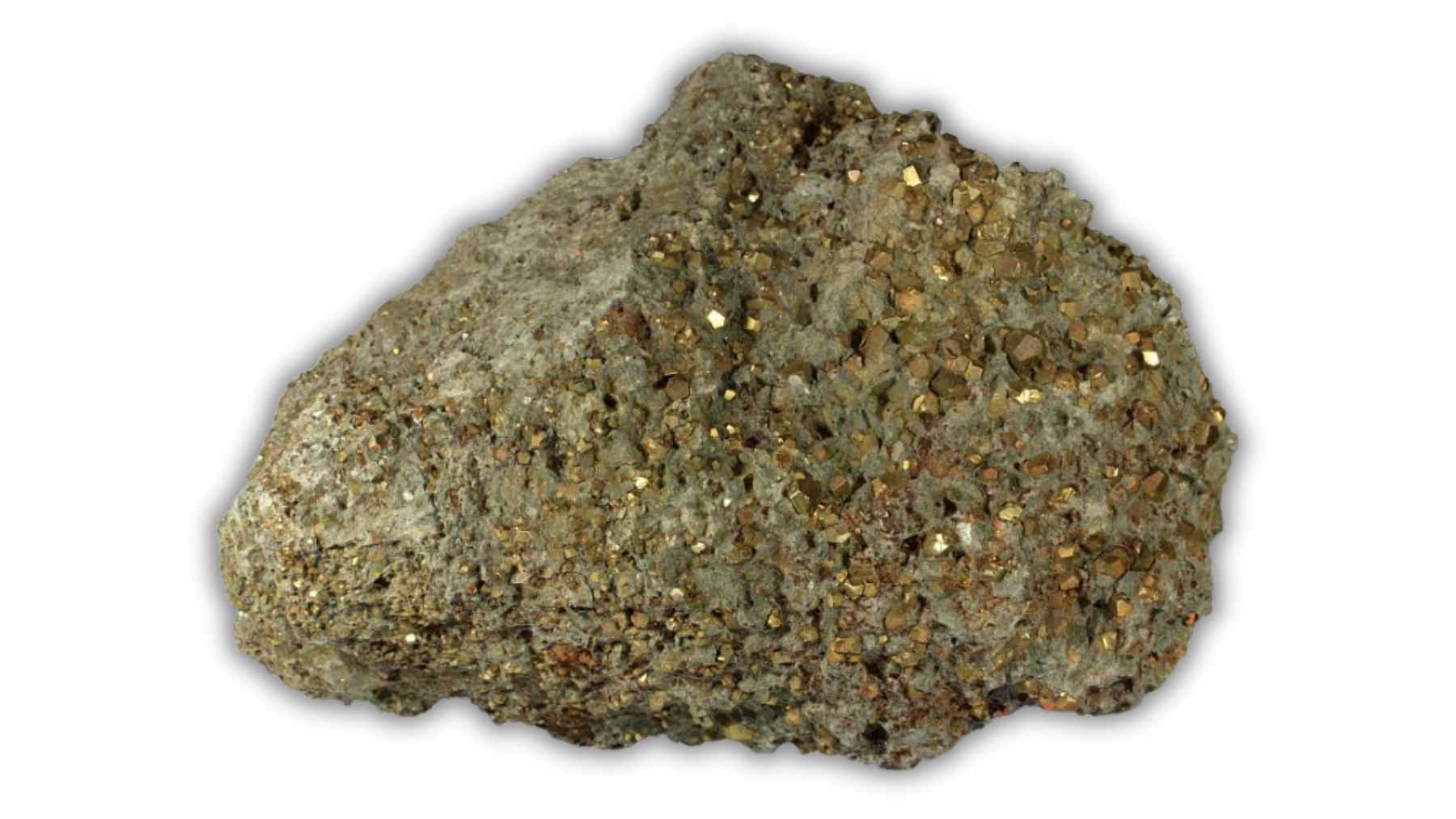
Found deep beneath American soil is approximately 17, 000, 000 tons of copper, a resource that has become as valuable as ever to a nation in search of ways to bring back domestic manufacturing and reduce their reliance on foreign minerals. In an attempt to transition towards cleaner energy, a recent federal order prioritized minerals such as copper, uranium, potash, and gold forcing the U.S. to tap into its own underground wealth so that America can remain stable despite the growing uncertainty with regards to the foreign material front and the trade tariffs being implemented from China.
Understanding the copper industry in America
The copper industry has since struggled with archaic permitting processes and other sticky environmental regulations. On average, it takes up to 29 years to open a new mine in the U.S. However, country leaders are stating that there is a need to create more mines making this 29 years’ timeline no longer viable. Clayton Walker, COO of Copper at Rio Tinto states, “We’ve got to create more mines. Open up some of those resources that we have right here in the U.S. and bring them online.”
Rio Tinto has in fact been hard at work attempting to open the Resolution Copper Mine in Arizona for nearly two decades. If successful, this mine alone could meet about 20% of U.S. copper demands. Currently, progress on the Resolution Copper Mine remains stalled as a result of land disputes and other such environmental reviews. A way forward to forfeit restrictions is to add copper to the federal critical minerals list, which would then allow for expedited permitting and support.
Kennecott’s Bingham Canyon Mine- a steppingstone towards mineral extraction
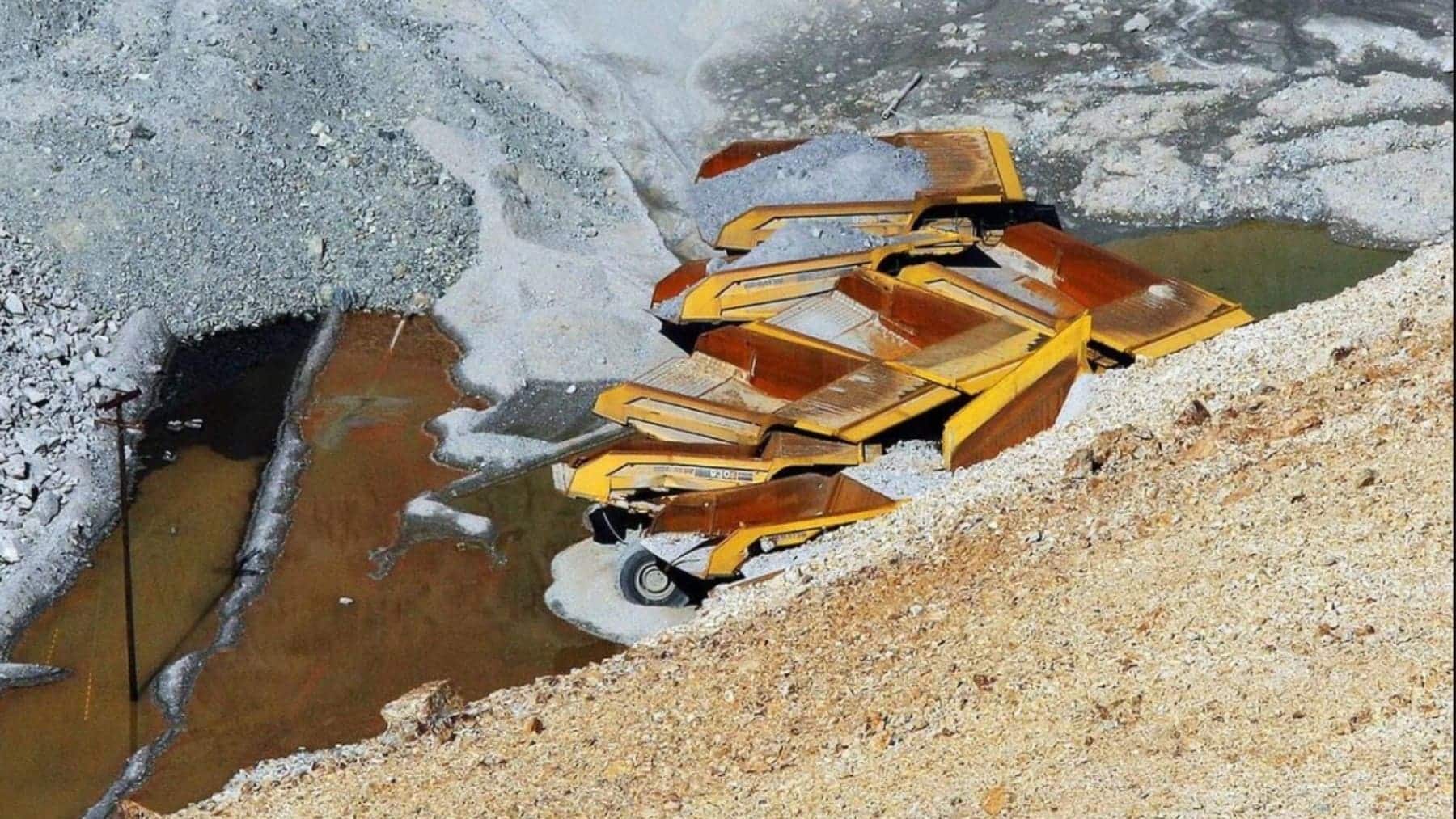
Despite America’s struggles to open new mines, there is one mine that is a beacon of hope: Kennecott’s Bingham Canyon Mine, just outside Salt Lake City, Utah. As a mine owned by Rio Tinto, it serves as the largest open pit mine in the world, spanning 2.5 miles wide and plunging 4,000 feet deep.
For the last 120 years, Kennecott has been a cornerstone of American mining industry. 25% of the copper used by Allied forces during World War II came from this mine. To date, the mine produces around 120,000 tons of copper ore per year, accounting for approximately 20% of U.S. copper production. Kennecott allows miners to mine, smelt, and refine copper all on-site and this is a state of affairs that only one other location in the country can claim.
Nate Foster (Kennecott’s managing director) is proud to state, “The fact that we have one of the cleanest smelters in the entire world makes it actually pretty unique,” The smelter can capture 99.9% of sulfur emissions whilst producing 99.99% pure copper and boasting the fourth-tallest chimney in the world. This is rather promising since China has swept Americans off their feet with the rapid rise of China’s renewable energy division.
Understanding the mining reality and the environmental responsibility when mining
While Kennecott has much promise, it faces much controversy too. In the year 2022, Utah facilities released 181,8 million pounds of toxic chemicals, and 80% originated from the Bingham Canyon Mine and its smelter. The emissions are inclusive of carcinogens such as arsenic, lead, mercury, and cadmium. Despite the environmental upset posed by mines in America, companies like Rio Tinto are committed to reducing the mines overall environmental footprint.
Rio Tinto has as such implemented:
- Dust suppression systems
- Soil remediation programs
- Upgraded smelting technology
- High-efficiency haul trucks to lower emissions
Despite attempts made by Rio Tinto to implement processes to reduce the environmental impact of mines, Dr. Brian Moench warns that cumulative exposure to airborne and waterborne toxins could pose long-term risks to nearby communities and is more harmful for communities where lots of children reside.
Mining endeavors at a crossroads in America
The dilemma is clear while copper can lead to faster development and reduce America’s dependency on foreign sources since 47% of copper is currently imported, mining for copper and other minerals in America could harm ecosystems and communities.
Can America embrace the challenges and become a lead in electric vehicle manufacturing?