Perrin discovered an anomalous uranium ore from Gabon in West Africa in 1972, that contained lower-than-expected levels of uranium-235 (U-235). This finding led to the dramatic realization that a natural nuclear fission reactor was alive billions of years ago in Oklo, Gabon.
Oklo discovery: The world’s first natural nuclear reactor
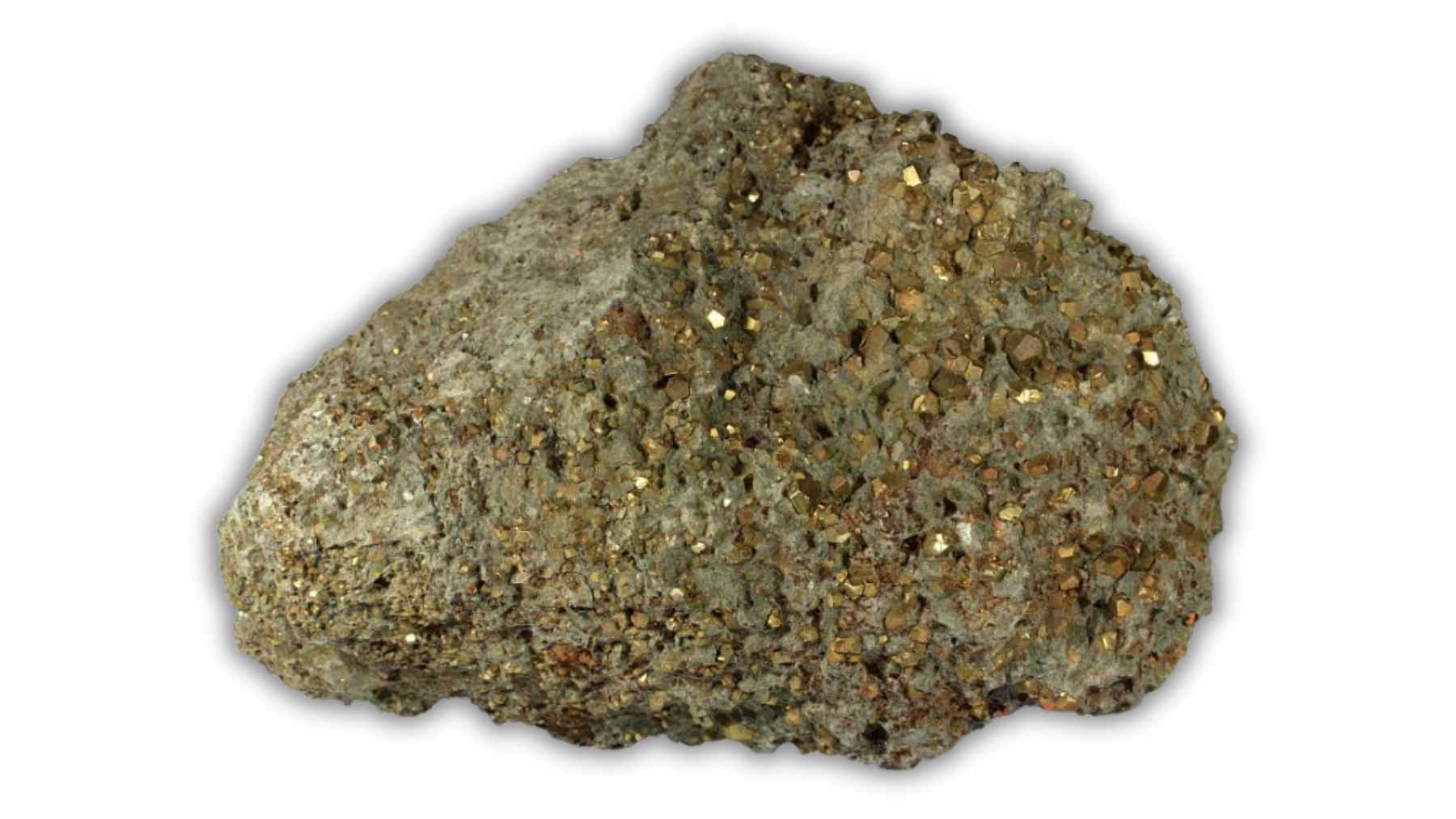
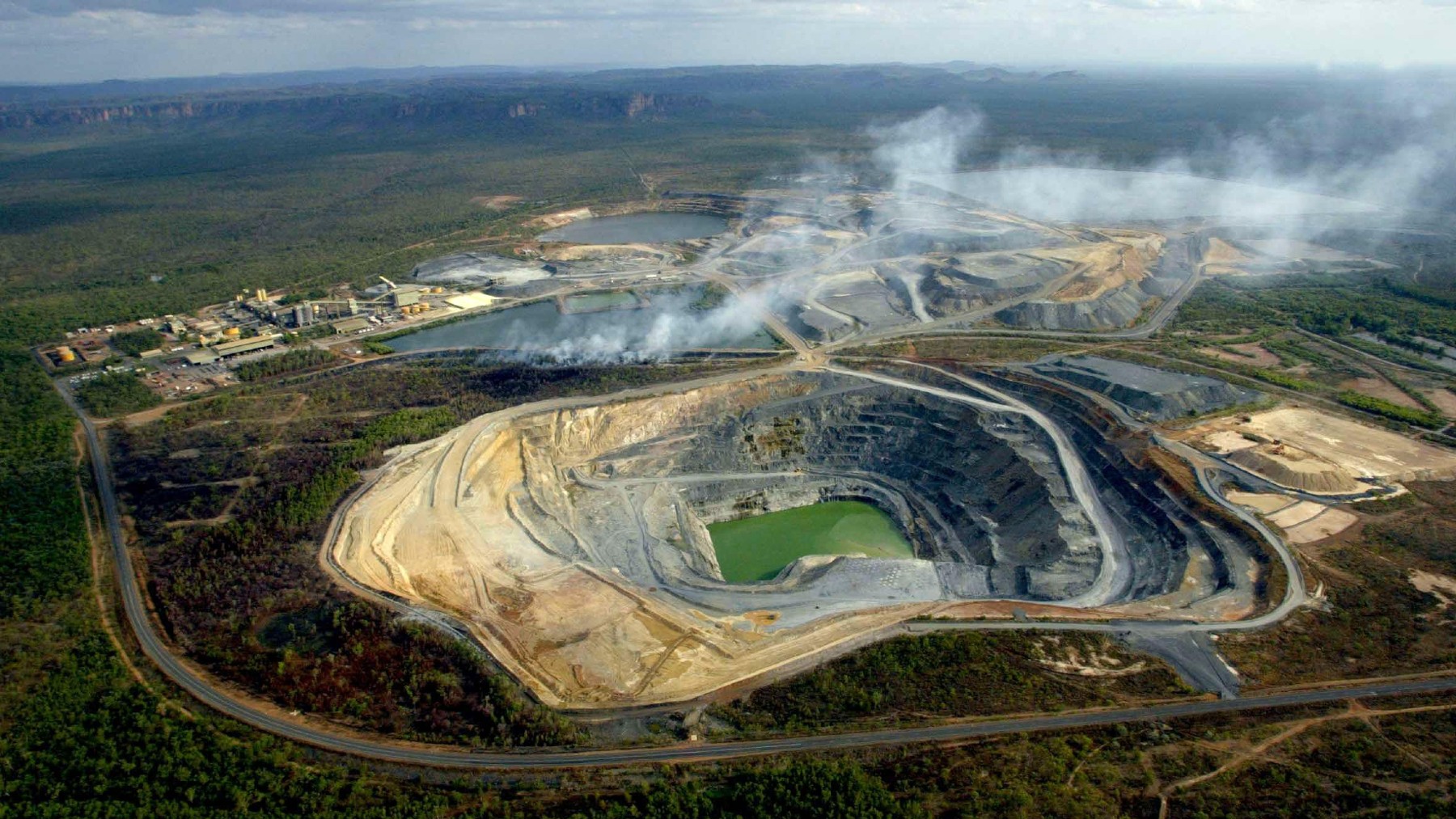
A team of physicists led by Francis Perrin conducted an examination in France of uranium ore from a mine at Oklo, Gabon, in 1972. An anomaly was strange: the uranium-235, a fissile isotope that could be nuclear reactions, was slightly less than that which typically found in natural uranium.
It baffled scientists of a time because all the natural uranium was to have about 0.720% U-235. Initial assumptions were that the ore had undergone artificial fission, maybe in a man-made reactor. The physicists arrived at a stunning conclusion after conducting further analysis, including onsite visits: the uranium ore had gone through natural fission-two billion-years ago.
This remarkable revelation was the first direct evidence of natural nuclear fission, and it altered substantially all our views about nuclear physics. Now, the Oklo site is recognized worldwide as the first natural reactor known to humankind, and the discovery has raised many questions about the possibility of other natural reactors on earth.
The phenomenon of natural fission reactors: How they have sustained during million years
Here are all those things that could make nuclear fission happening. These include having sufficient fissile material present to build critical mass, bringing a moderator capable of slowing down neutrons, and having the right environmental factors capable of sustaining the chain reaction.
At Oklo, the deposits happened to have sufficient uranium-235 to be able to initiate fission, but there was also something that made it possible: water. A neutron moderator such as water slows the neutrons produced during fission, allowing them to continue splitting the uranium atoms.
That arrangement made way for the possibility of states sustained by fission, with on-off cycles of fission as with activity periods of about one to two million years at the Oklo reactor. The moderated reaction occurred further by vaporizing water to steam whenever there was heat generated during the reaction as it went off for a while without any chain reaction.
Eventually when water returned, so would the start time for reactions. This happened on and off within certain intervals, causing fission reactions to be what is called “pulsed.” It is estimated that during its lifetime, the reactor produced about 130 terawatt-hours (TWh) of heat.
The natural reactor was not aided by any human effort during that process, and it went on doing so for millions of years. Intriguingly, the fission products produced during the natural process had a signature associated with them, which continues to distinguish these fission products from others in ore. Hence, scientists were able to identify and study it much later.
The strange case of Oklo: A perfect storm of prerequisites for natural fission
The Oklo natural nuclear reactor is somewhat of a freak-of-nature phenomenon due to the extreme rarity of factors that brought it into action: deposits of uranium with enough U-235, water as a moderator, and a geological context that preserved it all for billions of years.
Other natural reactors may have existed in the past; they have; however, all been destroyed by geological processes. This exceptional preservation at Oklo provides interesting scientific insights into the dependence of natural nuclear fission on certain conditions and begs consideration of what potentially other natural reactors were in Earth’s past.
The amazing discovery of the Oklo natural reactor spoke of the possibilities of natural nuclear fission and described insights into nuclear energy. It adds to the world’s secrets, for there could be phenomena like this that will survive for billions of years. Continuous studies, meanwhile, deepen our understanding of natural radioactivity, nuclear physics in various ways, and the Earth’s ability to support complex systems.