Travelling by aircraft has often been the vision of futuristic designs in the automobile and transportation industry, not just for national and international travel, but also for your regular daily commute. While flying cars are yet to be a reality on the road, that has not stopped automakers and other companies from imagining concepts that could one day be seen ‘flying’ on the road. This brand has unveiled a hybrid-concept aircraft which could go into operation as early as this year.
Concept aircraft take center stage
Recently, futuristic aircraft have begun to become more prominent in the aviation industry. While they still primarily serve a niche market base, their futuristic designs could become more mainstream in the future. One such design that entered this market is the HeliStorm, a futuristic electrical helicopter designed by MagniX to pave the way for a more sustainable aviation industry.
“The helicopter market represents a tremendous opportunity for magniX, as the strengths of our technology align well with the market need,” said Reed Macdonald, CEO of magniX. “magniX’s HeliStorm engines expand upon our existing world leading capabilities and deliver a step change in performance, reliability, and value for our customers. We look forward to bringing our innovative technology to another segment of the aviation industry.”
Electrifying the aviation industry remains a challenge due to the density of the batteries, which would be required to power a commercial aircraft. Due to the current unrealistic weight expectations of such aircraft, hydrogen engines have become increasingly investigated to create engines for aircraft that are more sustainable than current petroleum-based engines.
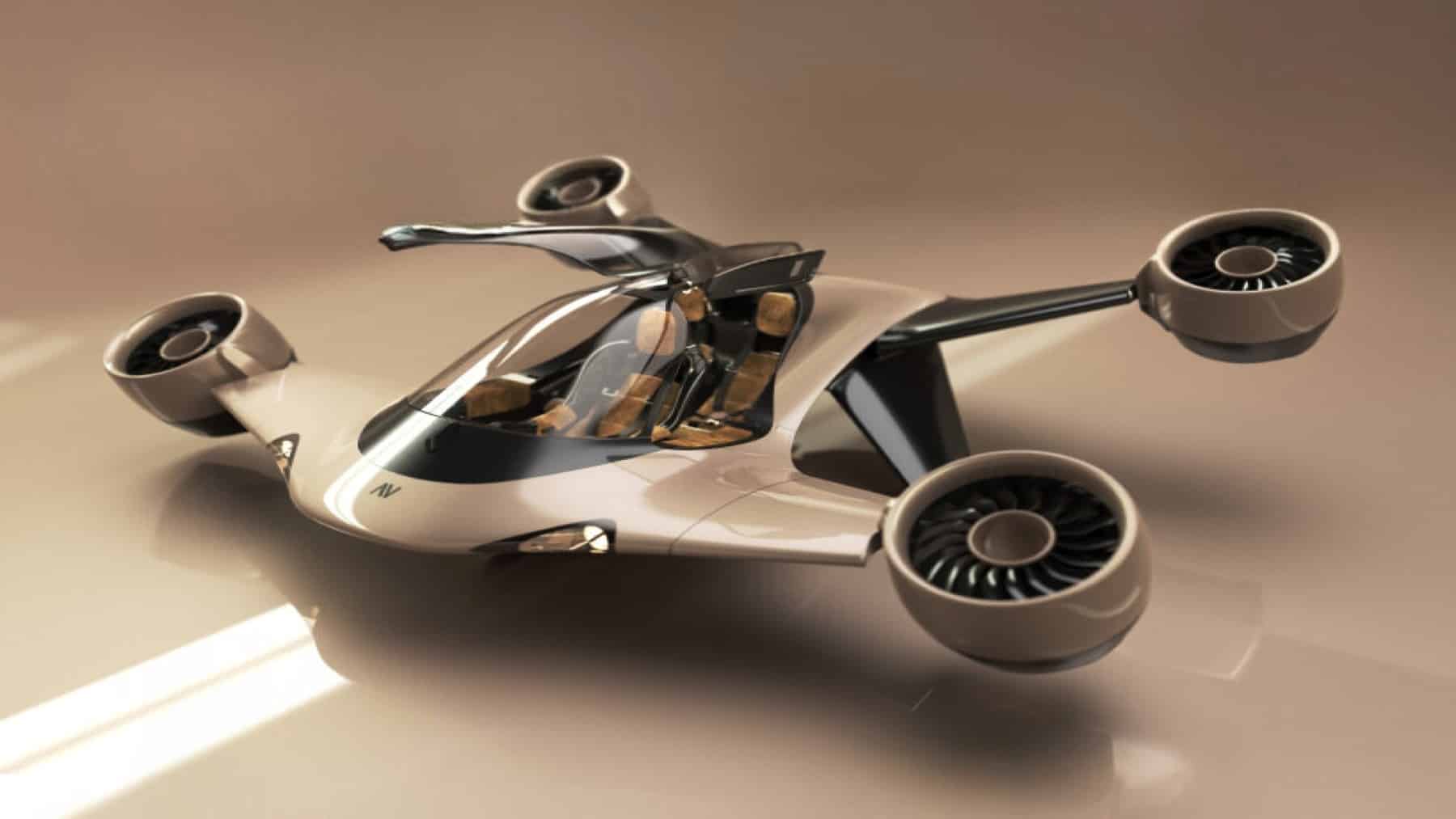
New hybrid eVTOL aircraft from AltoVolo
Recently, AltoVolo has unveiled a new design for an electrical vertical take-off and landing (eVTOL) aircraft, which can take off right in front of your own home. Not only is the electrical technology considerably niche due to the challenges associated with electrifying aircraft, but the aircraft would act as personal transportation entities that are capable of landing across cities, buildings, roads, and even yachts.
These niche electrical aviation designs are set to make personal aircraft more practical for use outside of simply using them to fly interstate and globally. Dubbed the Sigma, the aircraft can carry 270 kg of cargo and hover for 15 minutes. It has a top speed of 290 mph and a 510-mile range thanks to its hybrid drivetrain. The maximum range for the electric-only mode is 260 miles. As of right now, the noise level at 100 meters during takeoff is predicted to be between 65 and 70 dB and can reach a maximum height of 10,000 feet. With operations set to begin this year, the UK-based company could soon be distributing the aircraft in the US.
The reality of electric aircraft
While privately-owned aircraft and concepts such as HeliStorm and Sigma may be a possibility, the reality is that the aviation industry is still a long way from achieving fully-functioning electric aircraft. While electrical engines have been hailed by major automobile companies as the prevailing solution towards discarding the industry’s reliance on fossil fuels, aircraft face unique challenges with regard to renewable solutions.
Not only does the challenge rely on the technical needs of large aircraft, but the industry faces regulatory challenges as well as high costs and policy risks. With air travel already being incredibly expensive, experts have noted that renewable solutions drive up ticket prices even higher. In addition, new infrastructure would be needed, which also requires increased capital and investment. While progress has been made by some companies in providing hydrogen solutions towards more renewable solutions in the industry, the reality remains that the aviation industry may be one of the last in the transportation industry to achieve carbon-neutrality.