The search for renewable energy sources that are efficient and cost-effective has affected all sectors, and wind energy is no different. If we stop to think about current turbines, we will see that they already play a very important role in the production of clean energy, but there is always a need to further optimize the processes involved, in addition to actually reducing the costs of generating this energy. With this in mind, a Norwegian company created a floating wind turbine, which has an unusual design and could represent the revolution we have been waiting for all this time.
It seems the secret lies in offshore wind energy
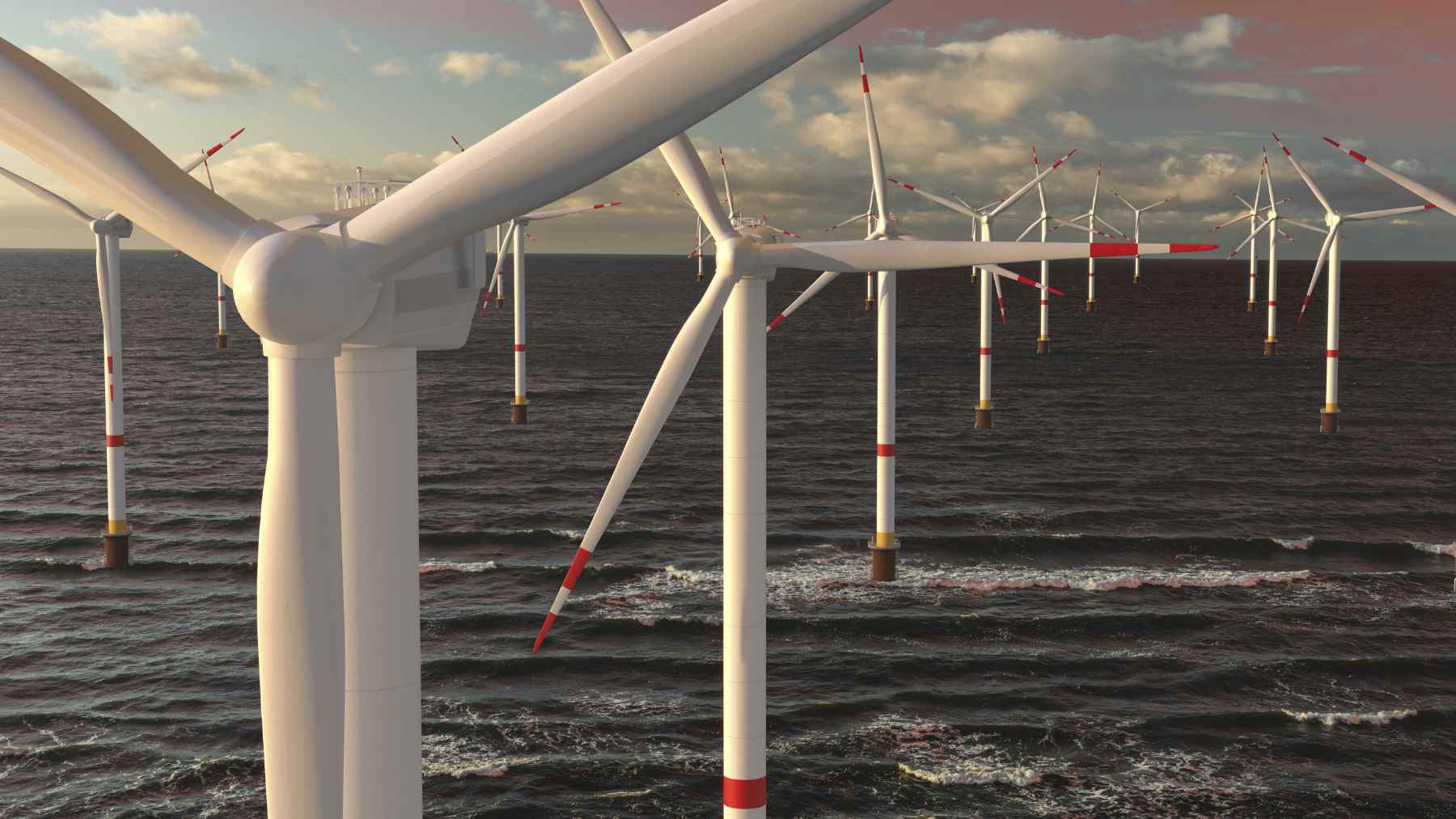
Since it is a floating wind turbine, we are talking about the offshore wind energy sector: all wind energy generated on the high seas. Why this sector? Well, it is one of the alternatives that has the best chance of increasing the capacity to produce clean energy, and the reason for this is that some of the high-quality wind resources are located in areas that are difficult to access, such as deep waters. However, even with this advancement, there are still many challenges regarding the cost of construction, maintenance, and stability of these turbines.
Why invest in this new model if there are still so many challenges? Some may ask, and the answer is: traditional horizontal axis turbines are inefficient when inserted in the offshore sector. This is totally linked to their design, which makes them heavy and requires complex and expensive structures to be fixed to the seabed… that is where the difficulty of maintenance and high cost come from.
A vertical-axis turbine?
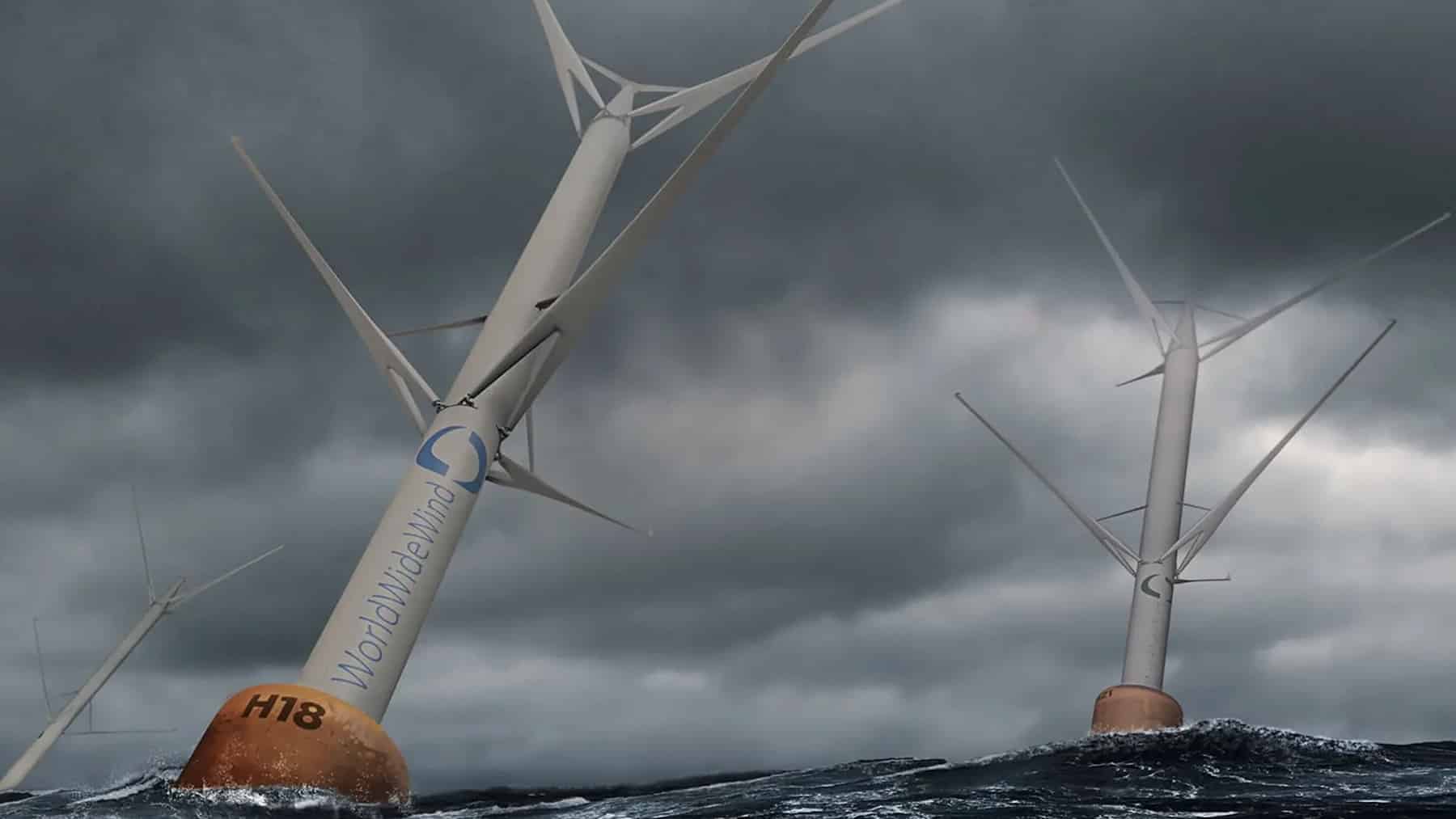
The idea behind Norwegian startup World Wide Wind (WWW) is a floating turbine with a counter-rotating vertical axis. Let’s see what this means: instead of relying on the traditional horizontal turbine, WWW has created a model that rotates around a vertical axis. With this change alone, the way turbines interact with the wind changes; they will become more efficient in certain conditions (like this innovative turbine that turns off photovoltaic energy) and, most importantly, it will be possible to build larger turbines with greater power generation capacity.
And what results, in terms of energy generation, can this new turbine bring us? Well, in one of the tests carried out by the company, they managed to generate 30 kW of energy. They still intend to increase the turbine’s capacity further: up to 40 MW. The startup also wants the floating turbine to reach 1,312 meters, allowing energy generation on a much larger scale, and potentially reducing the cost of offshore wind energy to less than US$ 50/MWh.
The upside-down turbine effect that will reduce costs
Now, what does this strange upside-down effect mean? Well, we’re talking about the counter-rotating rotation of the blades. In traditional turbines, the rotation of the rotor generates torque that can make the system less efficient, especially if the wind isn’t coming directly from the ideal direction. However, according to Loz Blain of New Atlas:
“Regardless of the wind direction, the floating twin wind turbine passively tilts to an optimal angle, and the two turbines begin to rotate in opposite directions, effectively doubling the speed at which the ‘rotor’ is rotating on the ‘stator’”
This will all result in a more compact and efficient turbine, as the design allows turbines to be packed more densely into a wind farm, which not only increases the power generation per square meter but also reduces the cost of electrical connection between turbines. Well, it seems that wind power is very close to being the key to a cleaner future, so it’s no wonder that another new development has emerged: a 6.5kW wind turbine that will allow you to have free and infinite energy in your garden.