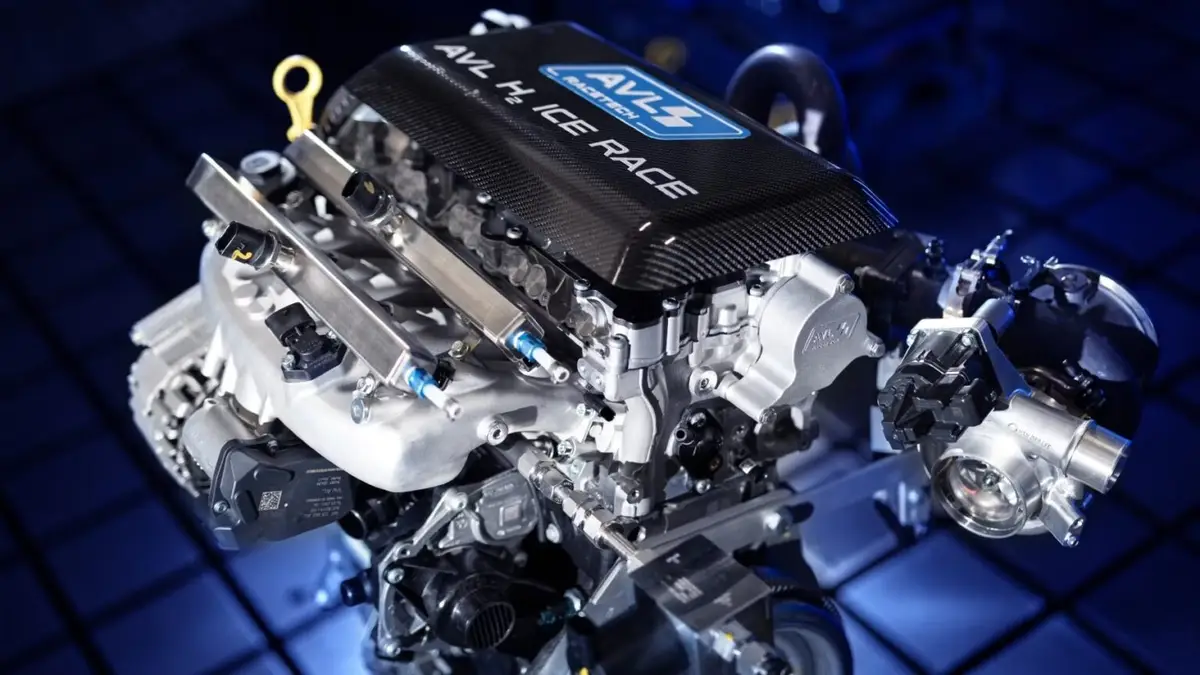
AVL develops a 400 hp hydrogen combustion engine

· 3 min read
Electric cars have hit the brakes across the U.S., with brands like Tesla sinking in sales figures. However, this situation has ceased to be a mystery since we learned about the new water engine, the first of its kind in history. You know what makes it special? Not only its 400 hp, but also that it is a more efficient option than hydrogen in any environment.
New water engine: EVs and conventional hydrogen will be soon replaced
AVL, an Austrian automotive engineering company, has developed an innovative hydrogen combustion engine that could revolutionize motorsports and transportation. Their 400 horsepower prototype engine can run on hydrogen fuel with zero CO2 emissions, providing performance comparable to tradicional ICE.
Unlike other hydrogen engines that run on fuel cells, AVL’s technology utilizes direct hydrogen injection into the combustion chamber. This allows the engine to operate much like a conventional petrol or diesel engine, but fueled by hydrogen. The technology builds upon AVL’s decades of experience in high-performance powertrain.
Early testing shows tremendous promise for racing applications. Motorsports provide an ideal testing ground for developing hydrogen engine technology that could eventually make its way to road cars. AVL’s hydrogen engine offers drivers the sound, emotion and excitement of combustion engines.
This breakthrough demonstrates that high-performance vehicles do not need to sacrifice driving experience in the transition to cleaner energy. AVL’s hydrogen engine technology could pave the way for the motorsport and automotive industries to reduce their carbon footprint dramatically.
AVL hydrogen engine, a new prototype arrives to change everything
The AVL hydrogen engine is based on internal combustion engine (ICE) technology, but with key differences compared to conventional gasoline or diesel engines. Whereas normal ICEs burn gasoline or diesel fuel, AVL’s engine burns hydrogen gas to generate power.

Hydrogen gas is injected into the combustion chamber, then compressed and ignited by a spark plug, just like in a gasoline engine. This combustion of hydrogen and air drives the pistons up and down to produce rotational power. The main byproduct emitted from the exhaust is water vapor rather than carbon dioxide.
There are challenges associated with burning pure hydrogen gas in an ICE. Hydrogen’s flammability range in air and the combustion speed are different than gasoline. This requires adaptations to the fuel injection system, ignition timing, combustion chamber design, and cooling systems compared to a conventional ICE.
AVL’s engineers optimized the hydrogen engine’s design for efficiency and power output. This includes running the engine at a higher compression ratio to take advantage of hydrogen’s faster burn rate. The prototype achieves a thermal efficiency over 50% – significantly higher than an equivalent gasoline engine.
400 hp and extended range: what to expect from this hydrogen engine
AVL’s prototype hydrogen combustion engine delivers 400 horsepower and was specifically designed and optimized to run on hydrogen fuel. The engine is based on a 2.0 liter 4-cylinder that has been modified to handle the unique properties of hydrogen combustion.
Some key details about the prototype:
-
It uses direct hydrogen injection into the cylinders for optimal combustion. This allows precise control of the hydrogen-air mixture.
-
The compression ratio was increased to 14:1, higher than a normal gasoline engine. This takes advantage of hydrogen’s higher autoignition temperature.
-
Dedicated engine control software was developed to account for hydrogen’s faster burning speed and wider flammability range compared to gasoline.
-
The cylinder head, pistons, valves and injectors were redesigned to withstand the higher temperatures and pressures of hydrogen combustion.
-
Lightweight materials like aluminum and titanium were used to offset the lower energy density of hydrogen fuel.
Overall, AVL’s 400hp prototype demonstrates the performance potential of hydrogen in an optimized internal combustion engine. It serves as a platform for further development and is a significant achievement in hydrogen engine technology.
A 400 hp hydrogen engine is not an invention we see every day, and it is certainly set to revolutionize the roads. In this sense, the only question that remains to be clarified is whether it will work as well in icy environments such as Alaska, where it is difficult to perform the combustion mechanism of this fuel. However, it already leaves electric cars far behind, no doubt about it.
Glossary for this story
- Electric vehicle
- A vehicle powered by one or more electric motors running on rechargeable batteries that are charged by plugging in.
- Carbon footprint
- The total amount of greenhouse gases released, directly or indirectly, by a person, company, product or activity, usually measured in tons of CO₂ equivalent.
- Energy density
- The amount of energy stored in a given volume or mass of a battery, fuel or other material. Higher energy density lets devices hold the same energy in a smaller, lighter package.
ECOnews Newsroom
Writer at ECOnewsA team of journalists specializing in socio-environmental news, sustainability, climate change, the environment, responsible consumption, and innovation. At EcoNews, we provide clear, reliable, and relevant coverage of the environmental and social challenges shaping our era.
More from ECOnews NewsroomComments · 0
Rules ›No comments yet. Be the first to share your view.