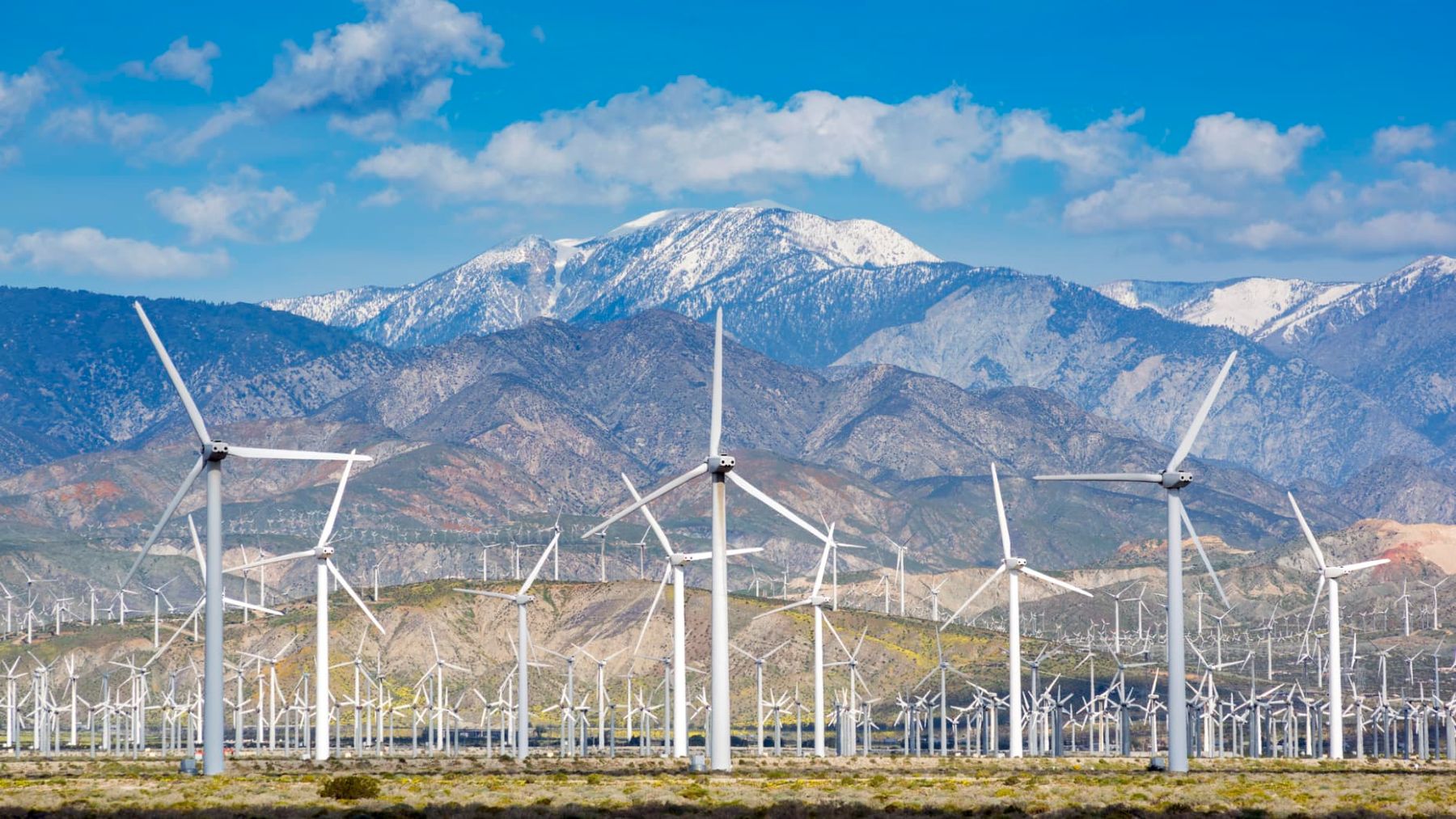
This global energy map in electricity production sees the United States losing photovoltaic reign to the reign in wind energy. Thanks to technological development and friendly policies, wind power has been established as one of the most promising RESs in the world. According to the US Department of Energy (DOE), wind energy alone can supply 500000 GWh of the grid in the next few years and change the perception of clean energy. According to Climate Central, the US produced 425,235 GHw of electricity from wind in 2023.
How wind energy is transforming the American energy landscape
The United States wind energy industry is in the midst of a transition fueled by new initiatives and big money. The DOE’s market reports for 2024 reveal that the wind industry is not only growing but desperately needed for clean energy across the country.
The Inflation Reduction Act (IRA) has been passed, contributing significantly to investment and deployment, and wind has secured over 10% of the country’s electricity mix. As we look to the future, investments in new capacity for 2023 reached $10.8 billion to continue solidifying wind energy as an essential part of America’s energy mix.
How robust policies are propelling wind energy investment in America
The robust policies in place are driving the wind energy sector’s development. Due to the IRA, near-term deployment expectations have increased by 30%, with an additional over 15GW projected by 2026 and close to 20 GW per year by 2030. A burgeoning domestic supply chain backs this growth, as 15 new or repurposed wind manufacturing sites have been created since the IRA’s enactment.
It is thus about creating employment, more than 125000 in the industry, and boosting economic growth in the other sectors, thus improving the standard of living of people in the region and supporting sustainable development.
The double advantage of onshore and offshore wind energy growth
Wind energy is still a growing source, expanding both onshore and offshore, making it a two-pronged avenue for future development. Last year, the US installed nearly 6,500 MW of onshore wind, bringing the cumulative installed capacity to almost 150,500 MW, enough to power 45 million American homes.
Iowa and South Dakota get over 59% and 55% of their electricity from wind. Offshore wind also boosted with 53% annual growth last year, taking the total pipeline capacity to more than 80000 MW. This development could potentially revolutionize the energy landscape and make offshore wind one of the ways of attaining a cleaner energy system.
New technologies are the driving force behind wind energy development. New advancements have caused the development of bigger and better wind turbines, and the average capacities increased by 23% in 2020. These enhancements allow turbines to capture more energy from the wind, producing cheaper electricity.
The positive externalities are also massive, with wind energy contributing positively to public health since it helps reduce emissions from fossil fuels that are dangerous to health. This commitment to research and development in this sector enables the sector to progress further and improve the efficiency and sustainable use of wind energy.
Looking Ahead: A Bright Future Powered by Wind
The future of wind power in the United States is bright, given the policy commitment and investment levels. The latest reports from the DOE indicate that wind energy will play a significant role in transforming the country’s energy systems to cleaner and more reliable power systems. With the shift from photovoltaic systems, the wind energy sector is well positioned to provide for the increasing demand for renewable energy.
The public is urged to subscribe to the Wind Energy Technologies Office’s e-newsletter, “Catch the Wind,” which lists developments and available opportunities in the wind energy sector.
In conclusion, even though solar energy has contributed significantly to the renewable energy environment in the United States, a new era dominated by wind power is being ushered in by shifting winds. With its 500000 GWh potential, wind energy is not only a realistic alternative but also a fundamental component of a future energy system that is both sustainable and commercially feasible. The potential of wind energy in the future seems limitless as we embrace this change.