Despite the early snowfall, one record-breaking generator continued to work, generating 6,100 MW of energy from water alone. Even though winter arrived early this year in Northern Manitoba and left chaos in its wake, the province’s hydroelectric network continued working. This observation was particularly great as the Manitoba Hydropower Dam was able to keep its turbines turning during the heavy storm. Since this province depends all too much on water, the endurance of the Manitoba Hydropower Dam is a sustainable triumph for Canada.
The value of understanding the Manitoba Hydropower legacy
Manitoba’s hydroelectric system has always been essential to Canada’s renewable energy plan. This hydroelectric system is able to generate quite a large percentage of the province’s electricity. When the October storm hit, it served as a test showing that even when power outages occur, affecting 1,000 citizens, power could be restored thanks to hydropower generation.
Although distribution lines suffered, the dam continued to be operational. After this unexpected test, engineers at Manitoba Hydropower confirmed that the output from the Northern generating stations was still at full capacity. Results show that 6,100 MW was generated from hydropower sources during this time.
Power line suffering from damage during early snowfall
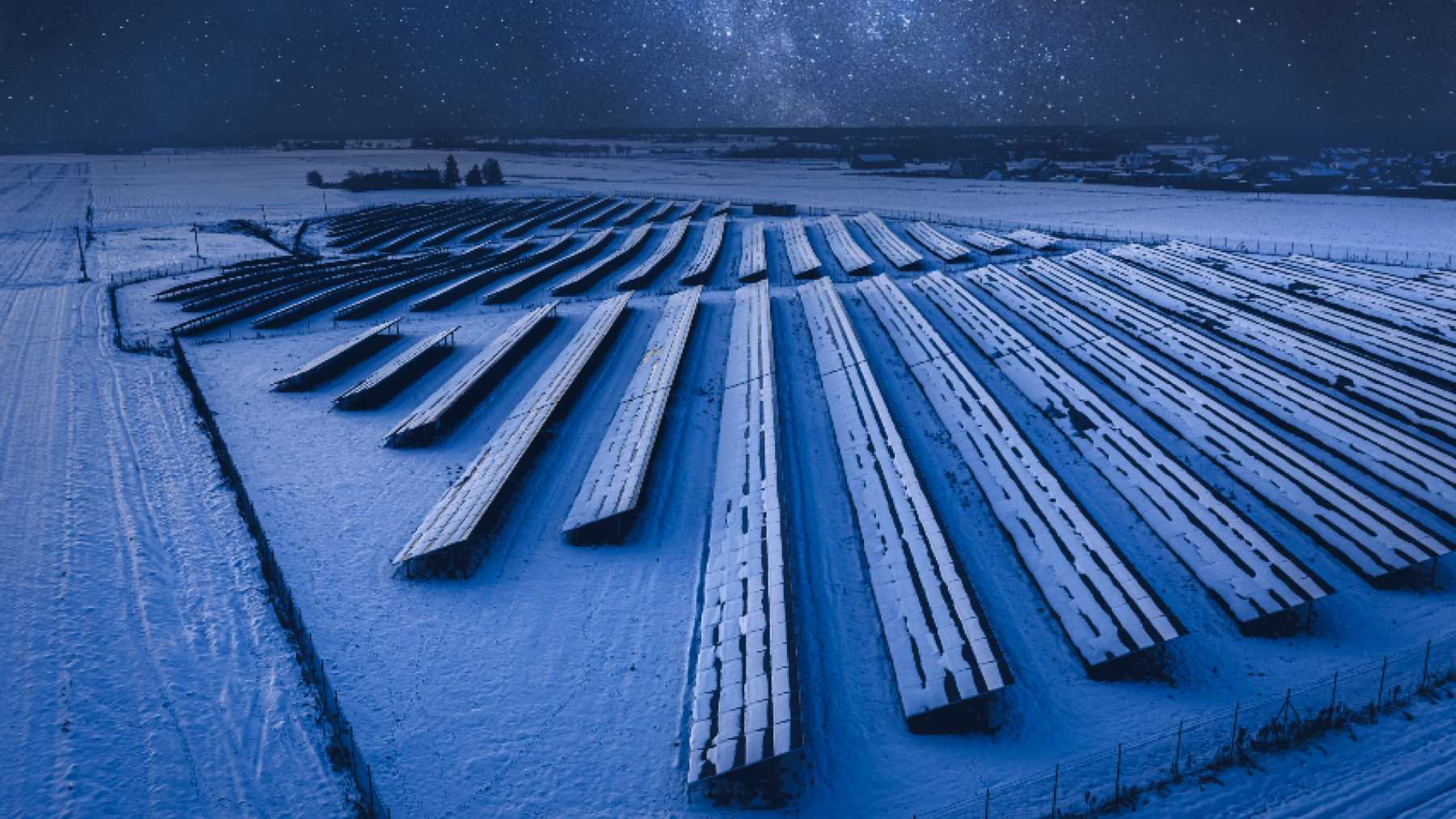
While hydro generation remained at its peak, it was the hydro lines that suffered because of the storm. These lines experienced much damage. The snow hugged onto the cables, with the strong winds causing the cables to snap, particularly in the Thompson region and Northern Interlake, which left homes and businesses without power.
The crew had to work all the time, making their way from one outage to the next. The repairs to such a large area were almost impossible. Nevertheless, the hydrosystem was rather resilient and strong, so much so that when the lines were restored, power returned almost instantly.
A solution provided by the Manitoba water-driven turbine
The early snowfall provoked discussions regarding grid modernization, especially for changing climate conditions. Thus far, insulated lines with high tension are being explored for the Manitoba hydrogenerator so that these lines will be able to handle wind as well as ice. Since the province’s main dam continued to operate during the early snowfall, the strengths and the weaknesses of the earliest renewable energy system became apparent.
Hydropower is inevitably part of the identity of Manitoba. Making sure that the Manitoba Dam is able to withstand all kinds of weather conditions is now of utmost importance. The river needs to continue lighting up homes, irrespective of what type of storm is hitting. With Canada’s constant improvement in hydropower generation, Canada has also discovered something beneath Niagara Falls, and this was one mystery that the country eagerly pursued for 40 years without a pause. Canada’s experience with harnessing power from underneath Niagara Falls for almost 40 years shows that the country is sustaining its legacy in terms of hydropower generation.
Northern Manitoba is a province powered by water
Despite winter’s early arrival in Northern Manitoba, the province is trying to return to normal by shoveling the heaps of snow. Amidst the snow and the storm, Manitoba’s Dam reflects sheer power. The hydroelectric network in the province should be able to continue operating, even when the lines snap and the trees fall to the ground.
While people did not have much to say in the wake of the storm in their province, the province’s river current continues to flow beneath frozen sheets of ice and continues to reveal the strength of the province’s hydropower story. The Manitoba Dam has a great story to tell that is almost as great as that of Canada’s missing energy being found in sewers, offering enough power to supply other countries.