Recent California legislation could lead to a hike in gas prices sooner than many Californians have bargained for. This, coupled with the loss of jobs wrought by the legislation, could make the Golden State, and its surrounding states that rely on it for fuel, even more expensive than it is today. How did we get here and what can be done?
The closing Los Angeles refinery and why it is so important
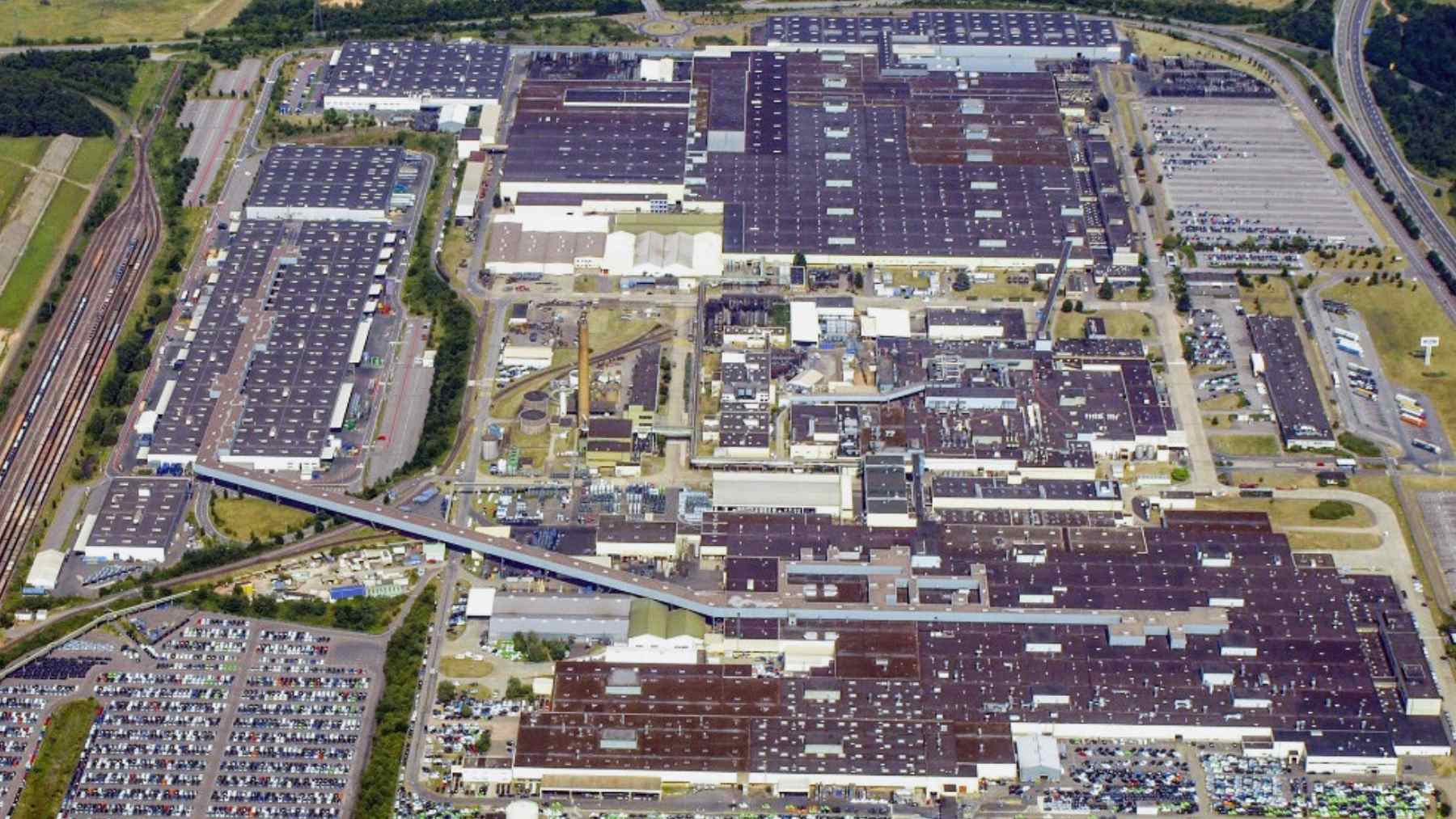
In October of 2024, the US multinational energy company Phillips 66 announced that it would cease operations at its Los Angeles refinery in Carson. The two facilities that make up the refinery were built in 1923 in Wilmington and Carson.
The facilities, connected by a pipeline, occupy key energy infrastructure. They are just 15 miles southeast of LAX airport, California’s primary and most well-known airport. The refinery processes crude oil into transportation fuels like gasoline, diesel and aviation fuel.
To be more specific, the refinery processes 165 million barrels of crude oil every day into 85 kb/d of gasoline and 65 kb/d of diesel and jet fuel. The refinery accounts for 8.57 % of California’s remaining refining capacity.
The closing of the refinery would lead to the immediate loss of 900 jobs in the area, and countless more as a result of increasing prices of living. The scarcity the closing of the refinery will cause will lead to an increase in the cost of travel by car, bus, or plane as well as the cost of food, rent, and services.
If the Los Angeles refinery is so important, why close it?
The decision to close the refinery could be placed within Phillips 66’s broader shift towards renewables. The company believes that its next chapter involves creating drop-in liquid fuels from solid biomass or solid waste streams, as well as renewable hydrogen and alternative high-octane fuel blend stocks.
The closing of the Los Angeles refinery falls within a recent pattern of the company closing its refineries. In 2023 the Rodeo refinery in the San Francisco Bay area was also closed in order to convert it into a Renewable Energy Complex.
The decision to close the Los Angeles refinery followed from California Governor Gavin Newsom’s signing of the ABX2-1 energy bill. The bill aims to prevent sudden shifts in gas prices. This comes as other states (like Maine which is making it easier to obtain a license in this way) are relaxing legislation.
Despite its good intentions, the bill is facing backlash for its regulation of the gas industry. The bill requires refiners to maintain minimum gas inventories and to develop a plan to prevent shortages during maintenance outages. This would increase the cost to the manufacturer processing crude oil.
Repercussions for California and the states surrounding it
The refineries found in California supply refined oil to California itself and much of Arizona and Nevada. The closing of the Los Angeles refinery could have devastating repercussions for the economies of both the state of California and the states surrounding it.
The legislation has the potential to upend regional business and trade. The projected effects of the closure are so severe that Arizona Governor Katie Hobbs and Nevada Governor Joe Lombardo banded together, practically begging Newsom not to sign the bill.
Though the legislation is designed to reduce the cost to the consumer, California legislators have cautioned that it will be the consumer who in fact bears the brunt of the price hikes that result from the legislation. Eggs are likely to become even more unaffordable.
What are we to do in the face of this new legislation?
It is important to remember that although the bill has been signed, it is highly contested and wildly unpopular. As legislators try to deal with the aftermath of the bill, the burden will unfortunately fall on the consumers for whom life will become more expensive. All that can be done now is hope that our reliance of oil can be replaced by something else, like hydrogen in this innovative engine.