After Toyota’s devastating failure, China is threatening its commercial rivals with its first hydrogen engine. The Asian country is taking important steps in the field of mobility, building the world’s longest bridges and railway networks that amaze the whole world. In this context, public and private companies in the Asian giant have begun to focus their attention on the automotive field.
In the past, Chinese vehicles were intended only for the domestic market, but over time they have become true gems enjoyed globally. After winning several battles, China is poised to conquer the war by dominating the hydrogen market. As the strategies of different nations move towards carbon neutrality, hydrogen is emerging more and more as one of the most important ways to achieve that balance.
The renewable hydrogen industry is becoming a determining factor in climate change mitigation, becoming a viable alternative to polluting fossil fuels. It is a scenario that China is taking advantage of to launch its hydrogen model. It is unexpected in every way, as no one saw the way it works coming.
China makes an impact with its first hydrogen engine: no one expected this performance
China is going for the hydrogen engine and has a plan to dominate what many are calling the “fuel of the future.” A study by Tianjin University professor Jiao Kui has brought to light hydrogen-based fuel cells that are clean, efficient and capable of running with multiple benefits.
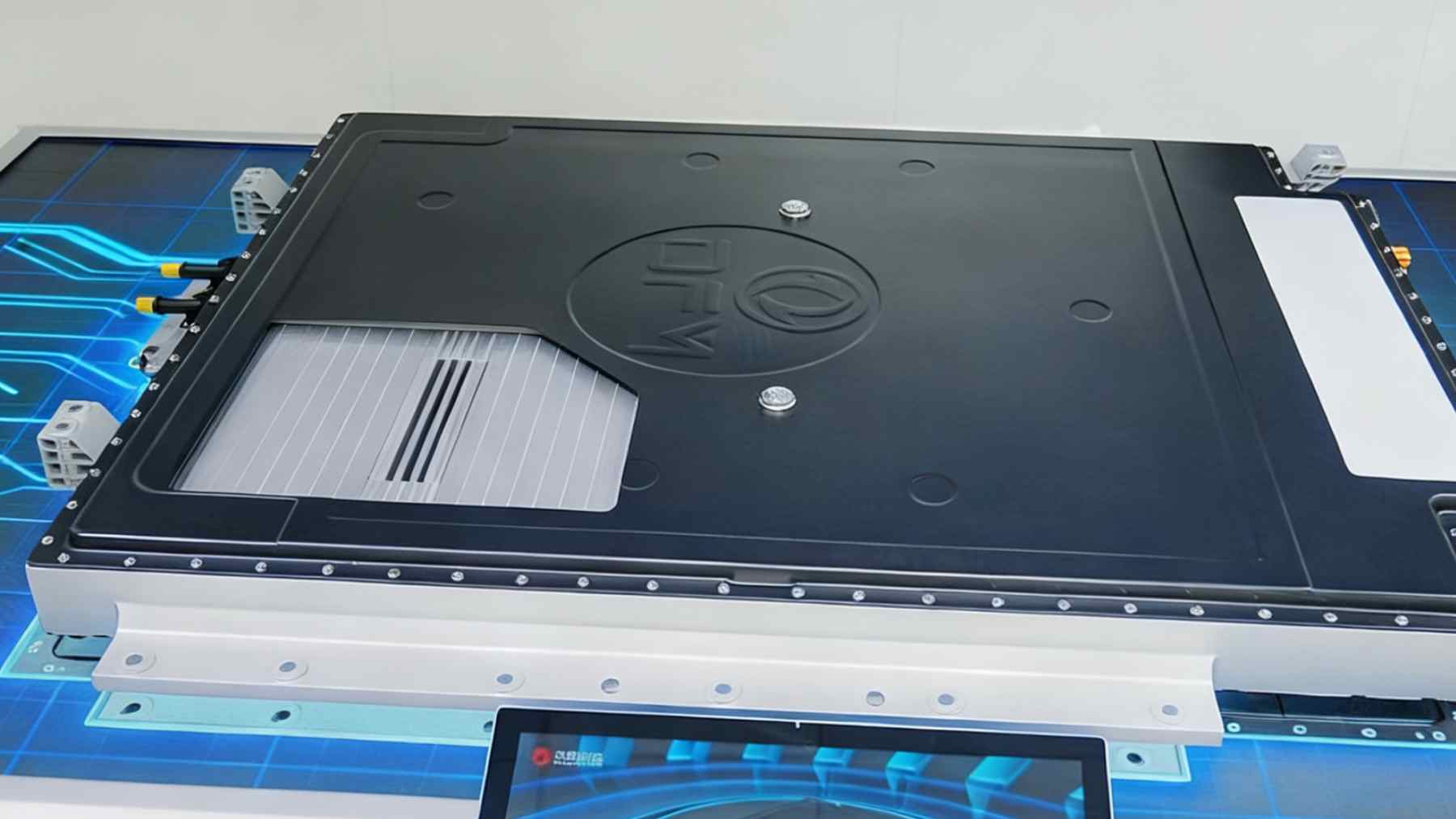
The fuel cell they have come up with is highly efficient and has optimal performance for transferring heat between gas and water. In this way, it produces electricity in a small cell with a very high density. This is largely due to the decrease in mass transfer losses thanks to the new technologies that were applied in the fuel cell.
Despite having a high density, one of the main challenges that this technology should meet is to increase the volumetric power density, an aspect that so far is the main problem that will have to beat to be really functional when incorporated into a vehicle.
The mere fact that China is taking action in this case marks a before and after in the Asian country. With the redesign of the membrane and the fuel cell, it has been possible to optimize the way the hydrogen is transported and how it works. In addition, it is a very thin stack, as it is particularly dense, but that would contribute to change the way in which the available space in the car is conceived today.
China bets on hydrogen engine
China wants to dominate the hydrogen sector, a decision that shows its fervent commitment to a sustainable and logical shift to other technologies that are less damaging to the environment. Care for the lathe and the fight against the environment have become fundamental pillars of its agenda both internally and externally.
In conversation with Prensa Latina, the director of China’s Academy of Carbon Emission Registration and Settlement, Zhu Guohui, said that the responsibility the Asian giant is taking with the environment lays a crucial foundation for global sustainable development.
“Fossil energy consumption in our country has been very high, especially raw coal; however, in recent years this declined rapidly, while there were remarkable advances in wind power, photovoltaics and even nuclear power,” he noted.
China is betting on the first hydrogen engine and is aligned with global environmental goals, as is Korea and its new hydrogen engine presented by the Hyundai brand.