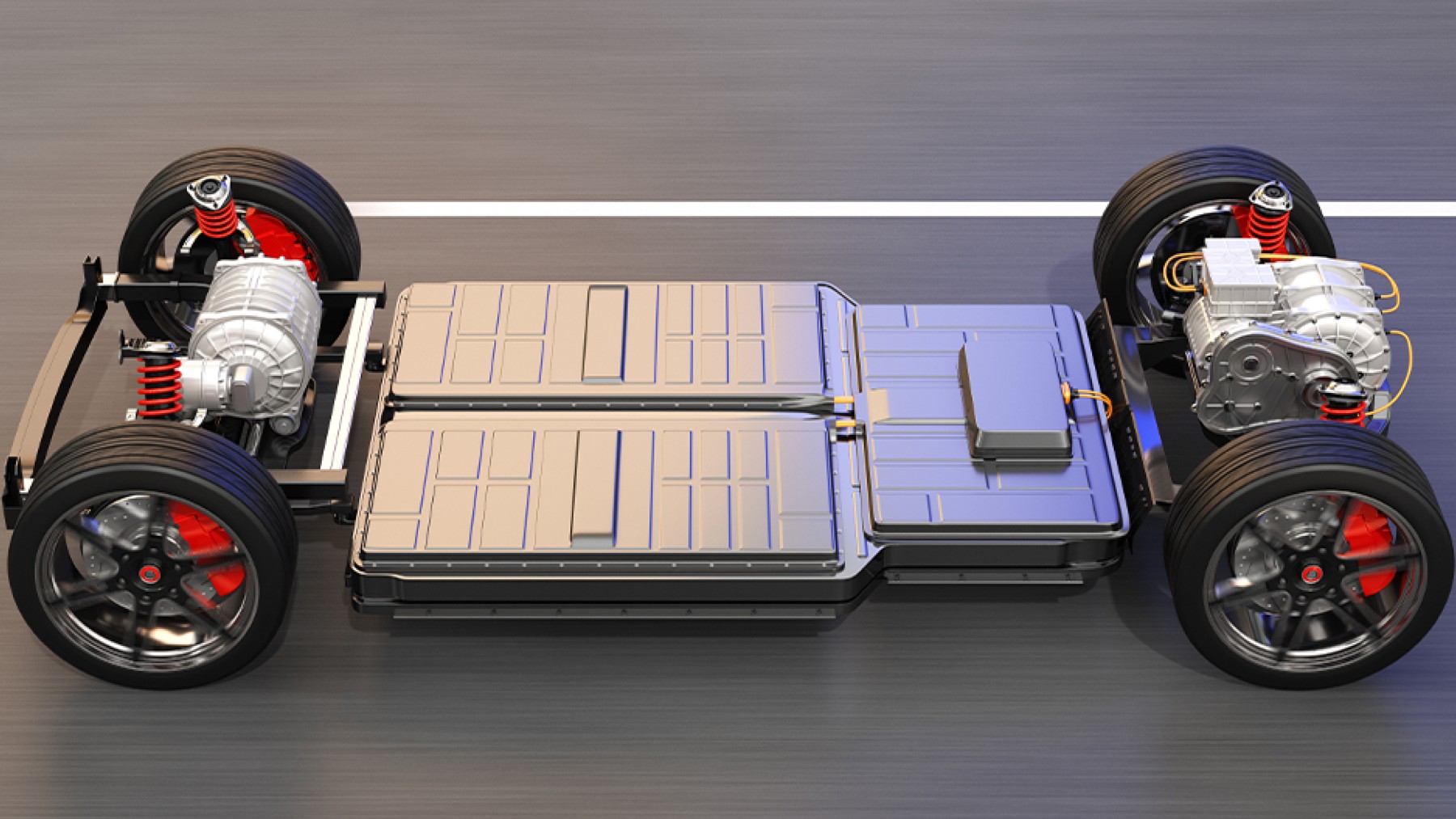
Rimac stands out as a leader in the emerging market. The company is exploring a groundbreaking concept that could revolutionize how we power our vehicles: The one I want you to imagine a bit involves generating electricity through using nanotubes to burn liquids.
This pioneering technology, which is yet to be fully developed, could offer an avenue for overcoming the drawbacks of battery-electric powertrains on conventional EVs as the automotive industry prepares to transition to the new generation of performance, efficient, and environmentally friendly automobiles.
Nanotubes: The Future of Power Generation
The potential use of nanotubes as wires for transmitting electricity seems a long shot. Carbon-based tubes, similar to the construction of pencils, possess properties that make them efficient in energy aspects such as conversion. Rimac’s vision is to paint these nanotubes in a very thin layer of superheated liquid fuel to create an electric current through the variation in such thin film’s electrical conductivity with nanotubes.
It could revolutionize EV power storage by replacing the current large and heavy battery packs used in today’s cars, producing lighter and more efficient vehicles, and dramatically improving charging.
Breaking the Battery Mold: A Revolution in EV Power Storage
The nanotube-based system can also be a potential candidate for efficient thermal management, a key issue in modern high-performance electric vehicles racing at high speeds.
In the same respect, nanotubes present higher strength and conductivity that would lead to a better and enhanced way of transferring energy, thus improving the general performance and efficiency of electricity-powered, nanotube-run electric vehicles.
Fuel Flexibility: Paving the Way for a New Fueling Infrastructure
Another major benefit of Rimac’s nanotube technology is that it is not rigid with its fuel choice. The company has looked at numerous forms of liquid fuels, such as liquefied petroleum gas, hydrogen, and even diesel. It may enable this new technology to take advantage of perhaps only a portion of this fueling infrastructure already in place, saving on the costs of building a new infrastructural network to support this new technology.
Moreover, some fuels, such as hydrogen, provide much higher energy density than batteries, which might mean more driving distances and fewer refueling stops.
Unleashing Performance and Efficiency with Nanotube Technology
Such flexibility in the choice of fuel might be especially valuable in managing range anxiety and responding to fuel availability and distribution systems in the regions. Rimac’s main reason for pursuing nanotube technology is to improve the performance of its electric hypercars.
Supercapacitor technologies based on nanotubes could be significantly smaller than current battery packs, optimize power-to-weight ratios, and enable never-seen-before velocities and acceleration. Also, the technology provides more efficiency than conventional gasoline engines, with predictions of up to 80% of fuel efficiency.
Nevertheless, the environmental effects will vary depending on the type of fuel used and renewable options such as hydrogen and biofuels, which are more environmentally friendly. Using renewable fuels would have resulted in a much lower CO2 emission than gasoline in a bid to ensure zero-emission by the industry.
A New Era in Electric Mobility: Rimac’s Vision for the Future
Electric mobility remains Rimac’s core business focus, and the key development of the liquid-fueled nanotube technology marks a great advancement in electric vehicles. Potential improvements in performance and efficiency that this could bring to traditional battery-electric vehicle solutions, along with the settlement of some of the key limitations of battery-based solutions, may completely redefine automobile manufacturing.
Despite these obstacles, Rimac has not left the idea of electric cars for startups only; he has an electric car project with another unnamed startup, and ongoing research and development consequently make this dream a reality even closer.
As the world shifts its attention to improving transport with efficient and environmentally friendly means, rimac’s nanotube technology may open the world to a new horizon of higher performance, efficient, and environmentally friendly vehicles than ever imagined in the EV industry.
Yet, this bold strategy is a testament to Rimac’s continued focus on developing new technologies and audacious visions for the future of transportation.