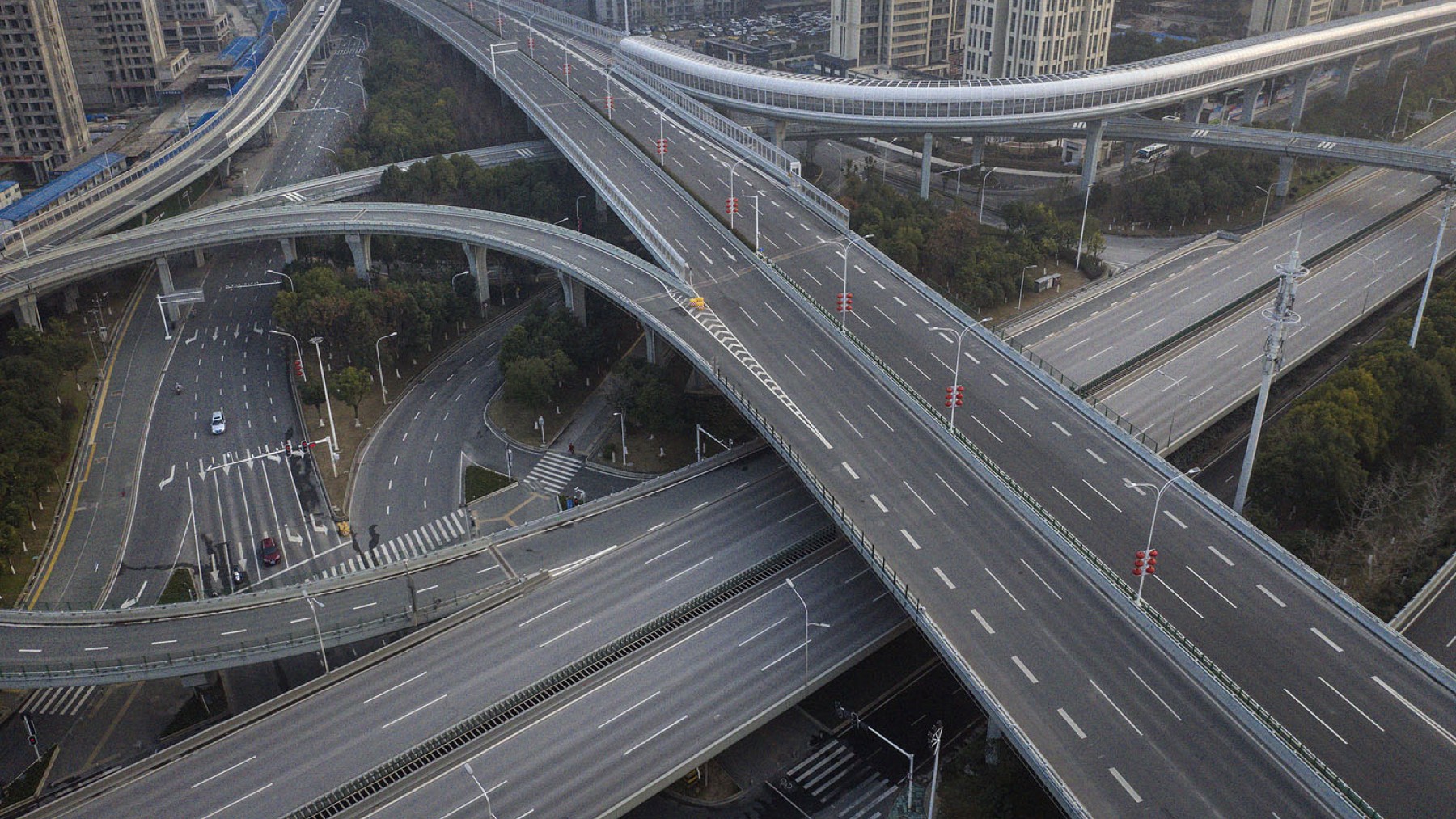
Low-emission zones are a growing trend in Europe, and in America we have not yet implemented them in more than a few states. However, there is one city that has gone much further and is leaving experts in shock. Their latest proposal directly beats EVs and FCEVs, which have been crippled and cannot circulate with the first 100% transport ban. Do you know what it is? Imagine how citizens get around now that the roads are completely empty.
Historic transport ban in this city: 100 % of cars, out of the roads for this controversial reason
On a grand scale, to combat air pollution and congestion, the Norwegian capital Oslo has decided that no private cars, full-stop, including electric vehicles and even hydrogen fuel cell electric vehicles, will be allowed into the city centre of Oslo. This decision remains rather disputable, and the reactions vary from approval to severe condemnation.
Oslo, for instance, developed a transport ban in 2017 that limits the usage of personal cars in a particular area of the city center. This also entails including gasoline and diesel automotive vehicles and the FEVs and BEVs that were earlier excluded from such measures. The objective of this policy is to protect pedestrians, cyclists and PT users and to turn the city centre into a car-free zone.
100 % transport ban’s reactions: What citizens think about this measure
There is robust response towards the implementation of the Oslo transport ban. Advocates of the measure claim that it is important to address the problems of smog, noise and congestion in order to make cities more pleasant and facilitating walking. They refer to the positive results of similar campaigns in other European countries, for example, in Madrid and Paris.
America could do the same: These cities are trying to approve a 100 % transport ban
Although the transport ban in Oslo is one of the first, similar measures have been explored in other cities as well. Many of the cities in the United States have indicated their interest in adopting car-free zones or banning private cars in city centers. But, could it be a good idea to put EVs and FCEVs out of our roads?
- A good example is New York City, where some parts of the city, particularly Times Square, have been tried as car-free areas. The city has also suggested a plan to increase these areas and congestion pricing to remove private cars from traffic.
- Other cities in the United States have also followed the same example and are keen on ensuring that pedestrians, cyclists, and public transport are given priority over private automobiles, for example San Francisco and Seattle.
However, the application of such measures in the U.S. has had its own problems concerning the effects of the policies on the poor, enforcements of the effects, and perhaps the desire to see such radical decisions through. The transport ban applied in Oslo has been effective, hence encouraging many cities in the USA to look for the same solutions.
An analysis of the Oslo transport ban is enough to know the potential that this measure can have. Who would have imagined that EVs and FCEVs would run out of room, now that measures are being taken to incentivize their purchase? The truth is that the Nordic countries are going much further in sustainable mobility, as was also the case with Denmark, which approved a similar measure, albeit of a temporary nature, but with an even more ambitious scope.