Geothermal energy, a neglected renewable resource, is on the verge of a revolution which might alter the landscape of international energy. Thanks to the latest progresses in Enhanced Geothermal Systems (EGS), which employs fracking technology, geothermal energy may soon be a conventional power supply.
Transforming geothermal: Developed systems expose energy everywhere
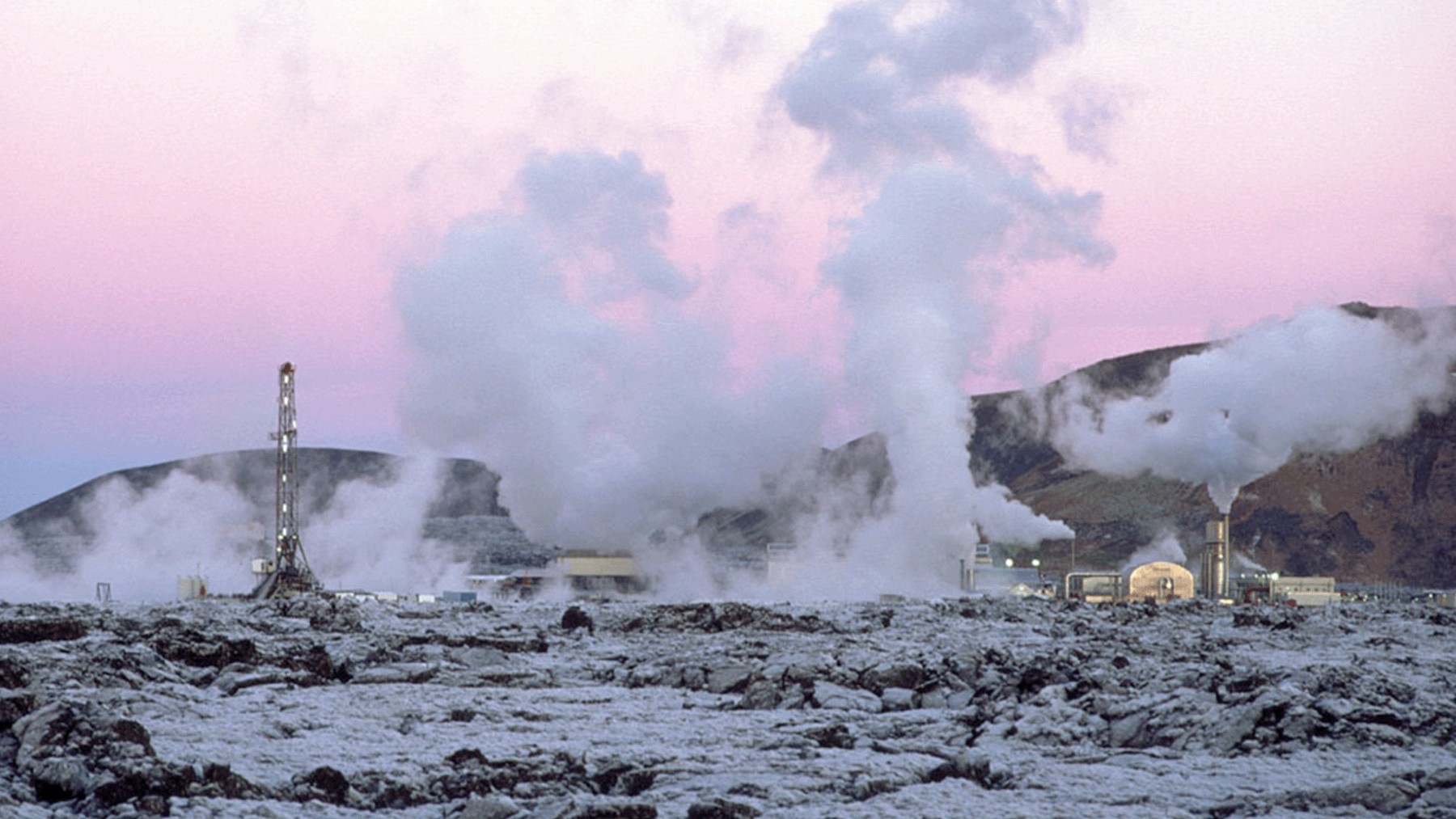
Enhanced Geothermal Systems utilizes the natural heat of the Earth, making it viable to produce electricity from geothermic energy nearly everywhere. Conventionally, geothermal energy has depended on natural heated springs found in areas such as Iceland, who contributes around 25% of their energy from geothermic sources.
But just 0.5% of international renewable energy is derived from geothermal sources because of the geographical restraints of traditional approaches. EGS transforms the game by utilizing hydraulic fracturing methods parallel to those utilized in the oil as well as gas industry to establish artificial water bodies in hot rock developments deep underground.
In an EGS, water is injected into hot rock layers heating them to temperatures surpassing 200°C. This heated water is then directed to the exterior through an alternative well, where it can be utilized to produce electricity through turbines. The flexibility of the technology proposes that geothermic energy could possibly be utilized in a significantly broader range of sites more than ever.
Earth’s heat utilized: Geothermal energy might accomplish profitable viability by 2050
The possibility of EGS is massive. As indicated by the US Department of Energy (DOE), geothermal energy might power up to 260 million houses across the US by 2050. Not only does the renewable energy source offer a dependable stable power supply however it does so with carbon-neutral emissions, positioning it as a robust option to nuclear energy. Some specialists dispute that EGS might even surpass nuclear energy regarding production while sustaining security as well as sustainability.
The quick increase of the geothermal division is being driven by substantial public as well as private funds. The DOE approximates that with merely $25 billion in financing, the geothermal sector can accomplish commercial feasibility by mid-century.
Lately, a grouping in Houston unified large oil businesses, tech startups, researchers, as well as weather advocates to deliberate how the competences as well as technologies advanced in the both the oil along with the gas subdivision might be modified for geothermal energy. This partnership signifies a large shift in how geothermal resources are viewed.
Defeating hurdles: EGS Technology challenges extreme prices and conservational worries
Regardless of the thrilling opportunities of EGS, the way forward still faces challenges. Drilling deep underground, often numerous miles under the exterior, is expensive as well as technically difficult. Furthermore, there are ecological worries, including the danger of triggering small earthquakes together with water supply management concerns, predominantly in dry zones where water rarity is at present a worry.
Nonetheless, revolutions in technology along with operative tactics are assisting to alleviate these difficulties. Studies show that EGS locations can operate adaptably, letting operators adapt water injections together with releases established on necessity. This ability transforms geothermal locations into energy storage approaches which can offset the generation flexibility of both solar as well as wind energy.
The advance of Enhanced Geothermal Systems signifies a substantial step to revealing the complete potential of geothermal energy. With constant financing, study, as well as revolution, geothermic energy might surface as a foundation of an ecological energy future, powering houses together with businesses whilst decreasing carbon footprint. Geothermal energy’s journey has only just started, and its possibility is massive, making it a thrilling realm to watch out for in the future.