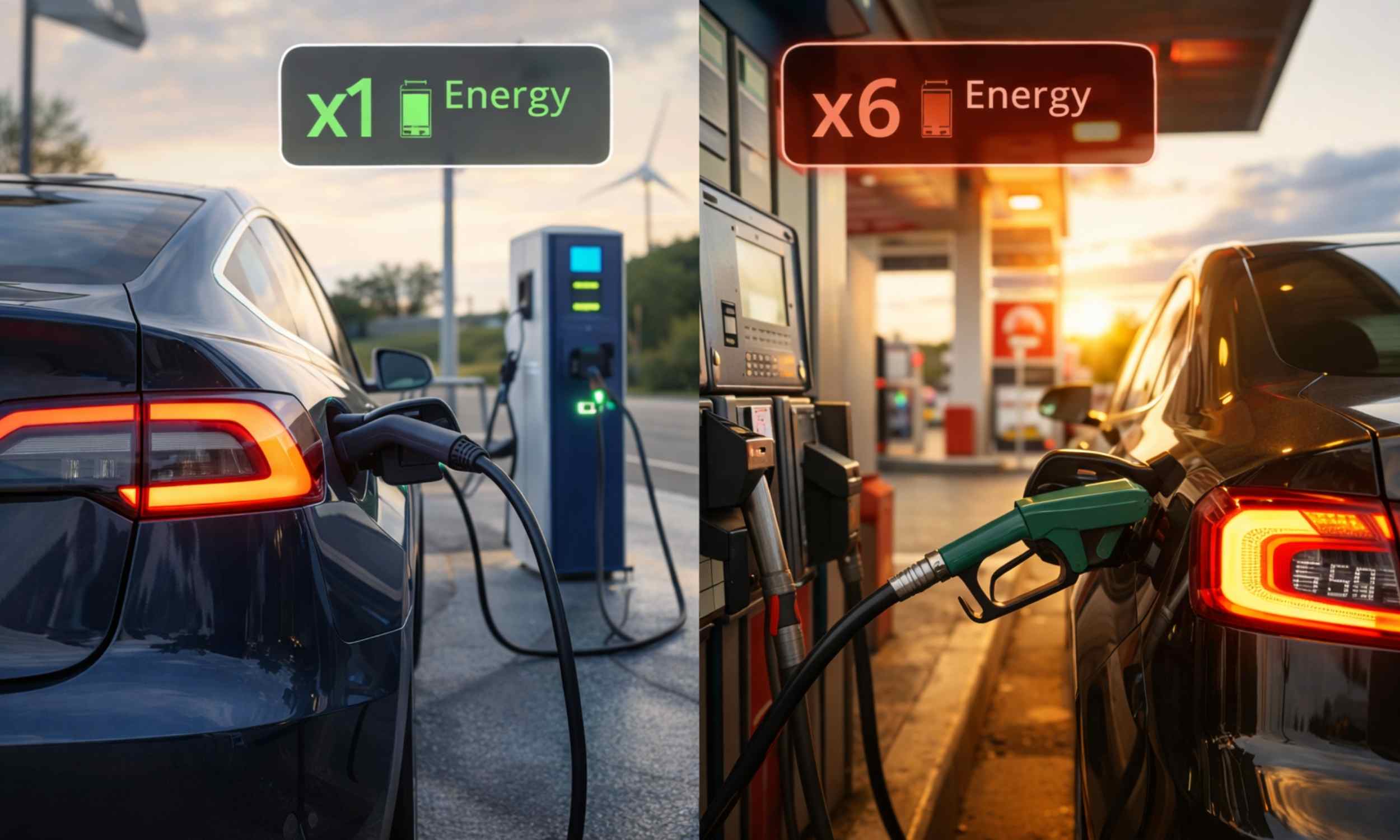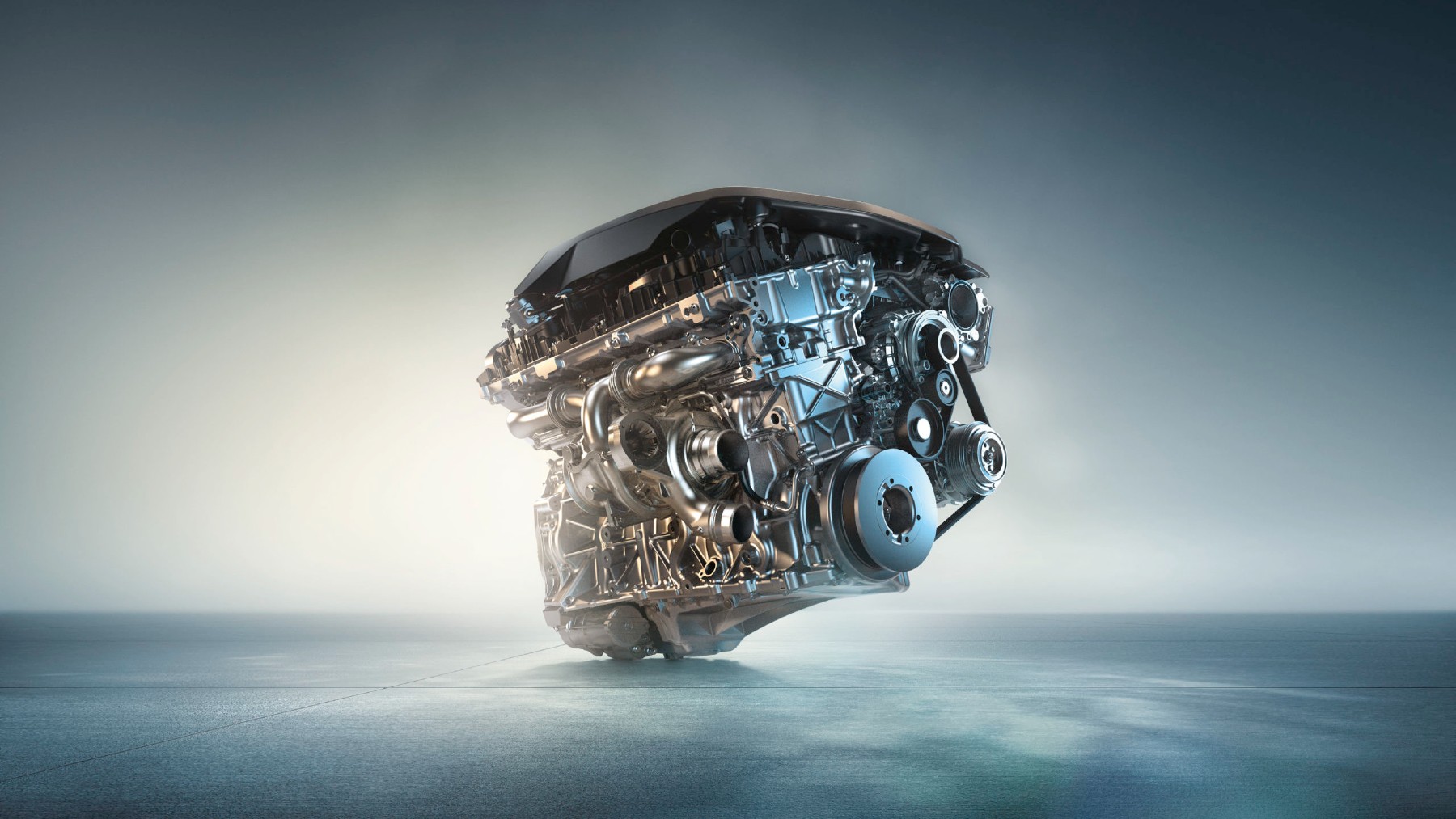
BMW is increasingly shifting its focus toward hydrogen fuel cell technology as an alternative to traditional electric vehicles. While the automotive industry has widely embraced electric vehicles in recent years, BMW (and other automobile companies) believe hydrogen has significant potential, especially for larger vehicles and long-distance travel. With the development of hydrogen engines, BMW aims to combine the environmental benefits of zero-emission driving with faster refueling times and longer ranges to offer a promising solution for the future of sustainable transportation.
The advantages of hydrogen engines
Hydrogen engines offer several key benefits for sustainable transportation. One of the most notable advantages is their ability to produce zero emissions. Their only byproduct is water vapor, making them an environmentally friendly alternative to traditional internal combustion engines. Hydrogen fuel cells also provide faster refueling times compared to electric vehicles which typically require longer charging periods.
Additionally, hydrogen-powered vehicles generally have a longer range than most battery electric vehicles, making them ideal for long-distance travel and heavy-duty applications like trucks and buses. As the infrastructure for hydrogen refueling stations expands, these vehicles could become a viable solution for reducing carbon emissions and complementing electric vehicles in a future, sustainable transportation ecosystem.
BMW embraces hydrogen
BMW has been developing their hydrogen energy solutions for over 45 years. In 1979, BMW, in collaboration with the German Aerospace Centre (DLR), converted a 1975 BMW 520/4 into a test vehicle. While it looked identical to the petrol-powered versions, its four-cylinder engine ran on hydrogen instead of gasoline. This marked an early demonstration that using hydrogen in a combustion engine was technically feasible as well as the start of BMW’s hydrogen journey.
In an important update for BMW, the first BMW series vehicle with a hydrogen drive will be on the road from 2028. This means that BMW’s drive portfolio will soon include five variants—electric, plug-in hybrid, petrol, diesel, and hydrogen—marking a significant milestone and demonstrating the company’s openness to technological innovation and increasing their green energy solutions .
While BMW may only be releasing their first commercial hydrogen vehicle in 2028, the fuel has been used in other operations within the company. In 2013, Germany’s first indoor hydrogen refueling station was established at the Leipzig site, where forklift trucks and tugger trains used for intralogistics are refueled. Over a decade later, the Leipzig factory boasts the largest fleet of fuel cell-powered industrial trucks in Germany with more than 130 vehicles.
The facility features five hydrogen refueling stations for intralogistics including the latest station, which enables fully automated refueling. Additionally, the Leipzig factory is the first automotive plant globally to pilot a new burner technology in its paint shop which allows green hydrogen to be used alongside natural gas.
Hydrogen vehicles are set to complement electric vehicles
Hydrogen vehicles are emerging as a complementary alternative to electric vehicles in the push toward sustainable transportation. While electric vehicles have gained significant traction due to advancements in battery technology and infrastructure, hydrogen powered vehicles offer unique advantages in terms of fast refueling times and longer driving ranges.
Companies like Toyota have been at the forefront of hydrogen technology development, with models like the Toyota Mirai leading the way in the commercial adoption of fuel cell vehicles. Hydrogen vehicles could be especially beneficial for heavy-duty transportation and long-distance travel where the limitations of battery electric vehicles, such as longer charging times and range anxiety, become more apparent. As both electric and hydrogen technologies continue to evolve, they are poised to work in tandem to provide a diverse and efficient range of solutions for reducing emissions and advancing global sustainability efforts. The largest challenge facing automobile companies will be scaling-up infrastructure to support this technology.