In 1972, a remarkable discovery in Oklo, Gabon, shocked the scientific world: a natural nuclear reactor is estimated to be 2 billion years old. Before people designed today’s nuclear power, nature developed a sustained fission chain reaction in a world carefully designed. This site, which is distinct from modern natural ones, helps foreigners discover the fascinating and mysterious history of our planet.
This is what physicists uncovered in Gabon’s uranium deposits
Thus the discovery started when physicists in France realized there was something strange in uranium samples mined at Oklo. Normally, natural uranium has 0.72% of the uranium-235 (U-235) isotope, which is sought in the nuclear fission process. However, the Oklo samples possessed a slightly lower isotopic concentration, equal to 0.717%. Although quite subtle, this difference meant something of a revolution to them.
For this to happen, specific conditions were needed. The concentration of U-235 in natural uranium resembled 3 per cent two billion years ago as it decays much faster than uranium-238. Finally, water plays the role of neutron moderator to slow them and control the chain reaction in groundwater. So, the deposits of uranium, water supply and geology produced a natural reactor which functioned for several thousand years occasionally.
How this ancient reactor self-regulated for millennia in Oklo
Like many current light water reactors, the Okel operation was also a steady-state chain reactor. The neutrons were slowed by pouring water onto the uranium deposits, causing fission. It has to be heated before the water reacts with the sulfur trioxide to form sulfuric acid; that is, as the water was being heated, it vaporized, and the reaction stopped. The area was repeatedly flooded, then evaporated when the area became cold, and water returned back to the area. This self-regulating process went on for millennia.
The uranium deposits were big enough and concentrated in enough numbers to form a critical mass. All other analogue potential natural reactors might have been rapidly eroded or subducted, but Gabon’s specific geology has preserved this phenomenon. The reactor has to stop its operations: this occurred naturally after the reactor could not process fission anymore, or in other words, after using up the U-235.
Essentially, this discovery drew attention to the possible existence of ancient reactors and provided evidence which showed how nature can form intricate systems akin to the superior technology available to man. It is truly great to know that the forces of the Earth possess such amazing dynamics throughout the planet’s history.
This ancient marvel could revolutionize nuclear waste disposal
The Oklo discovery has deep philosophical significance. First, as the source of sustained nuclear fission, it provides information about how such processes occur independently of human interference. This has greatly assisted in streamlining models of nuclear reactions and leading to improved enhanced reactor safety.
Furthermore, this site has also been analyzed regarding its potential role in nuclear waste disposal. Yet, after billions of years of radioactive decay, the fission products from the Oklo reactor did not disseminate from the deposits. By learning from this natural example of radioactive containment, lessons can be drawn from guidelines for handling and disposal of modern nuclear wastes.
This ancient marvel could revolutionize nuclear waste disposal
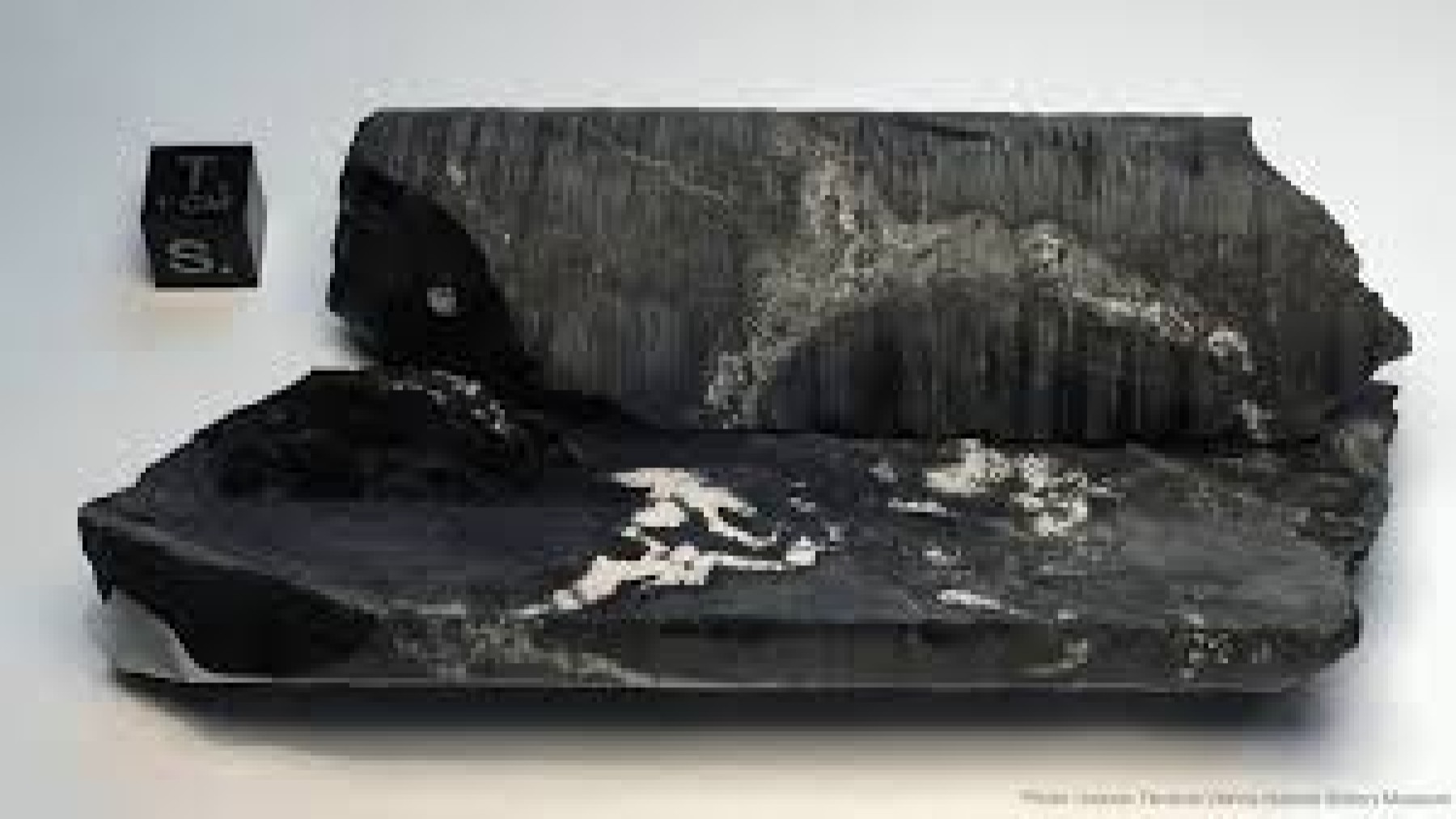
Today, this one from the Oklo reactor stands in museums and is being analyzed by scientists worldwide. For example, the Natural History Museum in Vienna has established pieces of the ancient reactor and offers the people the possibility to contemplate this wonder. Most of these samples contain low levels of radioactivity, and with the right precautions, the specimens can be easily handled – and represent pieces of Earth from millions of years back.
Natural occurrences present a powerful case in point through the Oklo series natural reactor. Researchers have confirmed that billions and billions of years ago, the earth formed a nuclear reactor in an environment so accurate that it rivals human constructs. This discovery not only vastly changed our knowledge of nuclear fission but also made people realise the true power of nature.