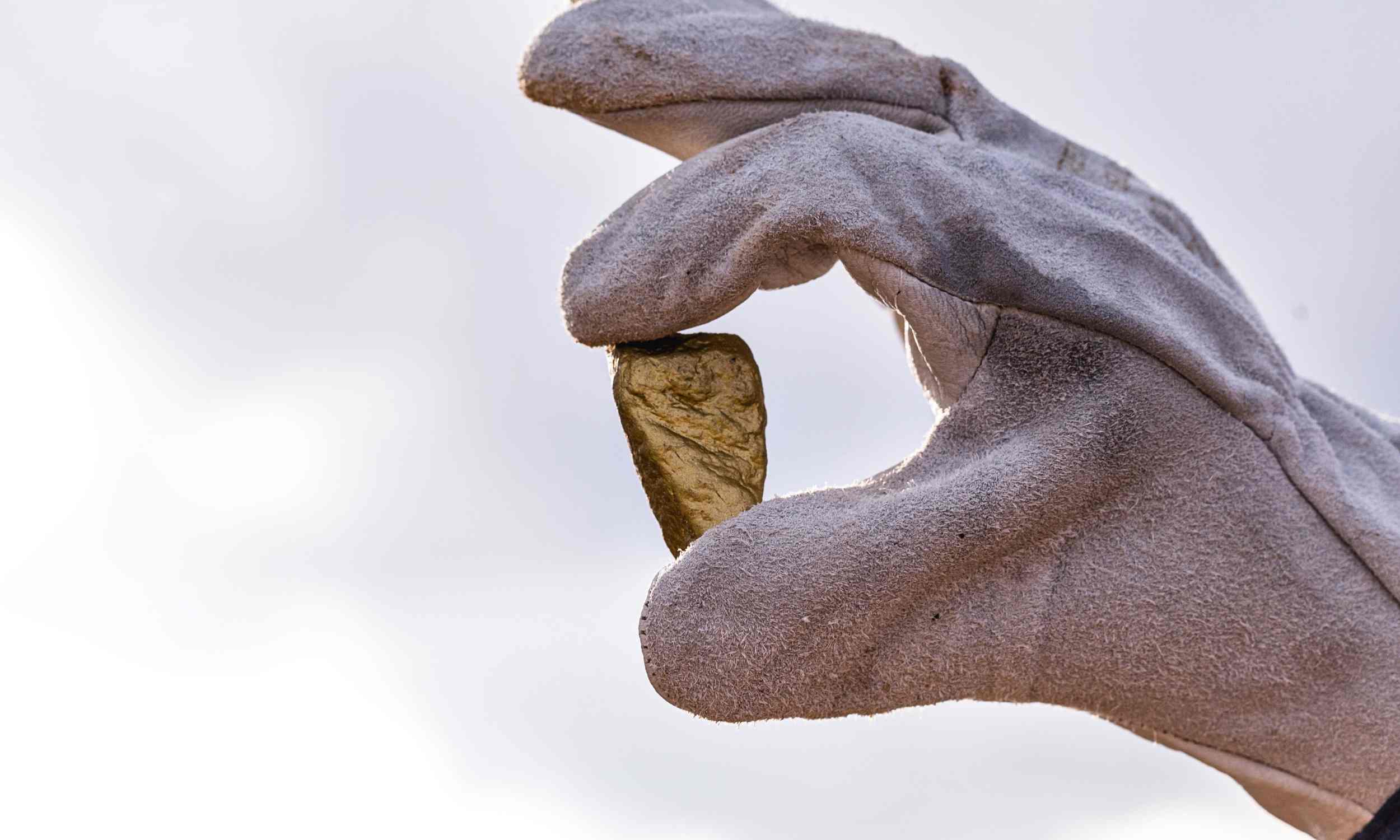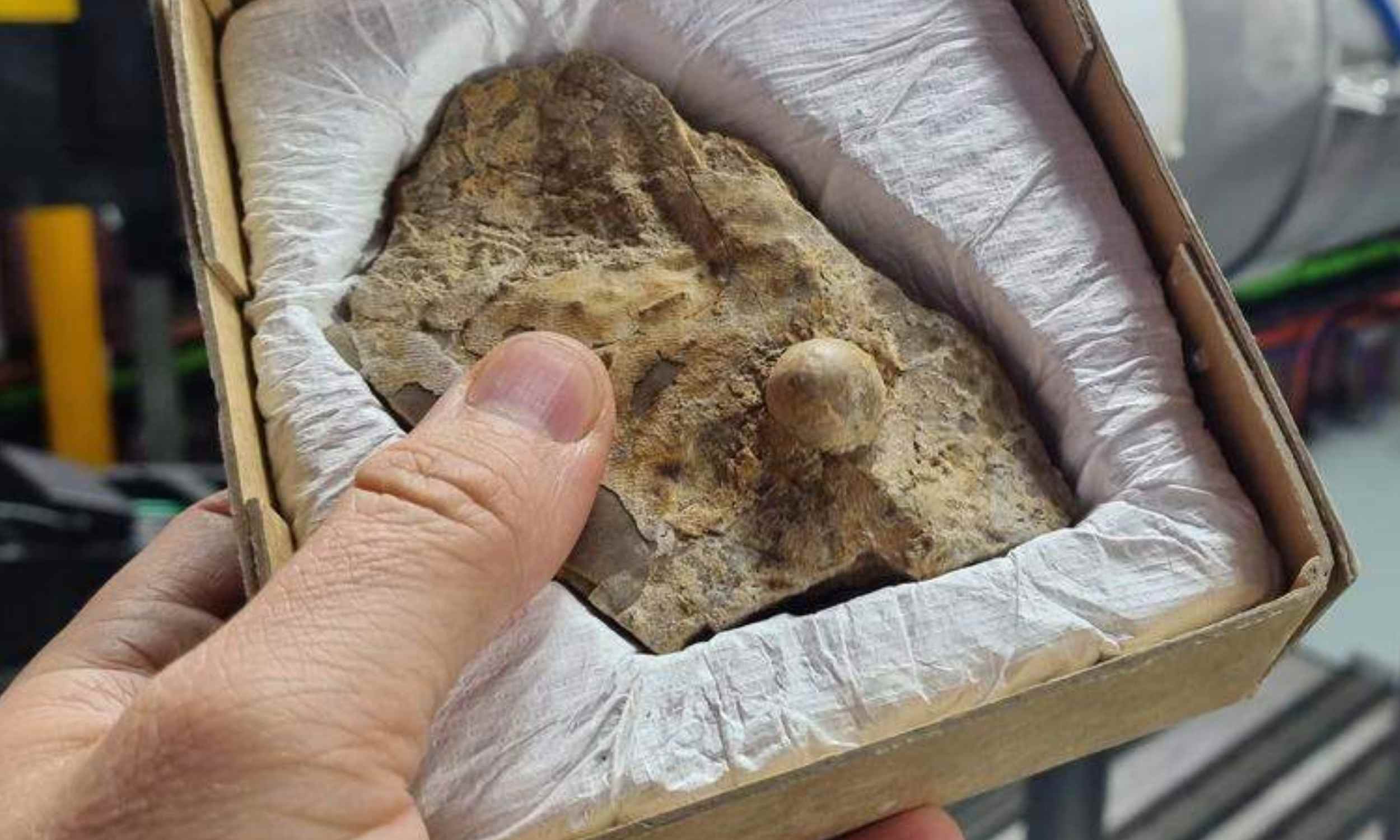
A fossil pearl slightly bigger than a marble has been verified as more than 100 million years old in Richmond, Queensland. Researchers say it is the largest fossil pearl of its age confirmed in Australia and unusually well preserved. At nearly 2 centimeters across, it is a rare record of how an ancient animal responded to stress inside its shell, and it opens a window onto an inland sea that no longer exists.
How does a pearl end up in the outback? Around 100 million years ago, Richmond sat about 40 meters underwater beneath the inland Eromanga Sea, a shallow seaway that stretched from Cape York to northern New South Wales. That inland sea left a fossil-rich legacy.
The pearl began as a chance discovery in 2019, when a tourist dug in the fossil pits run by Richmond’s Kronosaurus Korner museum. Long-time volunteer digger Barbara Flewelling accepted the odd, rounded find and said, “I knew it was significant.” Staffing changes and pandemic disruptions slowed the next step, and the specimen eventually reached the University of Queensland for verification.
Verifying a fossil without breaking it
Confirming a pearl is trickier than it sounds. A round fossil could be many things. Gregory Webb, a University of Queensland paleontologist, said his team used non-destructive imaging and other high-tech analysis so they could “look inside it without damaging it” and confirm it was truly a pearl. The process took close to two years, in part because specialized technology is in high demand and there are relatively few researchers who can do this kind of work.
Webb called the specimen “incredibly valuable and extremely rare,” and said it is “one of the most significant finds for fossil mollusks in Australia for its huge size.” The pearl has since been returned to Richmond and is now on display.
Why this pearl stayed so well preserved
Pearls form when a bivalve gets an irritant inside its shell and responds by layering material around it. If you have ever had a grain of sand stuck in a shoe, you know how a tiny intruder can take over your day. Webb explained that ancient clams did what modern clams do. If something got inside, they would “simply grow shell around it to protect themselves.”
What makes this fossil stand out is how little it has changed. Webb said the pearl formed in a clamshell made of calcite, a mineral he described as more stable than aragonite, which is what many modern pearls are largely made of. That stability likely helped the pearl survive with minimal alteration.
The clam behind it was an Inoceramus bivalve, common in the Cretaceous period. These extinct clams could grow up to about 50 centimeters across in what is now outback Australia.
A small fossil with a climate message
It is easy to see the pearl as a museum showpiece. But Webb said it also helps answer bigger questions about how life reacts when conditions shift.
“By looking at how ancient biology, ecosystems and individual communities adapted to things that were changing around them, it gives us a better understanding of how our modern biology reacts as well,” he said. “That helps us project what might happen in the future.”
No fossil is a forecast, and the Cretaceous world was not identical to ours. Still, a pearl is literally an organism’s record of coping with a problem that showed up unexpectedly.
What happens next in Richmond
For Richmond, the pearl is also a reminder that science does not always start in a lab. Sometimes it starts with a visitor, a shovel, and a decision to hand over a strange find instead of taking it home.
Kronosaurus Korner founder Rob Ivers said discoveries like the pearl can help tourism in a town of about 500 people. For visitors, it may look like a simple sphere in a display case. For researchers, it is a time capsule from an inland sea, and a tiny prompt to think about how living things handle a changing world.