A routine repair job in Vienna turned into a once in a lifetime discovery when a 66-year-old plumber, just months from retirement, uncovered a hidden stash of gold coins worth an estimated 2.4 million euros.
The find happened in the Penzing district, inside the basement of an older villa. One tug on something that did not belong there led to a rusty metal box, and suddenly the plumber was staring at what looked like a piece of history.
A cable, a patch of concrete, and a treasure box
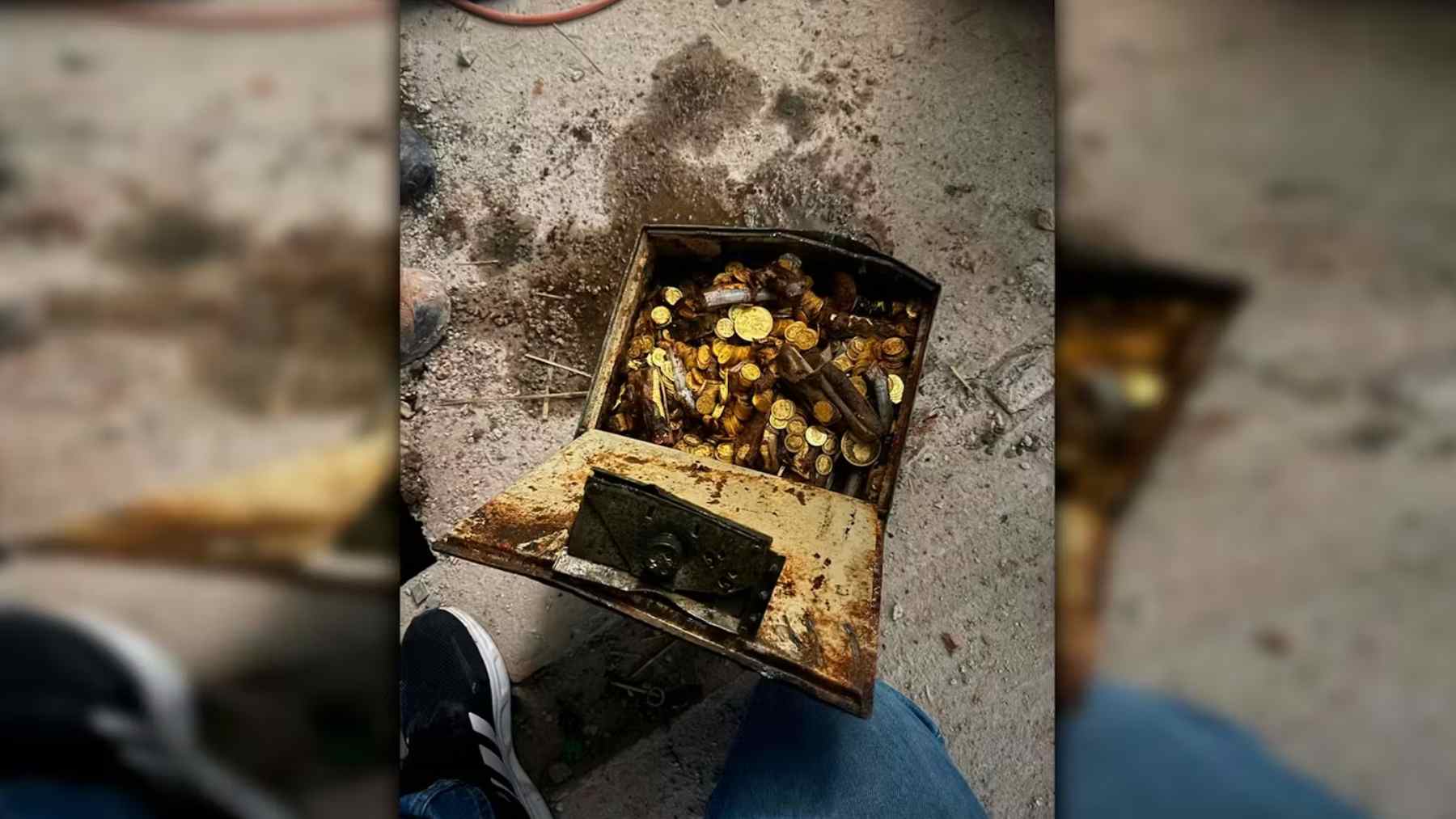
The plumber noticed a cable sticking out of the concrete while working in the basement. It seemed stuck, so he dug into the floor and hit a corroded metal container embedded under the surface, according to a report by Heute.
Inside were gold coins in unusually good condition, with the face of composer Wolfgang Amadeus Mozart stamped on them. The total weight was reported at about 30 kilograms, and the estimated value put the cache in the multi-million-euro range.
Why experts think the coins may date back to World War II
So why would anyone hide that much gold in a basement floor? Historians often point to the chaos of the late 1930s and 1940s, when some families across Europe buried valuables to avoid theft, war damage, or seizure, and never returned to reclaim them.
In practical terms, that means a discovery like this can be more than a lucky windfall. It can also become a historical puzzle, especially if authorities or museum experts decide the coins count as cultural property rather than just raw wealth.
Still, a lot remains uncertain. Without records, it is hard to say who owned the coins, when exactly they were hidden, or why the box ended up under concrete in the first place.
What Austrian law says the plumber can actually keep
Here is the part many people wonder about right away. Does the person who finds a treasure get to keep it all, like in the movies?
Under Austrian civil law, the standard rule for a “treasure” is a split between the finder and the property owner. The Austrian legal database RIS states in Section 399 of the Austrian Civil Code that the finder and the owner of the land each receive half. So even if the estimate holds, the plumber’s share would be closer to 1.2 million euros, before any taxes or costs.
Reporting the find, and why it is not just about money
Big discoveries also come with duties. Austrian rules can require reporting certain finds, especially if they may have archaeological or historical significance, and official guidance from the Federal Monuments Office explains limits on digging and the importance of notifying authorities.
That might sound bureaucratic, but it matters. A treasure can become evidence in questions about ownership, wartime theft, or cultural heritage, and officials may need to document it properly before anyone cashes in.
And yes, it changes the retirement math. One day you are thinking about your pension and the monthly bills, and the next you are dealing with lawyers, appraisals, and a safe place to store 30 kilograms of gold.
The official legal text on treasure finds was published on RIS, a source often cited when disputes over unexpected finds come up, from desert treasures to surprising discoveries at sea.