Our society is rapidly moving towards new sustainable energies and high-efficiency engines that do not pollute. The appliances we use every day meet strict efficiency standards, so they consume less and less energy. However, our electricity consumption continues to rise globally, and it is artificial intelligence that is being targeted in the face of a possible global blackout.
AI could cause a global blackout
AI is the most recent innovation that the world’s leading software companies have focused on, and the speed of its adoption coupled with the incredible benefits it can offer promise a revolution analogous to the internet in the 2000s. From helping with schoolwork to writing code following simple instructions, this technology is changing everything.
An AI consists of a series of servers that receive requests from users around the world, store them, process them and generate content from scratch by drawing on a gigantic database. These servers are distributed in physical locations around the planet where thousands of hard disks and graphics cards perform thousands of calculations second by second.
The problem is that in order to be able to respond to every response from every user instantaneously no matter where they are, physical data centers require an enormous amount of electrical power. This demand continues to grow as the language models developed by OpenAI, Meta and Google become more complex and efficient.
An invention turned against us?
Artificial intelligences have proven to be an incredibly efficient tool for a myriad of aspects of our lives. They assist in content creation, offer quick and personalized answers to simple queries, and are expected to have a revolutionary application in video game development among many other applications that push the limits of imagination.
In 2022 alone, the physical data centers of artificial intelligences reported a consumption of 460TWh of electrical power, and by 2026 that demand is expected to increase to about 1000TWh. This power consumption represents the current total of Japan, one of the most cosmopolitan countries on the planet and home to a population of 125 million people.
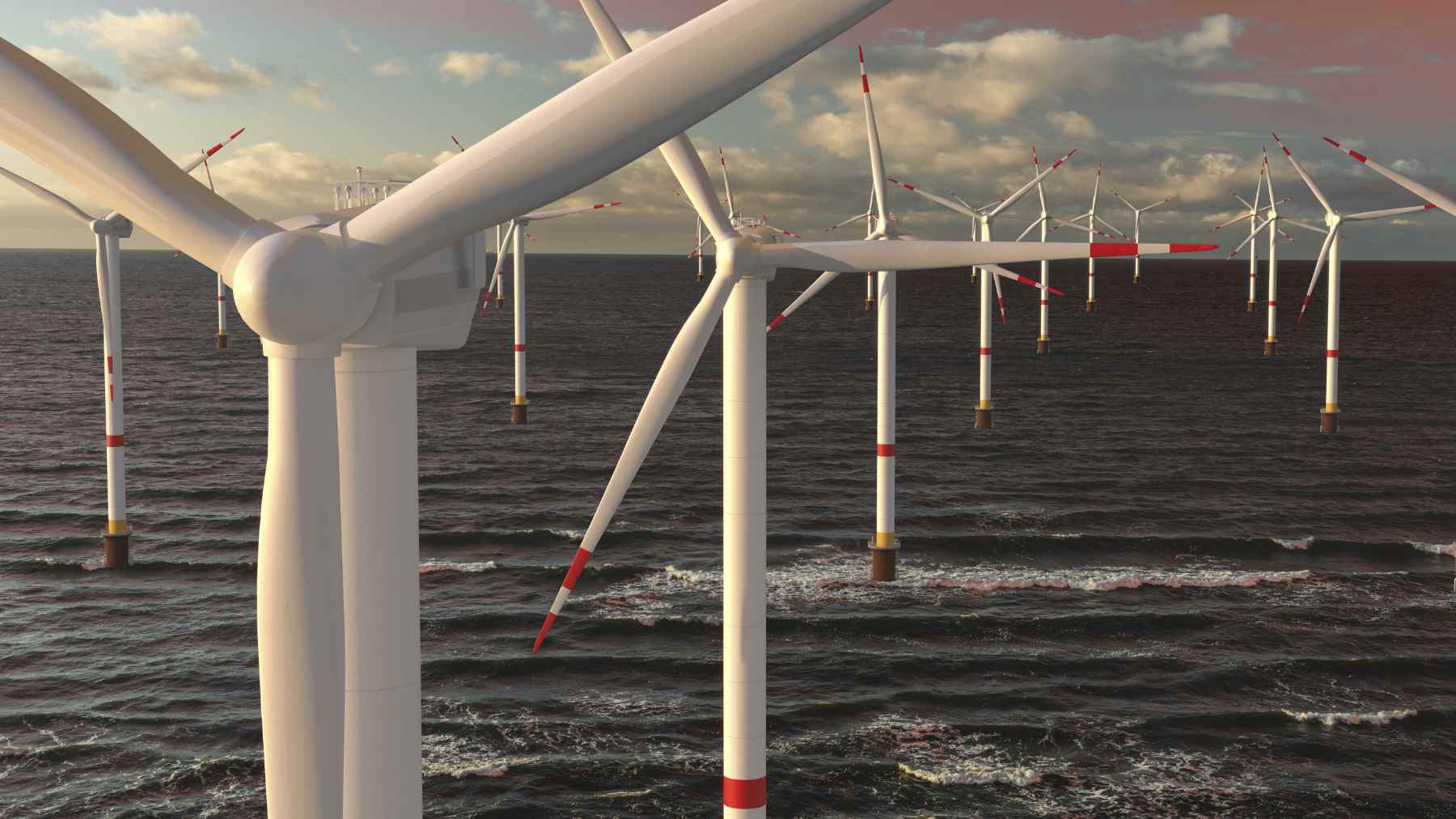
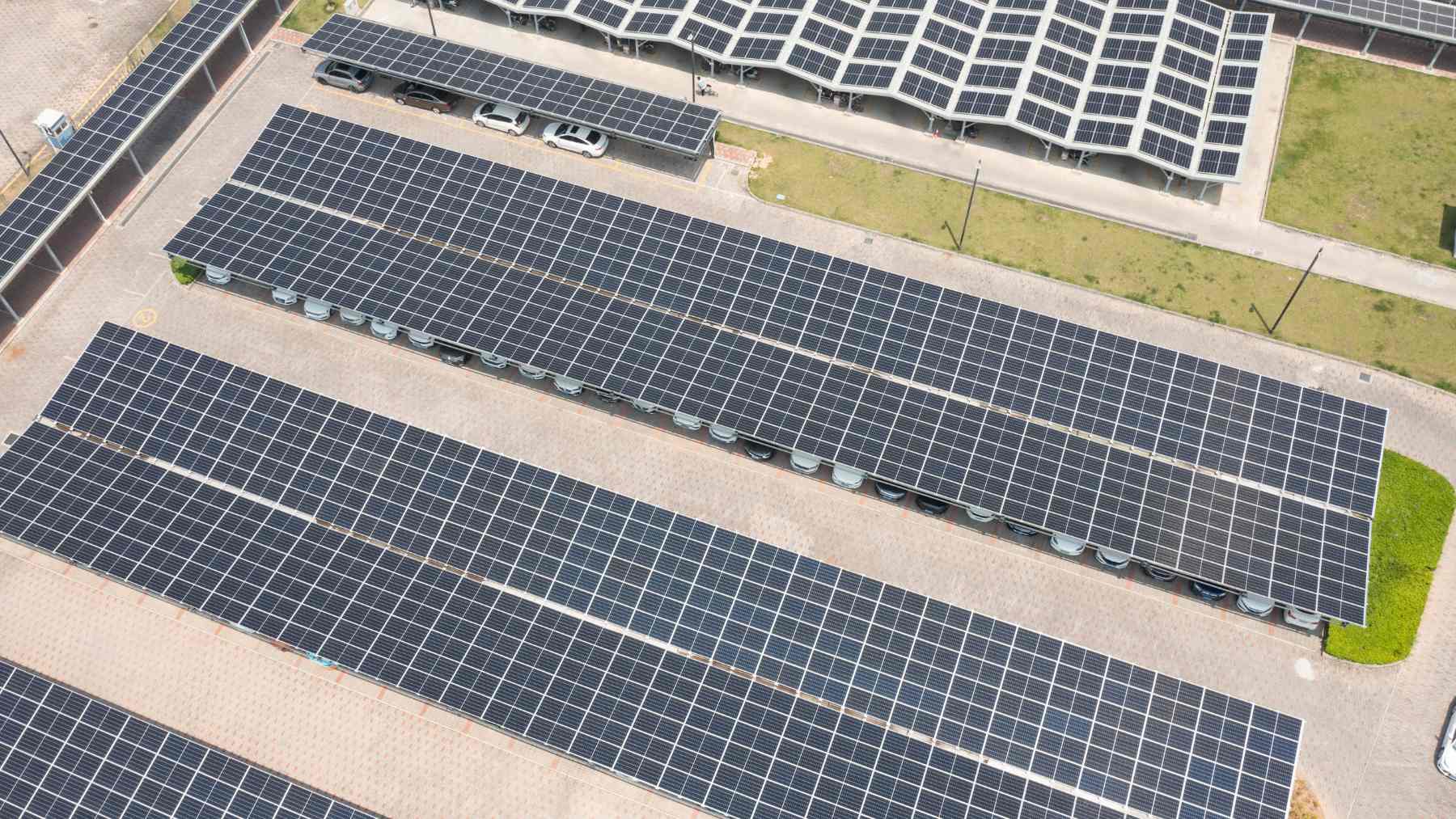
The companies developing these language models are already looking for a way to solve their huge electricity consumption which also represents the emission of tons of greenhouse gases into our atmosphere. Many of these companies already employ sustainable self-consumption systems but they still need to do more if they do not want to cause a global blackout.
How to avoid a global blackout due to AI
One of the solutions these companies have come up with is small AI models that can be installed in users’ devices and use the resources available on them. Currently most home devices have high-powered hardware that can alleviate the demand for processing power in data centers.
On the other hand, Microsoft is making plans to install modular nuclear power plants in its data centers to prevent any risk of contributing to a global blackout. A move that could end up making things worse by increasing nuclear waste.
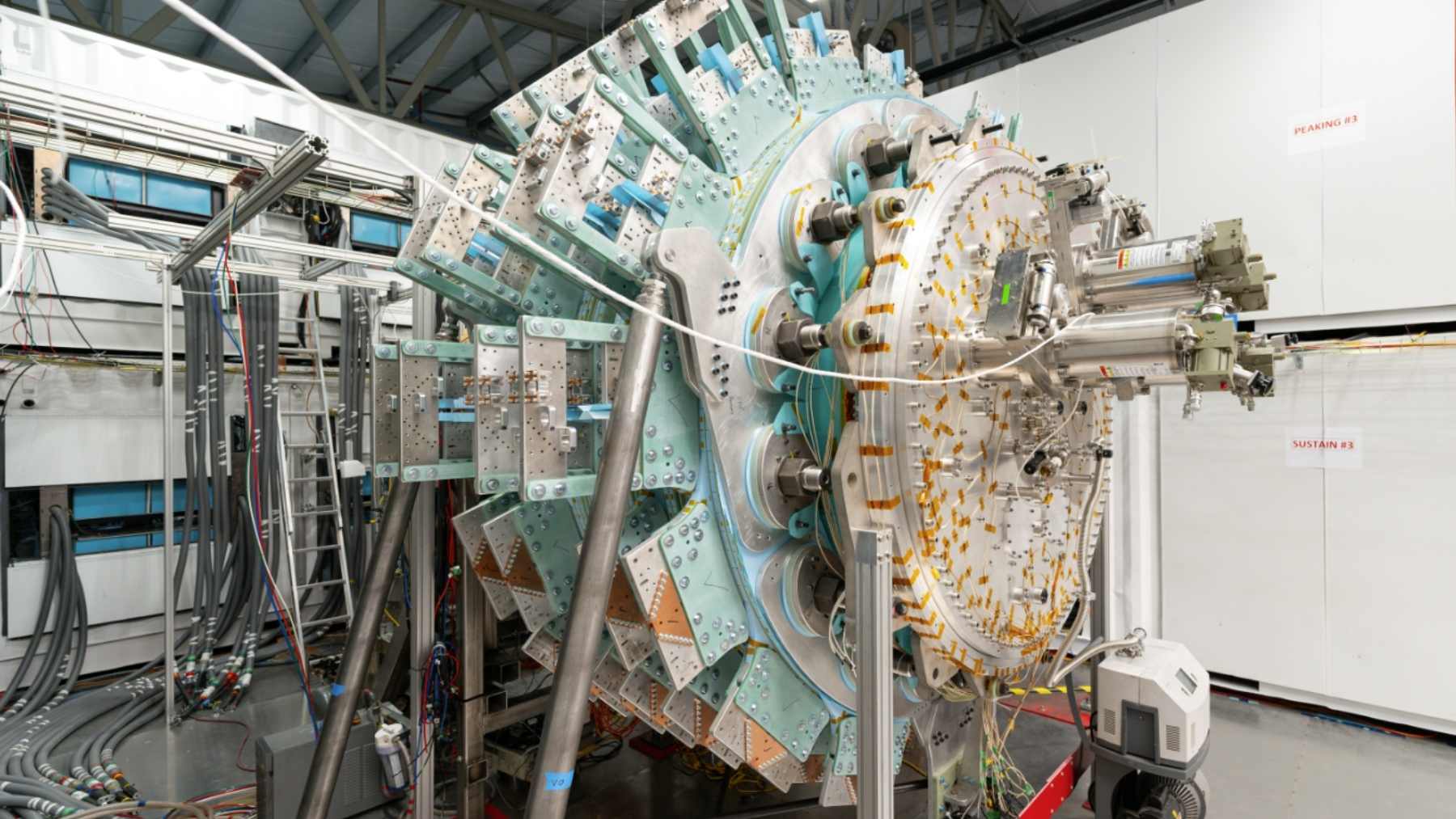
For its part the CEO of OpenAI has invested significant capital in the development of nuclear fusion to generate clean, renewable energy that will allow its technology to keep working and improving.
An uncertain future for AI
Artificial intelligences are part of a stream of technologies so innovative that regulations are still lacking for most of their applications. There are many controversies surrounding AIs, but the most important one is power consumption and the pollution that comes with it. It may be that advances such as the virtual energy that is being implemented in the United States will help AIs to stay in the market.