In the competition to produce environmental biofuels, algae are rising as an unexpected competitor. Amidst the corporations at the front of this groundbreaking area is Sapphire Energy, which intends to generate inexpensive, oil laden algae on a viable level. With substantial financing as well as elaborate strategies in place, Sapphire’s advancement may possibly set the stage for an ecological future in energy.
Sapphire energy drives ahead with algae created fuels regardless of price obstacles
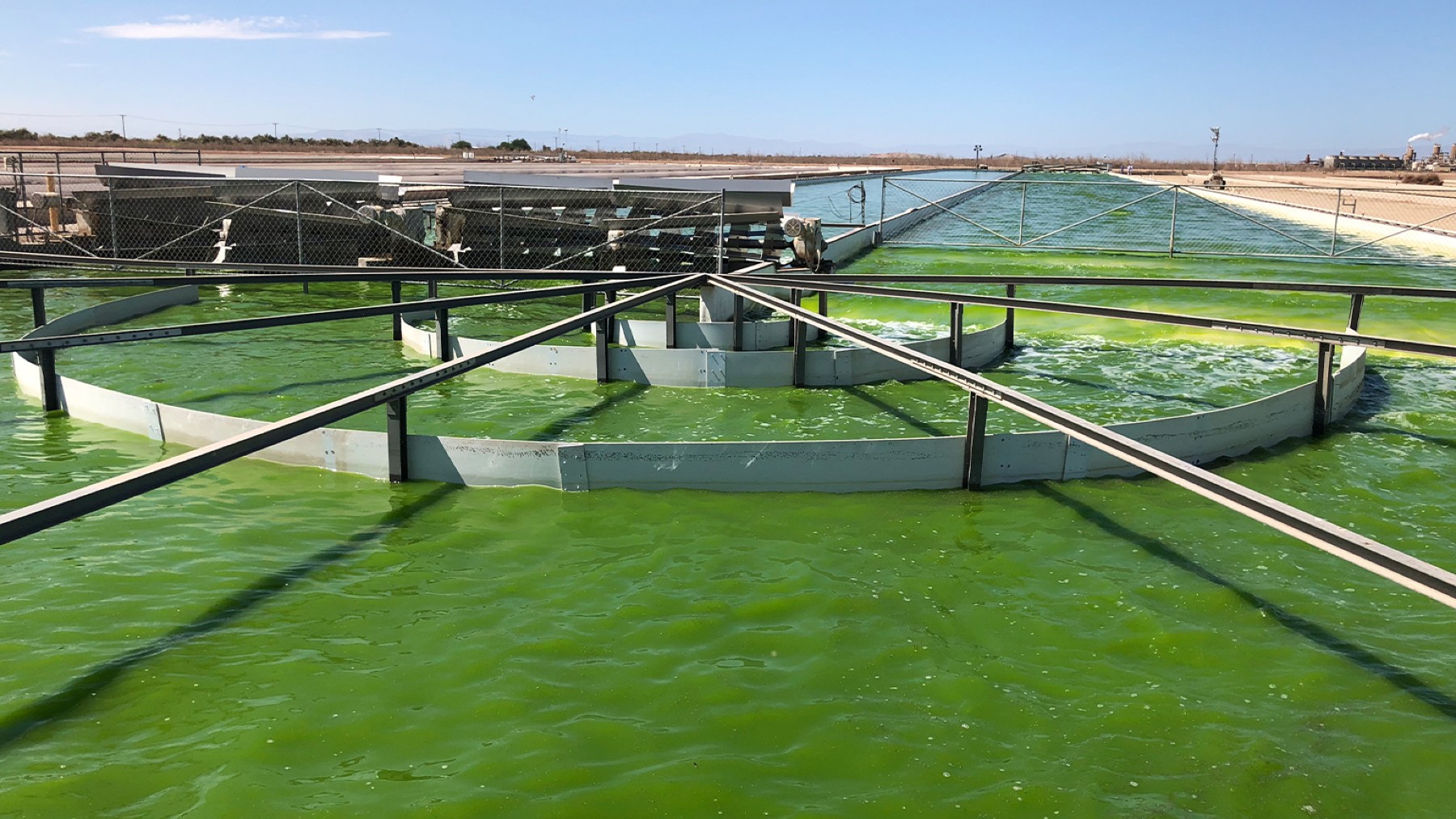
Sapphire Energy is taking steps in demonstrating the viable feasibility of algae created fuels. The corporation is constructing a 300-acre algae plant in New Mexico, with a 100-acre division already finished. Vice President of corporate affairs, Tim Zenk, anticipates the farm to be completely functioning by 2014, generating 1.5 million gallons of algae crude oil for refining into diesel as well as gasoline. The open pond design, comparable to rice paddies, will produce about 1 million gallons of fuel yearly at this initial stage. Regardless of difficulties such as imposing species, Zenk highlights that “energy has become a strategic necessity,” with the US military as a vital potential consumer.
While Sapphire Energy are taking these steps, the generation of algae created fuel is still costly as opposed to traditional alternatives. Research from the National Renewable Energy Laboratory determines that algae created diesel presently costs around $9.84 per gallon to generate, much greater than $2.60 per gallon for petro diesel. But Sapphire’s objective is to make algae fuel comparable with oil valued at $85 per barrel.
Sapphire energy transforms algae generation with disease tolerant strains
To achieve this objective, the corporation is revolutionizing throughout the complete generation procedure. A vital tactic involves reproducing algae which could flourish in critical conditions like high salinity or pH levels, decreasing competition from other organisms. “Sapphire has bred disease-resistant algae that can grow under harsh conditions that most other organisms can’t tolerate,” Zenk clarified. This permits the corporation to use open ponds, that are inexpensive to construct than enclosed systems, but still generate substantial amounts of oil.
Additionally, Sapphire is working on decreasing harvesting prices by using methods from the water treatment sector. Zenk shared that the company’s technique includes treating the algae with chemicals which cause them to bunch together, making it simpler to sponge off the top. These improvements, mixed with Sapphire’s alliances, like working with Linde Group to offer affordable CO2, are intended to make algae fuel more inexpensive ultimately.
Supported by prominent names and government backing, Sapphire energy progresses toward biofuel future
Regardless of the difficulties, Sapphire Energy has motive for hopefulness. The US government stays dedicated to biofuel objectives, aiming at 36 billion gallons by 2022, along with oil costs increasing again. Sapphire’s initial financers include prominent names like Bill Gates as well as Monsanto, offering both economic support as well as technological alliance. Furthermore, the US Department of Agriculture has supported the initiative with a $54 million loan agreement, and the cooperation has acquired a $50 million Recovery Act fund to promote job creation.
The military, which is progressively interested in sustainable energy resources, might become Sapphire’s first main consumers. As Zenk indicated, “The military will be the first customer. Energy has become a strategic necessity.”
Sapphire Energy’s algae fuel project demonstrates a daring step aiming for a more environmental energy future. With groundbreaking technologies, strong financing, as well as government support, the corporation is strategically placed to defeat the difficulties that algae fuel offers. Whilst it might take numerous years to accomplish large scale generation, Sapphire’s attempts are proving that algae may actually play a fundamental part in biofuels future. If effective, this environmental transformation may possibly be a revolution for the energy sector.