What used to be called “Project Titan” has been the subject of rumors around Apple Automotive for several years. Apple’s supposed entry into the EV market would disrupt Tesla and transform mobility as it has been. However, to everyone’s surprise, Apple axed the project in mid-2024. Here’s a detailed perspective of why that most anticipated car in America never saw the roads.
The Dream of an iCar: How Apple planned to Redefine Vehicles
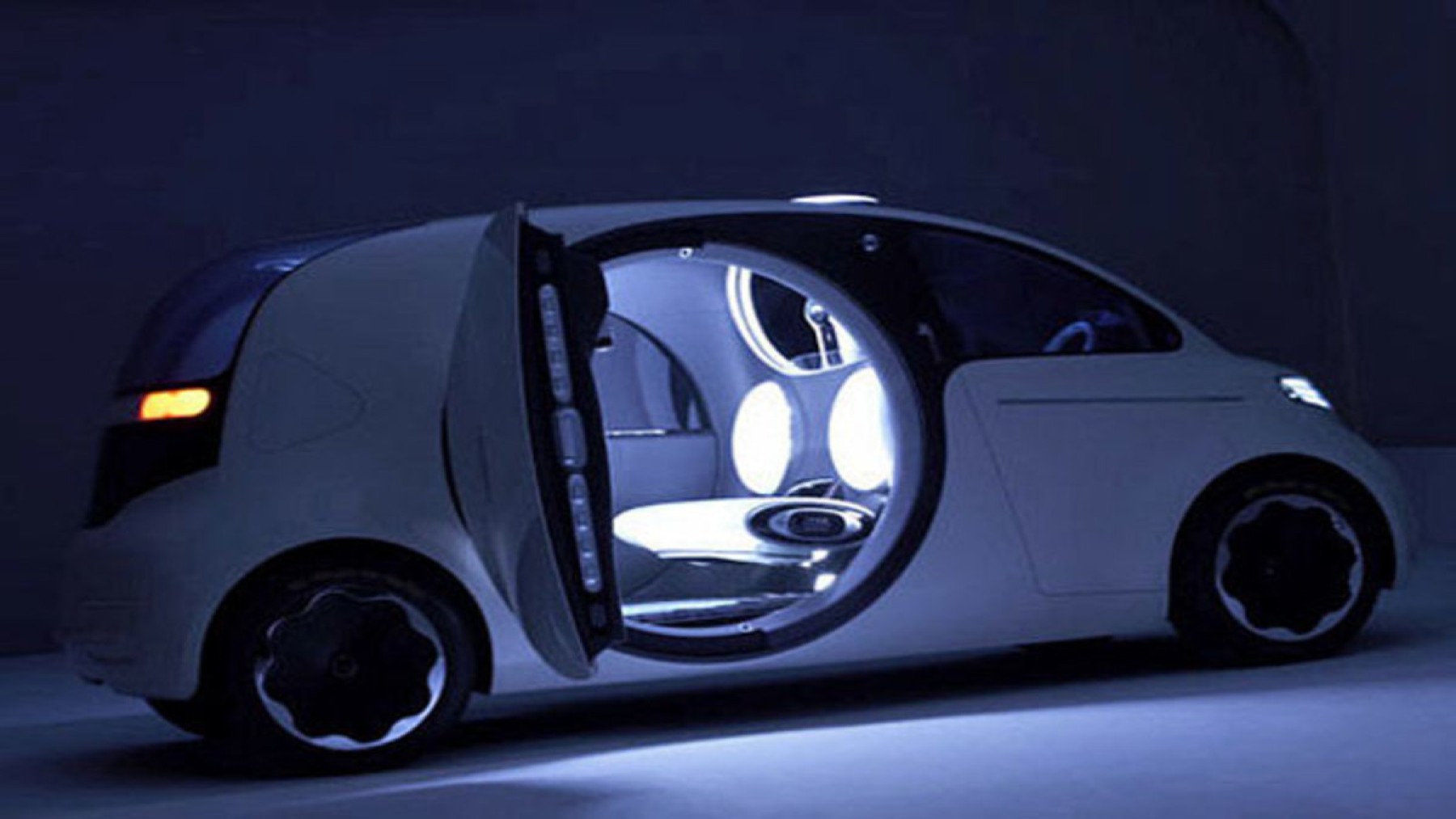
When Apple started Project Titan in 2014, it intended to reimagine a car from the ground up. As we know, Apple revealed itself with outstanding inventions such as the iPhone and iPad. The company foresaw bringing innovative hardware, software, and interface design solutions to the automobile industry. The goal was to build an electric car with self-driving computational capabilities while still being an aesthetically pleasing work of art.
It envisioned cars that had become small smart mobile devices with new-aged AI, a self-driving system, and an iOS-like touch screen. Such ambitions could potentially revolutionize the car industry. These plans were grand enough to alert automobile manufacturers like Tesla, Ford, and General Motors. They viewed Apple’s potential entry as a disruptive force.
In Apple’s case, the goal proved challenging since the project encountered many difficulties. The major challenge was developing a proper, purely electric car with absolutely no input from a human. Apple lacked expertise in key areas, including battery technology, vehicle assembly, and self-driving systems. These were not industries it had mastered.
Challenges faced by Apple: The hurdles that halted Project Titan’s progress
Furthermore, oscillations in senior management and tribal internal fighting significantly slowed progress. Apple changed project managers multiple times, each with different concepts for the car. Some envisioned fully self-driving vehicles without a steering wheel, while others preferred a traditional design. These internal disparities caused execution stoppages and discontinuity within teams.
With over a thousand employees working on the project, large organizational problems surfaced. Redundancies and overlapping objectives slowed the work rate. Ultimately, Apple could not produce a revolutionary car as its brand demanded. As a result, the company quit the activity altogether.
What Apple’s car could have been: A glimpse at its ambitious plans
The discontinuation of Project Titan means the world misses out on some revolutionary components Apple envisioned. The project was rumored to feature AI capable of making full decisions for autonomous vehicles. Additionally, it included a custom interface to integrate seamlessly with Apple products and enhanced battery technology for extended range. The car was also intended to define a new era of interior styling.
Speculation ranged from a minimalist interior enabling movement to a light and spacious construction for work and relaxation. The vision was to deliver an automobile and a lifestyle on a wheel that could be a part of the Apple world. Sublime, this approach could have redefined mobility.
However, even as Project Titan comes to a close, it is still not the end of Apple’s dreams. Apple has shifted its focus towards generative AI and hardware assets such as the Vision Pro headset. Many employees of the car project have been redeployed to work on AI to ensure that it sustains competitiveness.
What’s next for Apple: I will also briefly discuss future diversification and lessons from Project Titan.
When companies decide to enter a new industry, they always face obstacles, even for those who were highly successful in their previous activities. This decision agrees with Apple’s strategy since it seeks to return to strategic capabilities and directions. Unfortunately, the Apple Car was never fully realized in this way, but the real-world applied expertise will benefit future inventions. This can be seen in Apple’s product portfolio and the EV industry.
Apple’s car project was an ambitious attempt to create a technological, design, and ecological breakthrough. It underlines the extent of the challenge that automotive manufacturing faces, even for a disruptive player such as Apple. While consumers will likely never own an iCar, knowing what the company garners from Project Titan might improve mobility and technology in the coming years.