The energy transition in the Americas is progressing somewhat unevenly. States such as Alaska do not have the same degree of progress as others, such as California, but they continue to make progress. However, the whole country has been held back and is on tenterhooks by these two others, who have gone “at war” over this energy. It is so “black” and dangerous, it could contaminate the entire country, and there are already projects underway to stop its expansion.
Two American states “at war”? What has happened with this energy that is raising concerns
The competition over the usage of clean energy as well as the power plant shutdown in South Dakota and Minnesota has been a major debate. The two states have had completely opposite approaches to their energy future, and this has flared up into a war with major impacts on the energy future of the Midwest.
The political controversy between the two states mainly involves the issue of old, burning power plants and the shift towards the use of clean energy. South Dakota has effectively stood its ground in supporting its coal interests against plans to close down coal-fired plants and absorb Minnesota’s clean energy endeavors.
Minnesota, on the other hand, has been more assertive in its quest for clean energy, hence the emergence of confrontations with Wisconsin over the energy of the future. One of the latest developments in this ongoing disagreement is plans for a large coal-fired power plant in North Dakota known as the Coal Creek Station.
What will happen now? South Dakota and Minnesota are “ready to go further”, confirmed
The question about the further development of the energy environment in South Dakota and Minnesota has no definitive answer; However, some noteworthy events are expected to define the further forms of the conflict.
Renewable Energy Expansion
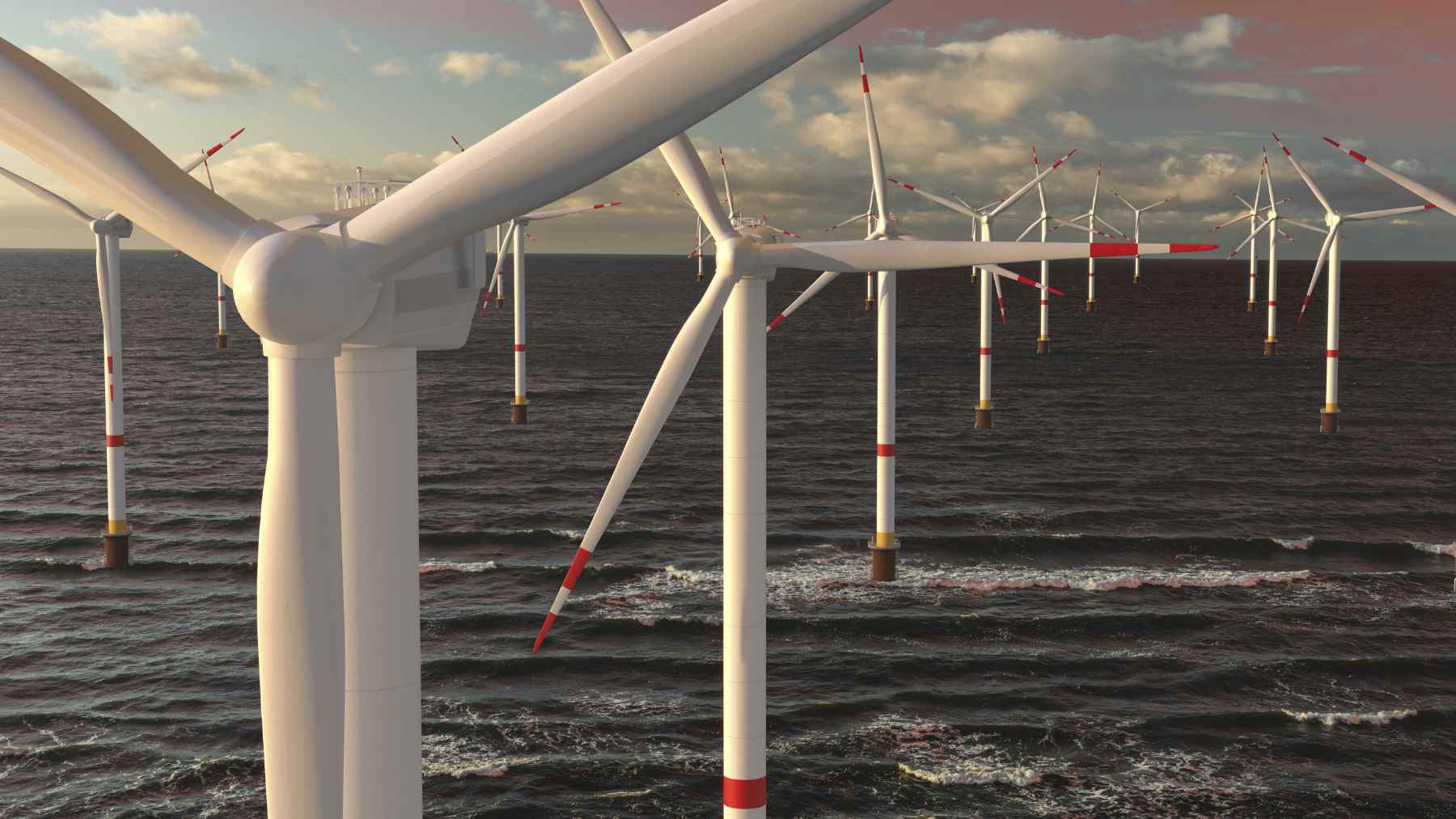
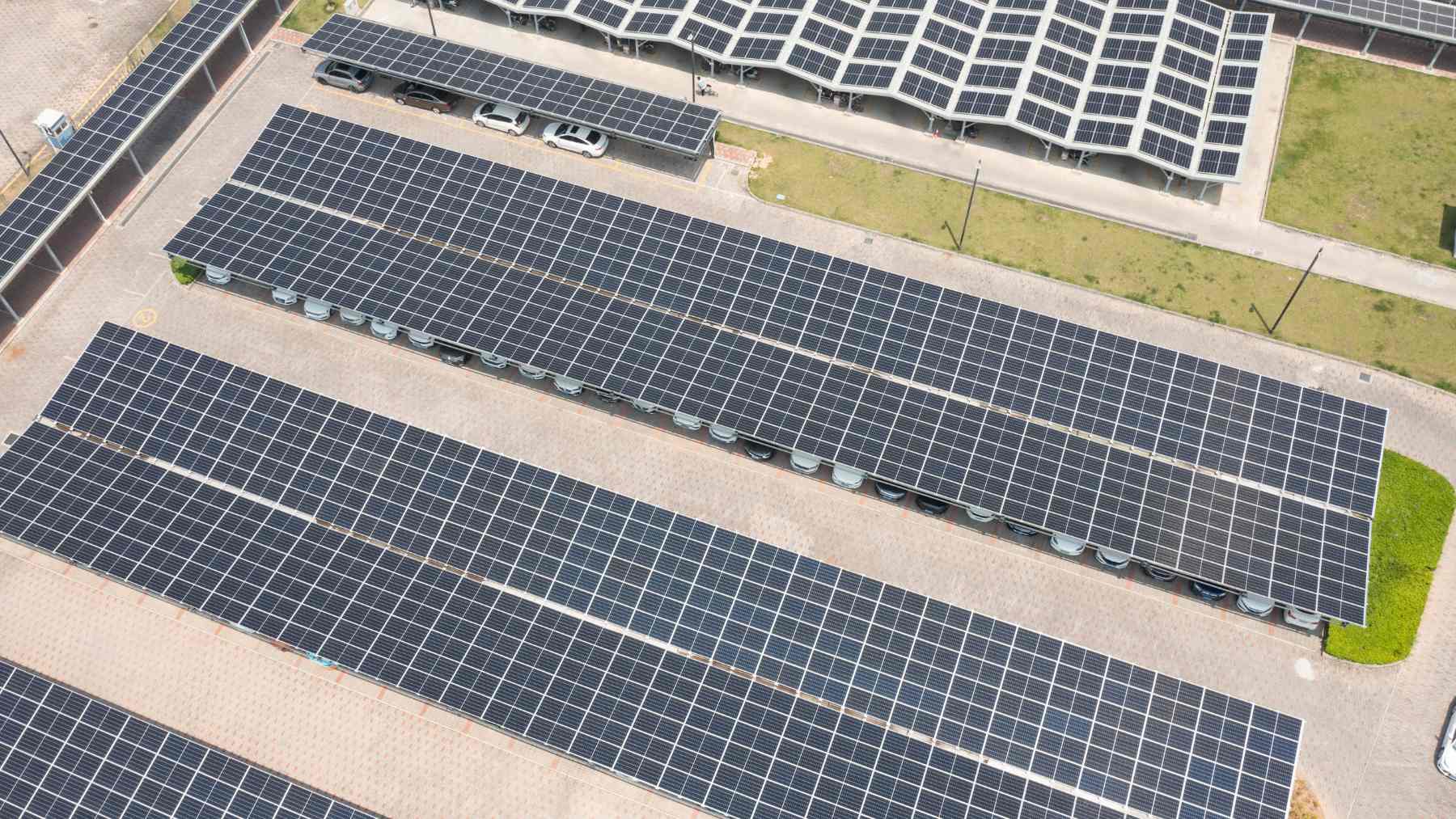
Minnesota has high targets for renewable energy; the state has vowed to get to 100% carbon-free electricity by 2040. The state has been keen on power generation from wind and solar through direct investment. On the other hand, South Dakota has not been so proactive when it comes to the adoption of renewable energy; while coal remains the most used source of energy in the region.
Coal Plant Closures
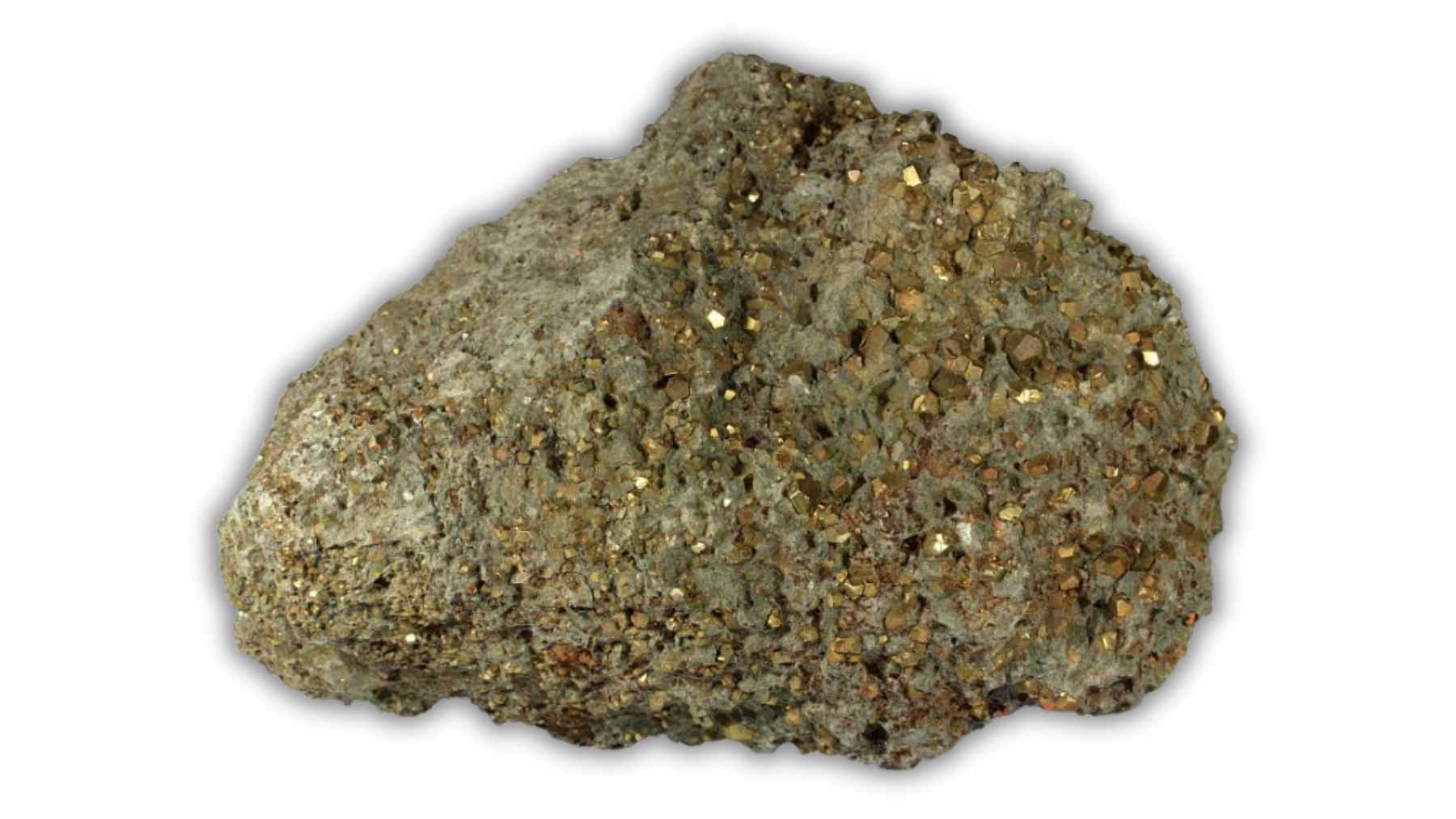
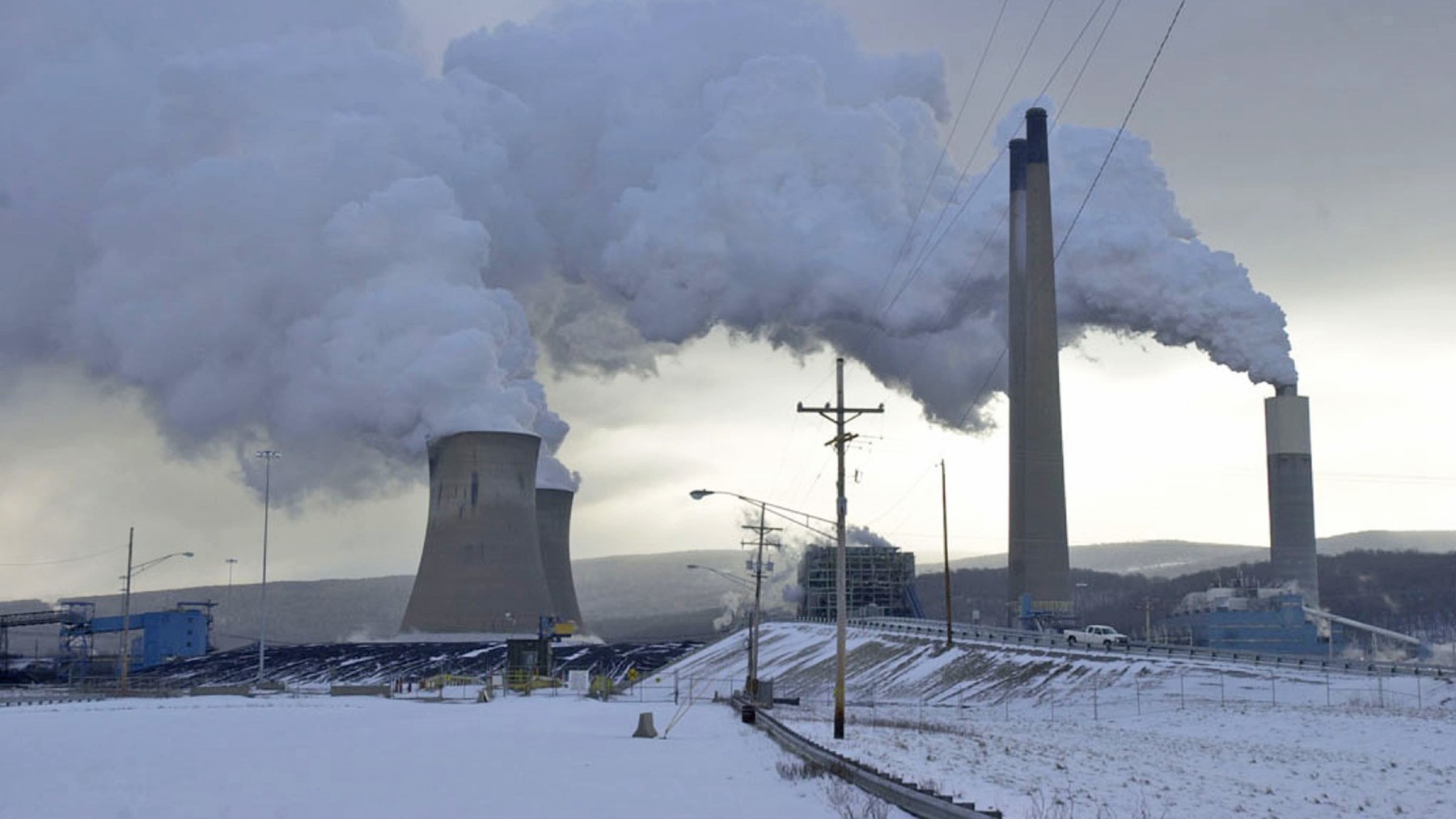
The status of coal-fired power plants within the region remains one of the biggest contentious issues. Although the Minnesota has been more receptive to closing down these plants for clean sources of energy, South Dakota has always wanted to keep these plants running (like the Coal Creek Station in North Dakota).
The “weapons” have been deployed, and the battle begins: The projects they are currently developing
As the clash between South Dakota and Minnesota continues, several future projects and developments are likely to shape the region’s energy landscape:
- Carbon Capture and Storage: The planned retrofit of the Coal Creek Station with a carbon capture system is big news that may well decide the sort of future that is in store for coal power in the area. But critics have disputed the feasibility and the cost of this discovery by engineers, stating that it will not be profitable.
- Renewable Energy Expansion: These two states are expected to remain committed to the use of other forms of sources such as the wind and solar energy, required to meet respective states energy targets. This may lead to more tension, especially when the states are vying for renewable energy projects and structures.
- Grid Modernization: The current issue with the Coal Creek Station has shown that the power grid has several problems and that better interstate power transmission is required. Perhaps, the investment towards these areas could aid in bringing harmony in utilizing the renewable energy between the states.
As you can see, the extraction of coal in America continues to be a source of concern for the entire country, even for the states that are making the most progress in clean energy. The conflict between South Dakota and Minnesota has just begun, and now it will be up to the courts to resolve it, once the political route has almost been exhausted. This contrasts with Hawaii, an archipelago that we described as a “clean energy paradise” two weeks ago in an article that went viral (not in vain is advancing by leaps and bounds).