The federal government has just committed the biggest blunder in our history, and we’re not talking about a new project to resurrect nuclear energy. We’ve lost a “green” opportunity that will move us decades ahead, plus $7B and a year without power. What has happened to make the outlook so bleak? You’ll see it now; the whole world is talking about us.
Experts have raised concerns that America is missing the most significant “green” opportunity.
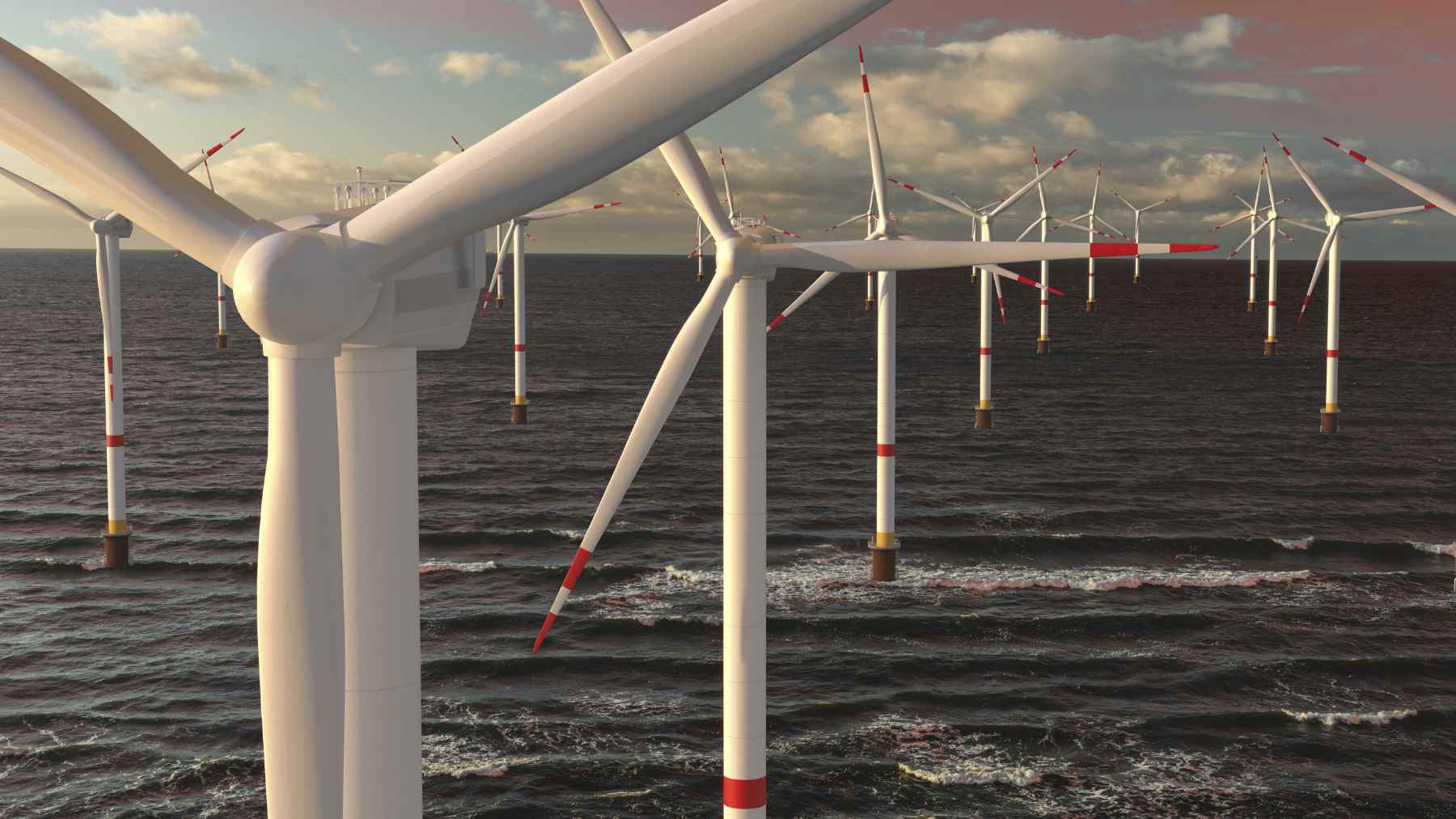
Through deficient policies to support the growth of the offshore wind and green hydrogen sector, the US has incurred huge losses and missed opportunities. This has resulted in billions of dollars in subsidies being printed to support this industry in the view of campaigners, given the slow pace of offshore wind in delivering results.
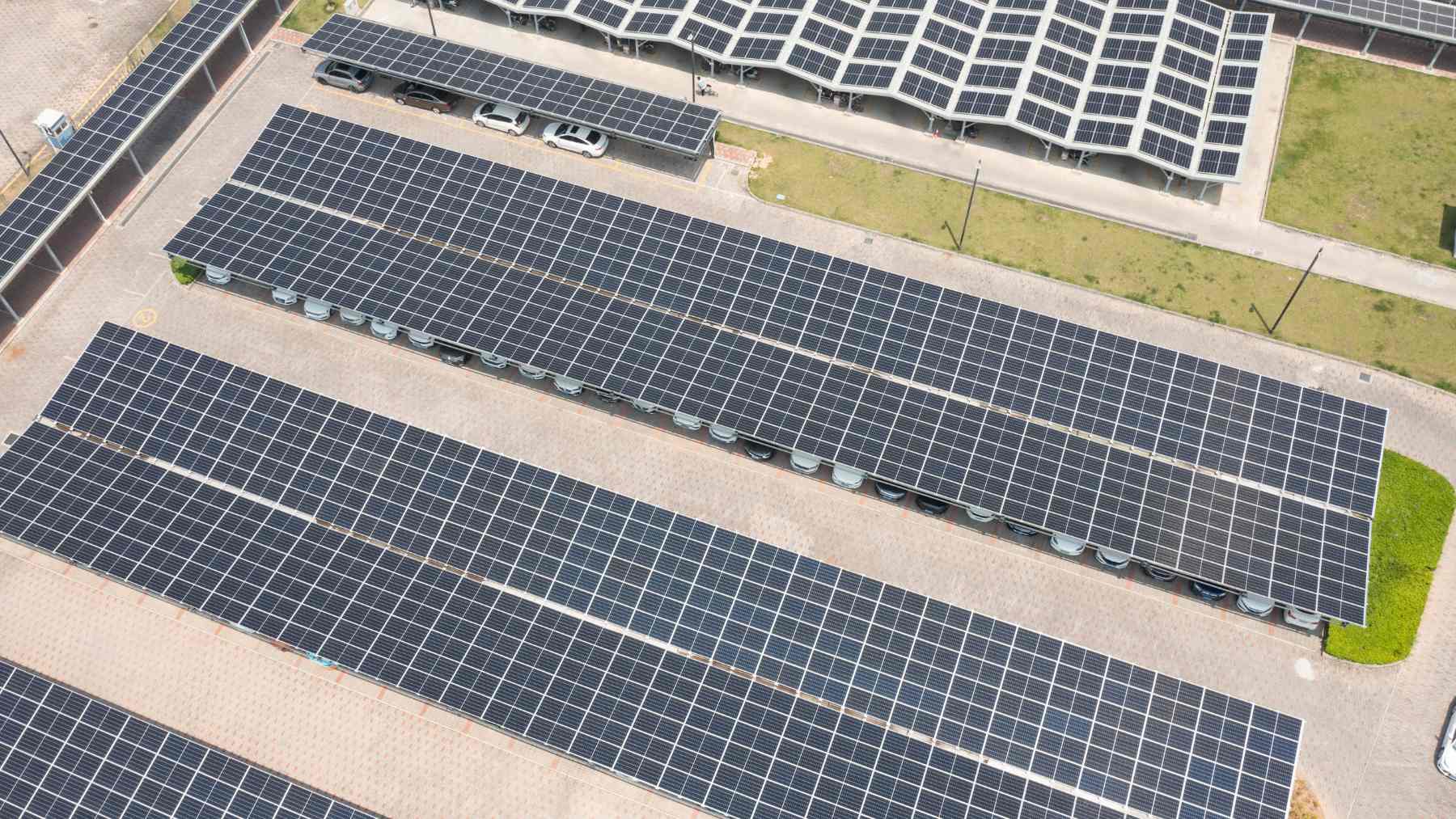
Increased federal grant funding for residential solar projects to serve low—to moderate-income households, with $7 billion from the Biden administration, have equally suffered these blows, in addition to more general issues affecting the renewable energy sector.
This loss is fairly large but pales in comparison to the potential economic gains that could have been made if offshore wind and green hydrogen production had been developed further. According to experts, we have “lost an entire year” as our energetic system has not completed a transition.
The most futuristic energy, “almost lost” in America: we’ve run out of $7B
The paper also reveals that the green hydrogen sector in the United States has also had a big NO, with 2024 being termed a “Lost year’, referring to tax credit guidelines. This has created a clearer policy on GHG reduction and the development of the promising field of tax credits.
The problem is that the subsidies for fossil fuels have not been “redirected” to sources such as hydrogen, so we are talking about an amount over $7B that the federal government has not yet tried to invest in this new energy that will lead to an ecological transition.
We have seen how more than 30 countries are working on extracting their hydrogen deposits in the form of gas (such as Albania or France), producing it offshore (such as Spain), or even looking for new “colors” to give rise to what we know as orange hydrogen, obtained from wastewater treatment.
The energy we will never have: 30 GW of this “oceanic” source we’re losing.
The recently announced Biden administration’s target of 30GW offshore wind capacity for the United States only by 2030 is encountering severe challenges. Many critics have pointed out that as of June 2024, permits are issued to only six major offshore wind projects.
You should note that the goal is 30 projects, which is less than 1 percent of the total, with only 5. 5 years left in the plan. The major hindrances are the availability of appropriate floating technology (55%), the manufacturing team for offering floating structures (51%), and ports (50%).
Shell, a company involved in the development of offshore wind projects near the northeast US coast, has said that it plans to lay off those working in the sector as it redirects the firm’s efforts towards hydrocarbon production. Wind turbine maker Siemens Gamesa has also declared more miserable news for the industry.
According to a recent survey by Westwood, a London-based consultancy, the floating offshore wind industry is expected to install less than 3 GW of fresh floating generation capacity by 2030 and around 10 GW by 2040. Do you understand why we are extremely far from these “green” objectives?
You see, 2024 has been declared a lost year due to a lack of public funding, something that numerous projects seeking to boost and develop renewables had complained about. Even with foreign financing and private capital, we need to catch up where we should be, with energy sources such as hydrogen or geothermal being hit harder (not to mention photovoltaics or agrivoltaics).