America has been approaching the energy transition for years with a strategy we’ve told you about in the past. Remember diversification? We don’t always rely on PV or wind. A new source is about to be explored, with a secret project we’ve just unveiled that will generate up to 3 tons of the most futuristic energy. And then? We are going to sell it to the world to make this thing that even Japan is looking for.
America has unveiled its secret project: This “never-before-seen energy” will be produced
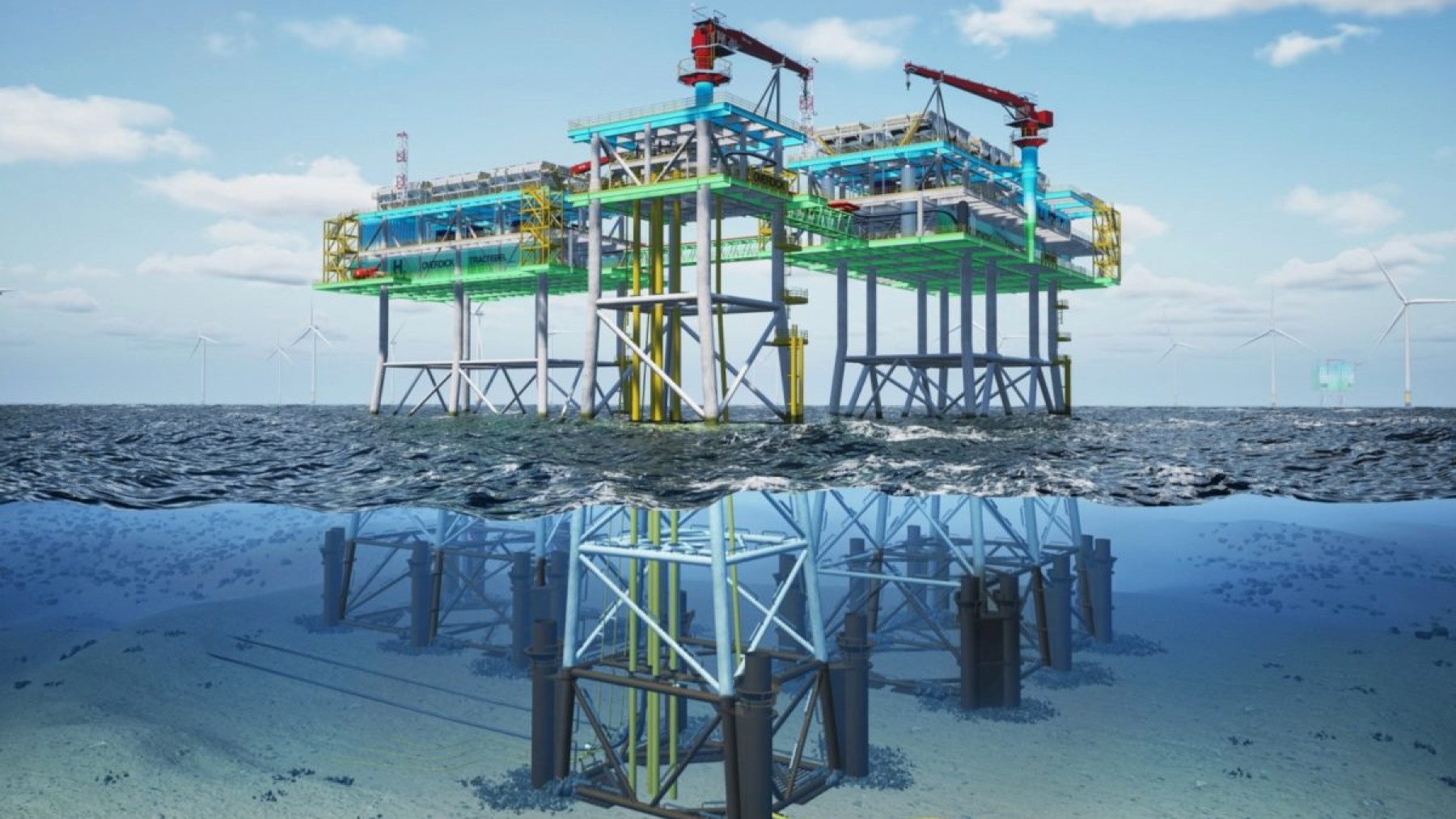
H2B2 has its SoHyCal production plant in Fresno, California, which is a green hydrogen production plant that entered commercial production last year. This project, funded by the California Energy Commission, is owned in its entirety by H2B2 and is expected to be one of the largest ‘Green Hydrogen,’ producing stations in the United States of America.
The SoHyCal project in South Korea started the commercial production on June 1, 2023, with an initial production capability of 1. Of the generated hydrogen, 2 tons per day of green hydrogen will be produced. The first is the work of the diesel engine fueled by biogas, which is produced from organic waste dumped near the production center.
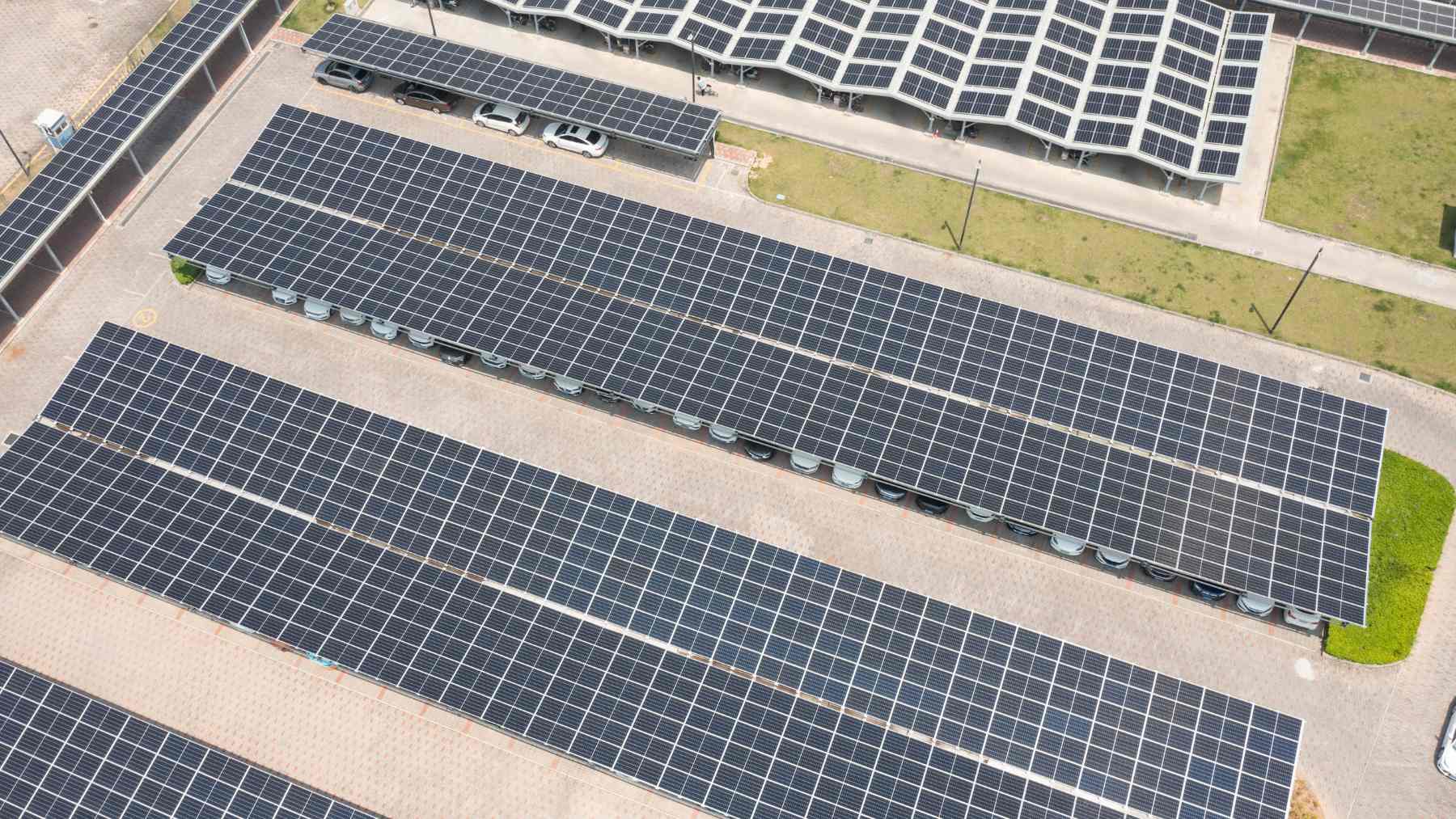
As for the next 18 months, it is to pass to the second phase of the project and transfer the functioning of the facility to the photovoltaic solar plant. Once this second phase is accomplished, the SoHyCal project will have a total monthly production of approximately 3 tons of green hydrogen per day.
SoHyCal, to revolutionize the way we produce energy: No more hydrogen this way
SoHyCal is obtaining the green hydrogen from H2B2 through water electrolysis technology, which it has patented. H2 can be produced efficiently with zero emissions through this technology in the mentioned facility. In the first phase of the SoHyCal project, the specifications predict that it can generate energy up to 1 ton of green hydrogen, fresh water, and gray water.
Currently, H2B2 remains highly heir to continue the development of the SoHyCal project in the subsequent years as well. Based on the above explanation, the company has managed to get $3. The California Energy Commission’s Clean Transportation Program has given a $96 million grant for the project that will enable the production of up to one ton of green hydrogen daily.
Further, the H2B2 is in the process of converting the SoHyCal facility to be supported by a 9 MW photovoltaic in phase II solar plant. This will enable the project to scale to its full potential of 3 tons per day, which places the green hydrogen production facility among the largest in the United States.
California, to produce 3 tons of the most futuristic energy: Projects and platforms to be launched
The level of recognition that the SoHyCal project has received within the green hydrogen sector can, therefore, be described as high. Some key points of interest include:
- H2B2 participates in and supports the ARCHES H2 hub for Renewable Clean Hydrogen Energy Systems. SoHyCal is viewed as one of those large, system-level hydrogen projects, which ARCHES wants to foster.
- The SoHyCal project has been well acknowledged by the Hydrogen Valley Platform (H2V), the international collaboration platform for information on big projects of hydrogen flagships. That is why H2V has mentioned SoHyCal as one of the projects that contribute to the clean energy transition, stating that the focus is on integrated hydrogen projects in the value chain.
- H2B2 runs the SoHyCal project under the guidelines of CEQA; engages in other federal, state, and local regulations and requirements for its operation. The tasks of this kind of regulation are critical as they set up the course of the company’s functioning and development.
This new way of producing hydrogen in California opens the door to a whole new energy landscape, leaving Alaska’s oil drilling far behind. The future will show whether this is a realistic project or whether it will be put in the drawer along with nuclear. Do you think there is reason for optimism? Experts warn that this is likely to be the case, but only if sufficient subsidies are approved by the White House, something the IEA has already alarmed about.