Research into clean energy has made hydrogen the prime candidate for a carbon-free future. Traditional methods face challenges, particularly freshwater scarcity. On the other hand, there is a technology already developed that can generate hydrogen directly from the air, there is a possibility for the solution in areas that lack water but are rich in renewable energy.
Clean energy discovery: Turning air humidity into hydrogen with sustainable power
Hydrogen production is usually affected by decomposition of water to hydrogen and oxygen by electrolysis. Conventional practice of this technique demands enormous consumption of freshwater, which is a widely becoming limited resource all over the world.
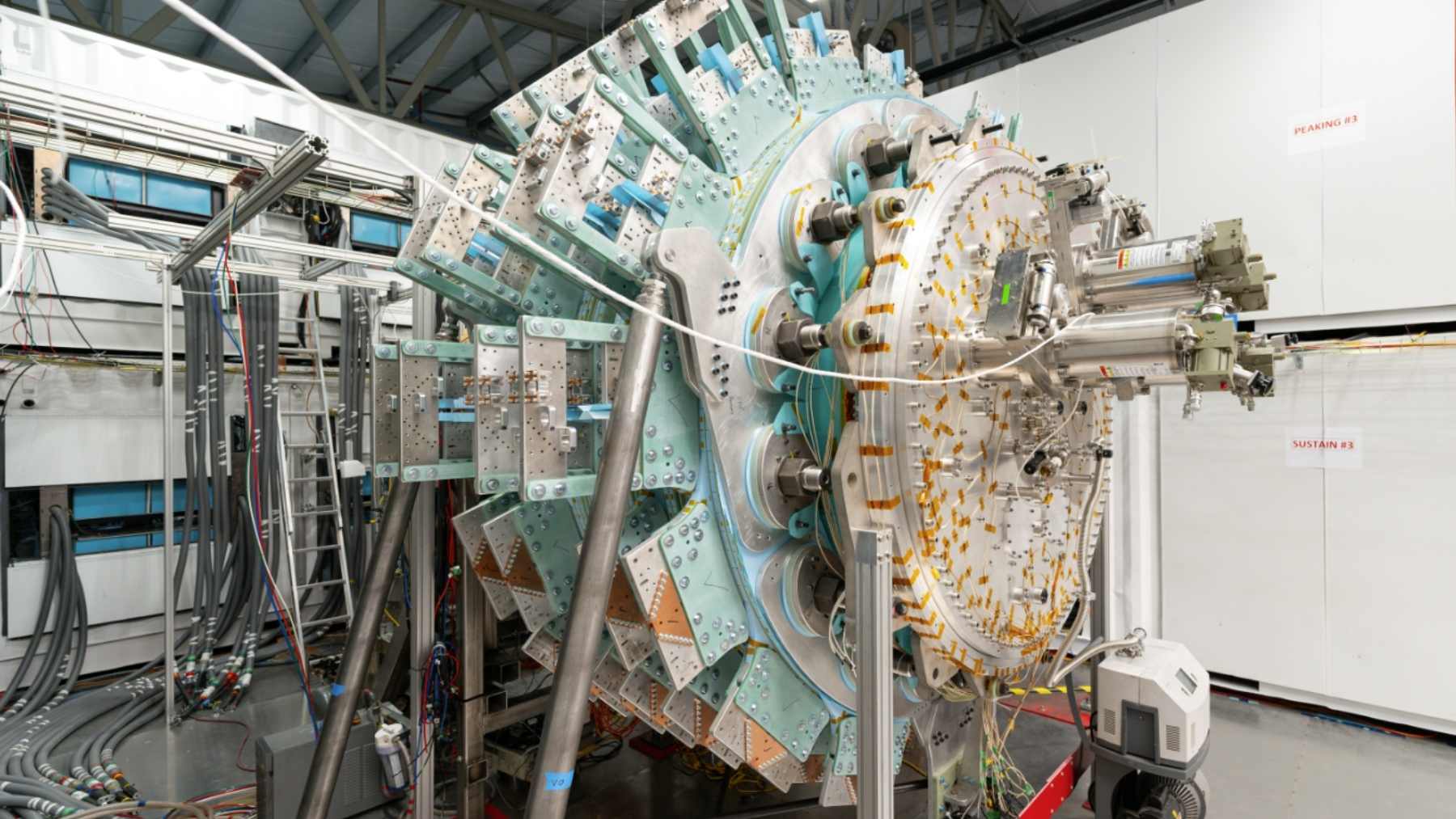
University of Melbourne researchers, however, have discovered a new solution in developing a Direct Air Electrolyser (DAE). This device eliminates the requirement for liquid water, extracting moisture directly from the air so that hydrogen production can occur in desert areas.
Having absorbed water from air with a hygroscopic ionic solution the way to the success of the DAE is its capacity to breathe. This material is inherently absorbent of moisture, which is then converted into liquid water, to be used as an electrolyte.
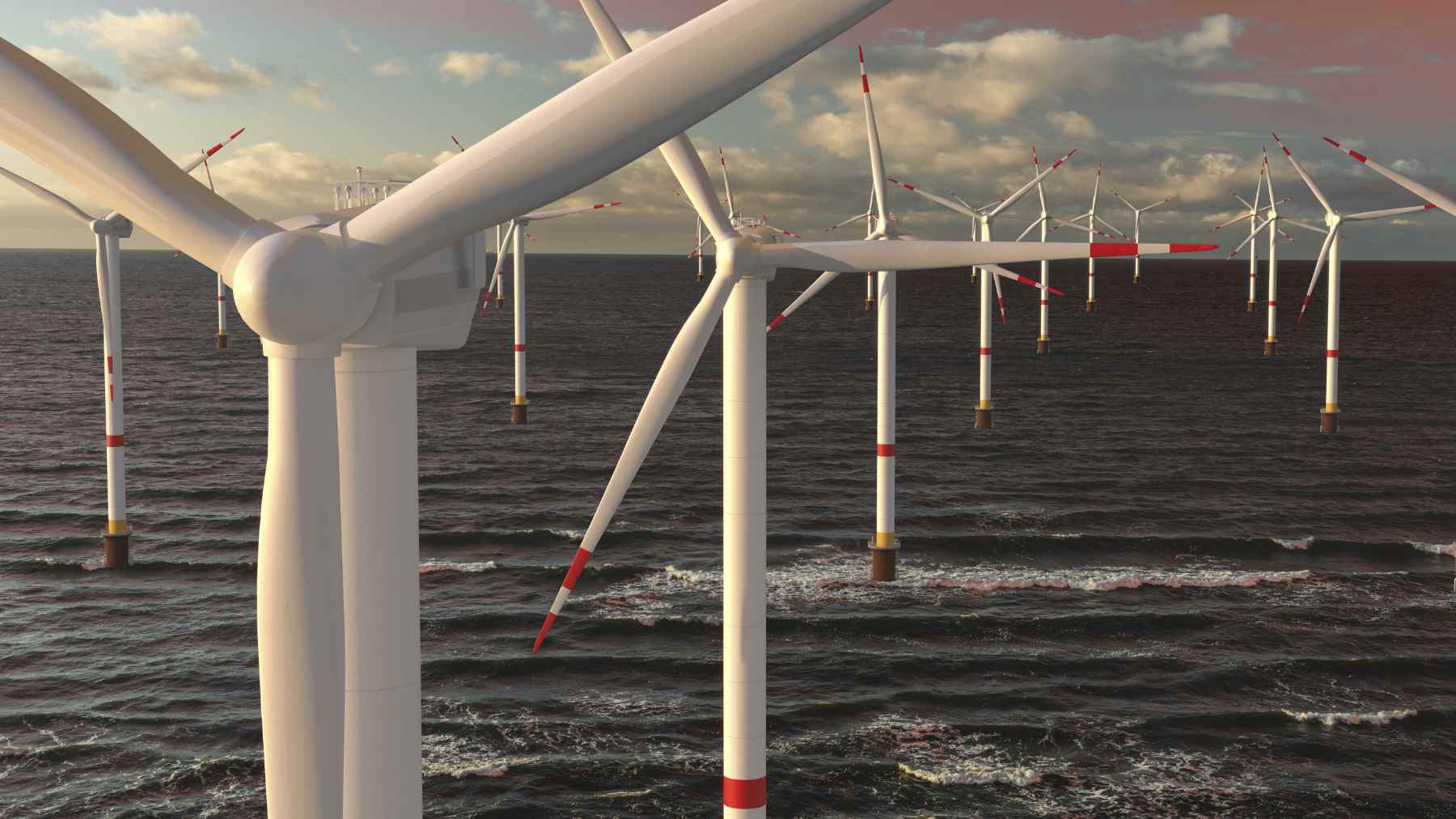
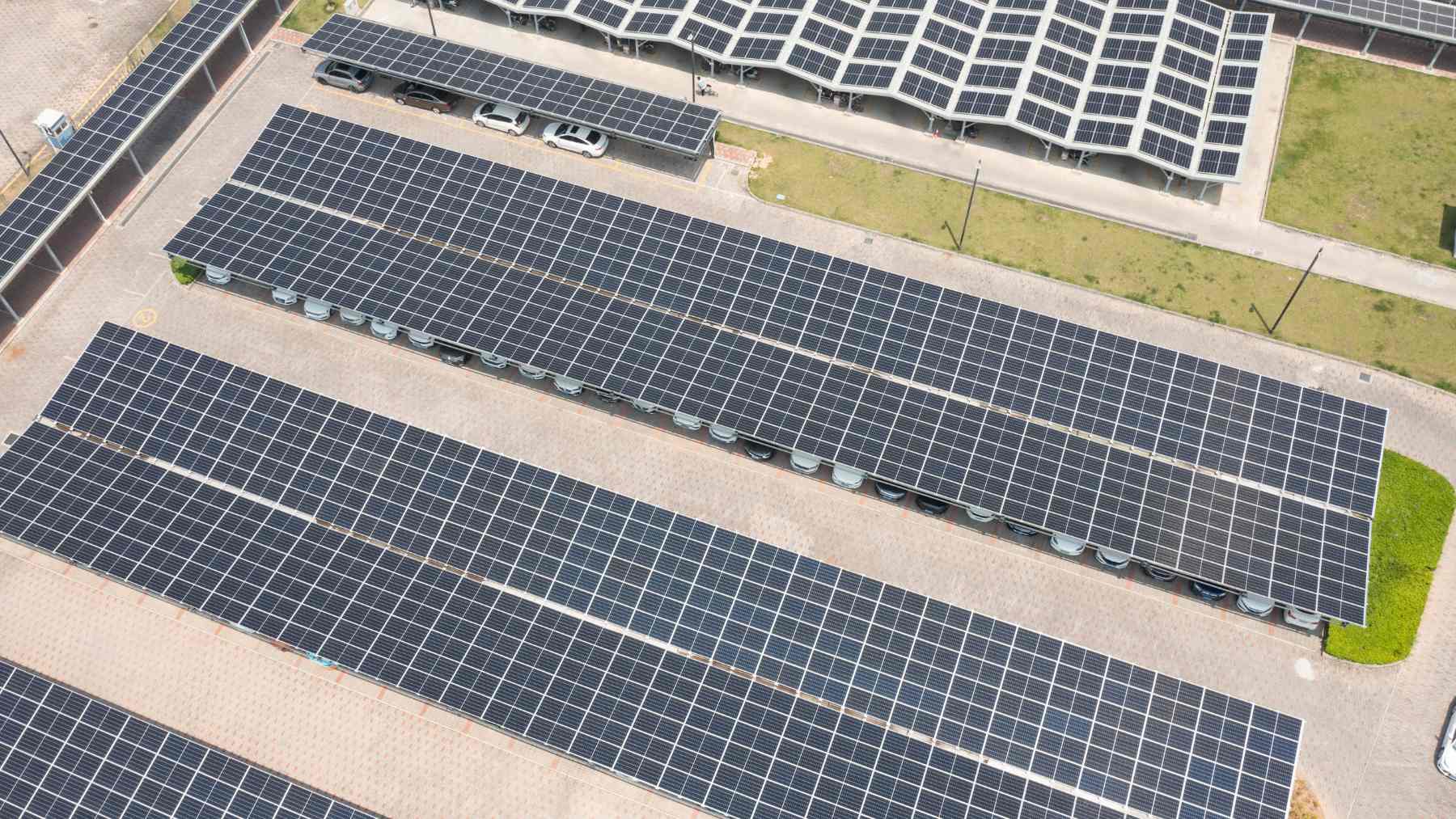
The device is operated on clean (eg. solar or wind) energy, thus completing the loop of clean energy generation. Using a very simple but powerful structure, the DAE can produce uncontaminated hydrogen without necessarily being competed for water resources, which is a huge issue in water scarce areas.
Direct Air Electrolyser conveys hydrogen creation to water-scarce zones
Among the most promising benefits of this new technology is its ability to extend hydrogen production to semi-arid and arid regions, an area often left out of the search for renewable energy technologies. These areas, while limited in terms of water supply, are typically endowed with good solar and wind supplies.
According to this, the DAE may allow these sections to make use of their own sources of renewable energy (just like the production of pink hydrogen in the Pacific), producing hydrogen to use on site or export as green hydrogen. Tests have demonstrated the DAE’s impressive capabilities.
Over 12-days trial, the device resulted in close to 750 L of hydrogen per m2 per day, not even with dry conditions of up to 4 relative humidity. It demonstrates the considerable potential of air as a source of water for producing hydrogen. Having the capability to be used in environments where it would otherwise be impossible, the DAE may offer an effective and environmentally sustainable path to meet the world demand for clean energy.
Utilizing airborne water: A discovery in universal hydrogen creation
Hydrogen, a fuel and an energy storage technology in its pure form, is already present in nature. There is almost 13 thousand million tons of water in the sky at a moment, all over the world. Even in desert areas, such as the Sahel in Africa, where water might appear too scarce for H production, the atmosphere contains enough water vapour (approximately 20% rh) to be extracted for electrolysis.
Due to the massive amount of hydrogen in the air, hydrogen could potentially be produced almost everywhere on earth. The invention of the Direct Air Electrolyser is a notable step toward increasing the accessibility of hydrogen production.
This technology, exploiting the moisture content in the air, has the potential for broad scale production of hydrogen in regions where freshwater is either scarce or inaccessible. With the increasing advances and scaling of technology, the ability to synthesize hydrogen from air may be enormous, changing the world power paradigm.
The Direct Air Electrolyser has the potential to transform hydrogen production by stripping water from the atmosphere to overcome freshwater shortages. This innovation allows hydrogen production to become a reality in arid environments and thus contributes to the transition to a sustainable, carbon-neutral energy landscape (such as the solar hydrogen found after decades). Dwelling further, hydrogen from air may serve as an important global energy source.