Geothermal energy is a long-preserved energy source and holds immense promise for clean and sustainable power in the future. Currently, The Geysers steam field located in northern California gives a pioneering example of geothermal energy and its significant roles in the energy transition. However, the geothermal energy resource is still considerably underappreciated when compared with wind and solar and raises many questions about scalability and profitability.
The geysers: The world’s most extensive geothermal power complex
The steam field of The Geysers, lying in the Mayacamas Mountains’ embrace, is the biggest geothermal power generating complex in the world. It occupies an area of 45 square miles across the states of Sonoma Lake, and Mendocino and has powers that will ultimately help energize homes and businesses in nearby places like Marin and Napa counties.
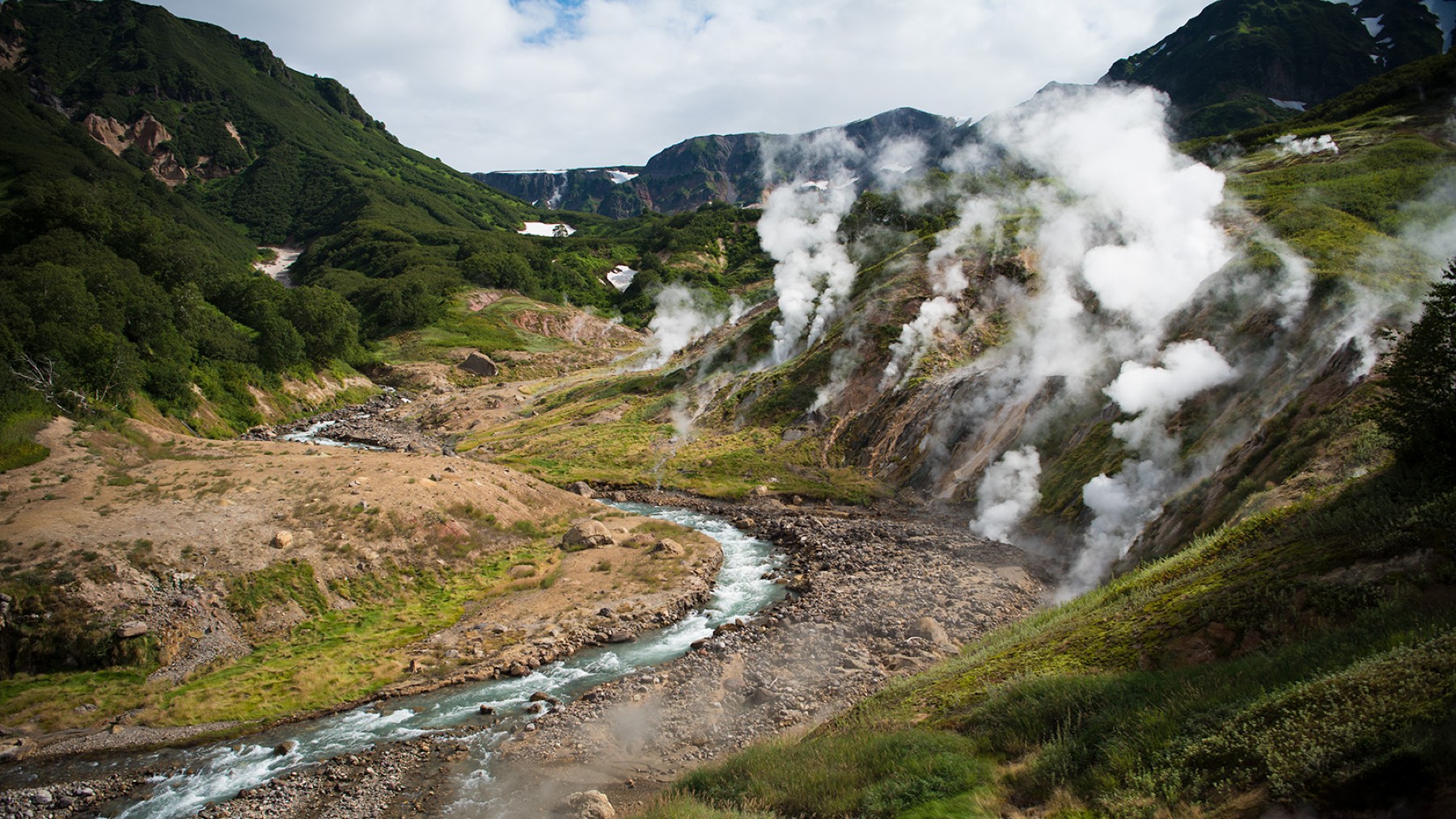
Unnatural geysers exist in this area contrary to the name under which it is labeled. It is actually because of this early fumarolic activity of steam venting from hot springs that it attracted the explorers. The Geysers are located on the periphery of the volcanic field of Clear Lake; these geothermal reservoirs are found mainly in a fractured greywacke sandstone.
The peculiar geology combined with the felsite intrusive body below will create the condition of steam production. The Geysers prove the practicality of geothermal power for dependable electricity in generation twenty-four hours a day through 18 power plants, which generate a total of about 835 megawatts of electricity. These show that steam reservoirs are tapped through wells to demonstrate how geothermal power converts the earth’s heat into a reliable power source.
Geothermal energy: This vintage renewable resource
Geothermal is a naturally occurring form of energy. Thousands of years ago, ancient civilizations would create hot springs into public baths; the Romans had hot water utilized by their buildings for heating. It was in the latter part of the 19th century into the early part of the 20th that geothermal heating came into play, with the first commercial power plant opening in 1911.
Geothermal energy has a long history, but it has not grown as much as other renewables. It had at the end of 2021, a global installed capacity of just 16 GW. Key hurdles include high exploration and drilling upfront costs and problems transmitting heat over long distances because of energy losses.
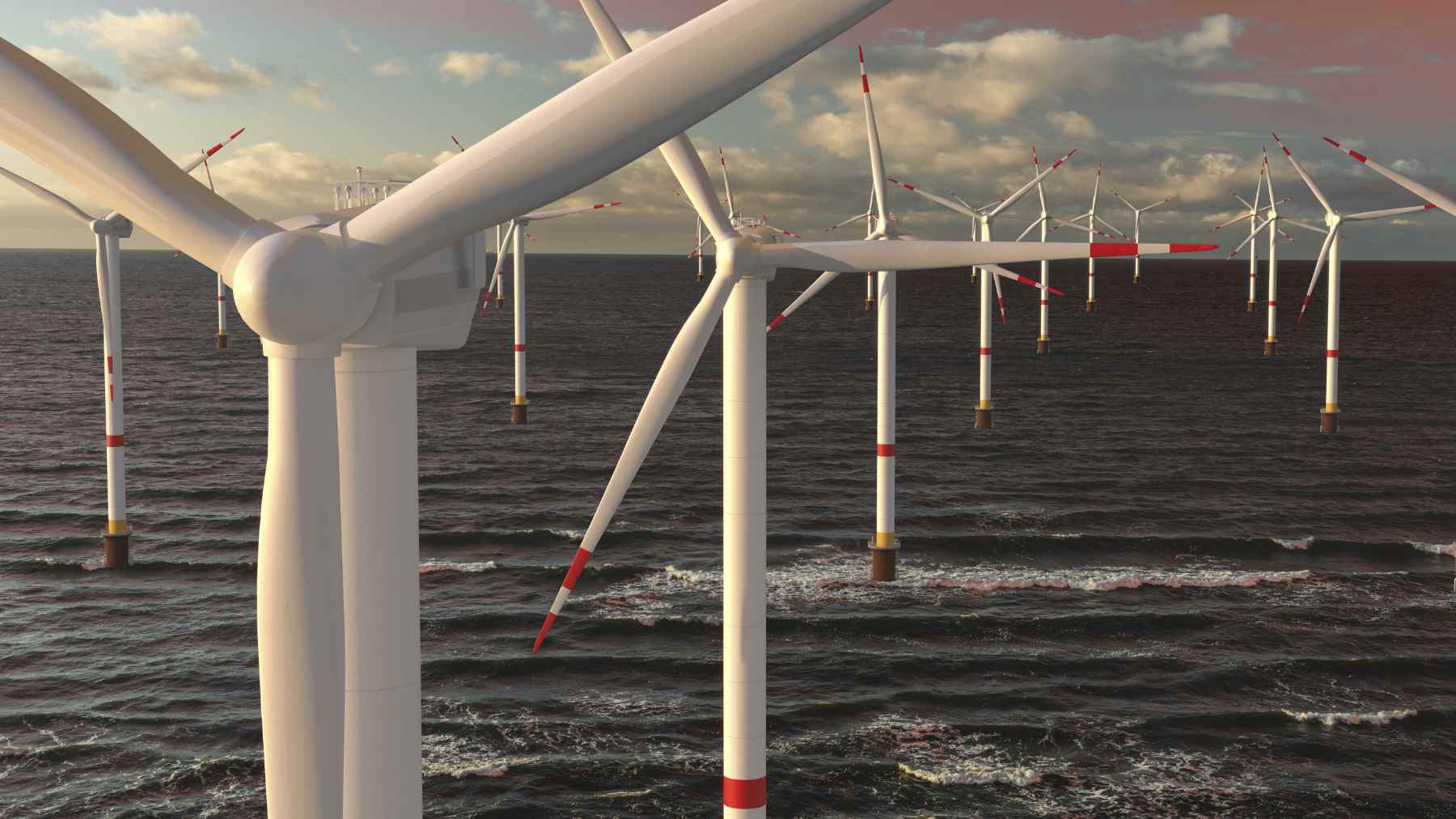
These barriers have further limited the technology to countries that do not have raft-of-the-at-capture hydrothermal resources. Geothermal energy will give some specific benefits. Unlike wind and solar electricity, it is weather-independent and thus provides steady supply, potentially filling the generation gaps left by non-dispatchable renewables. Such baseload potential for geothermal energy seems to put it on the critical path for global transitioning to cleaner sources of energy.
Promoting geothermal energy through modern technology innovations: Hurdles in the new age of solution
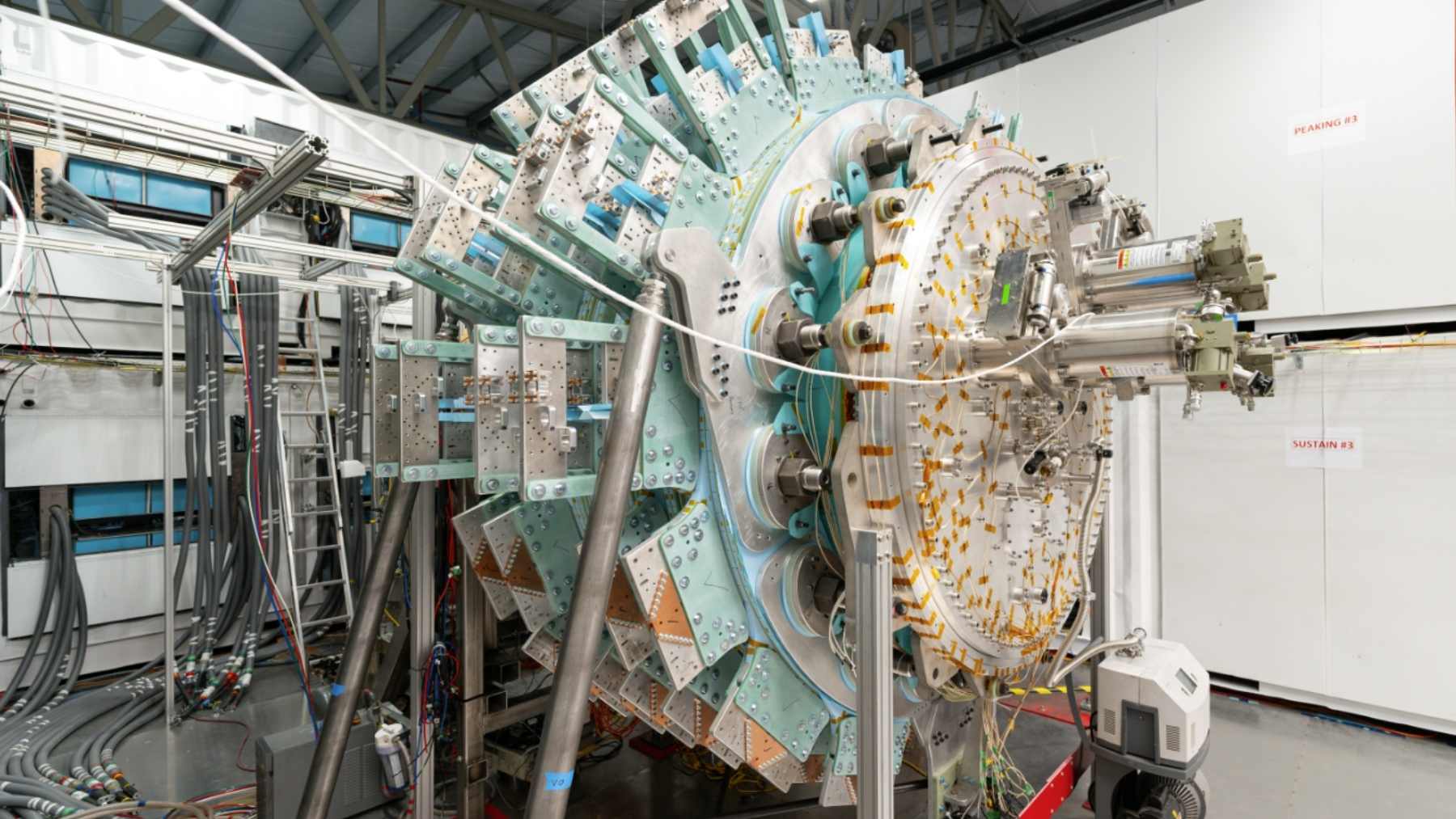
Advanced technologies are being tapped by geothermal energy to address the challenges it faces. Drilling and reservoir management innovations have really reduced the cost and improved the performance. It has also become easier to identify viable geothermal sites for development using advanced exploration tools thereby reducing the financial risk associated with development.
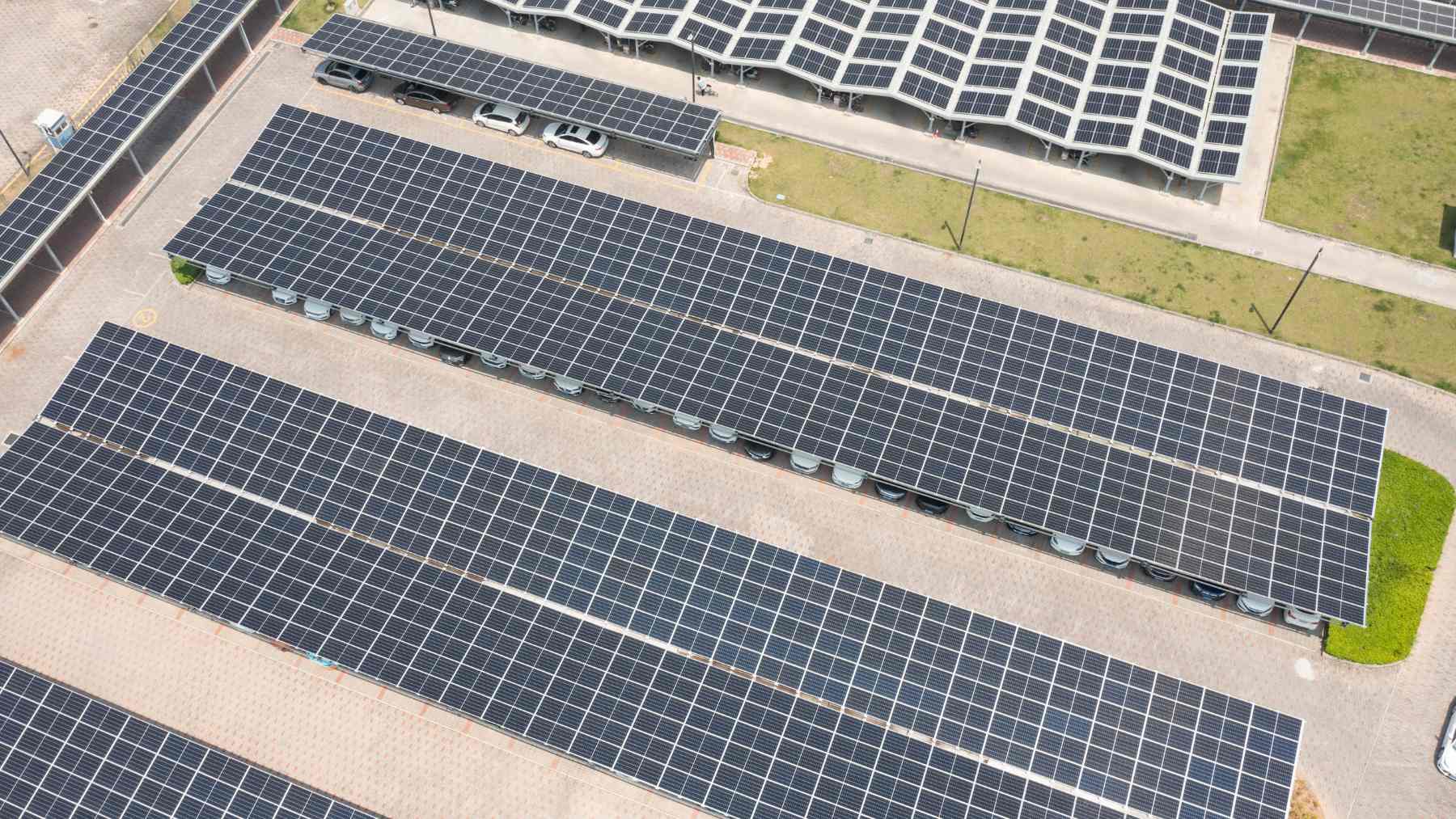
Among the most promising advances is Enhanced Geothermal Systems (EGS). Unlike previous systems that always relied on natural reservoirs, EGS forms artificial reservoirs by injecting water into hot, dry rock. This would let geothermal resources be tapped even in areas previously deemed unsuitable, vastly expanding its geographic applicability. Hybrid schemes using geothermal with other renewable resources, such as solar, are also being developed.
These approaches would improve the integrated resource utilization and capacity improvement for the power plant. As these innovations further develop, they will ensure geothermal energy’s stature as a competitively scalable option in the world’s energy mix.
The Geysers and the geothermal sector have considerable potential concerning heat in the earth’s energy. Innovation addressing critical challenges is crucial to harness geothermal power as a key player in the transition to renewable energy.