Electric cars, or hydrogen cars as they were once called and touted as the future of the green car revolution, are recently being questioned in California. People who bought into the concept of zero-emission driving are now complaining of the high refueling costs and weak charging infrastructure.
The emergence of the hydrogen car scandal has drivers and policymakers wondering if the future will be hydrogen. Let’s take a closer look at what the hype around hydrogen is all about.
The big problem with California’s hydrogen car infrastructure
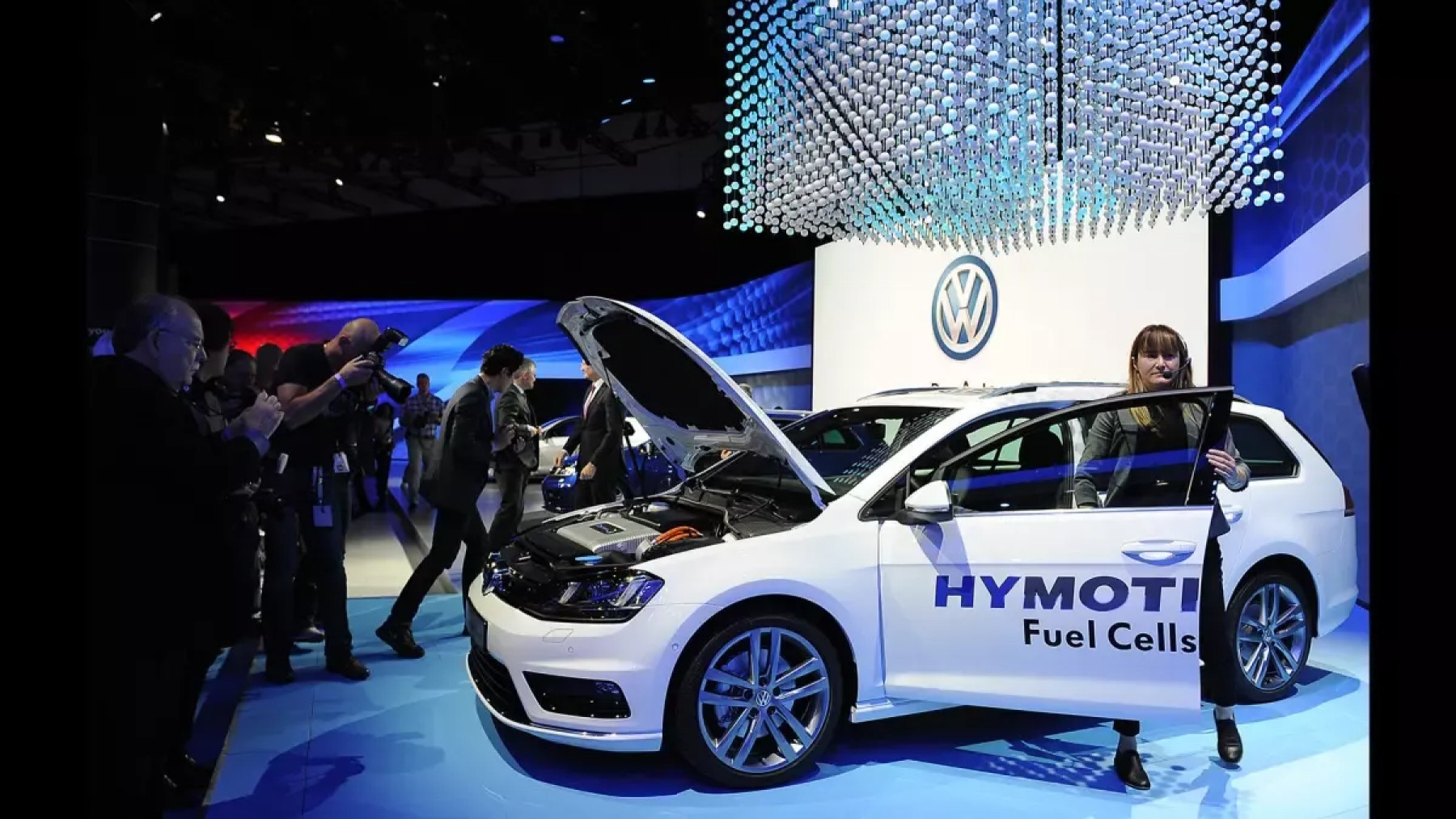
Recently, hydrogen cars such as Toyota’s Mirai received attention for their clean powertrain and faster refueling time than electric vehicles (EVs). These fuel-cell vehicles release merely water vapor and are driven using hydrogen fuel to produce electricity. They claimed that with ranges of between 350-400 miles per fuel tank, they would offer convenient and emission-free mobility.
But the actual situation has been quite the opposite. California’s hydrogen infrastructure is underdeveloped, with fewer than 60 operational stations, far from the 200 stations promised to operate by 2025. This has reduced the number of readily available refueling stations to a point where thousands of hydrogen car owners are in a fix.
The other stunning revelation of the hydrogen car debacle is the cost of refueling. Nevertheless, costs have risen significantly, and overall, hydrogen is now costlier per mile than gasoline on many occasions. Hydrogen prices stand at approximately $15 per gallon equivalent today, which makes the initially planned cheap and environmentally friendly fuel a costly necessity.
Such owners as Ryan Kiskis, who bought a Toyota Mirai in 2022, note that although the car has numerous advantages, refueling became a gross waste of money.
The backlash: Lawsuits and broken promises from automakers
Some of the disgruntled hydrogen car owners have sued Toyota for what they feel is deception when the automaker assured the public that hydrogen stations would be easily accessible. They said owners told them it would be easy, but many stations were closed or not working, and the gas was pricey.
That has put the current situation at a dangerous point, and several drivers have switched to using gasoline vehicles for daily use. Litigation remains to intensify, thus revealing the disparity between corporate pledging and consumers’ realities.
The lack of hydrogen stations is not entirely the automakers’ problem. California has committed over $260 million toward building the necessary hydrogen infrastructure, and development and growth have been prolonged. This task is delegated to companies such as Iwatani, Air Products, and True Zero, which are funded significantly by the state.
Currently, only 54 stations are in place, and the expansion is still quite limited, so the infrastructure situation is far from satisfactory. This has raised questions about the state’s plan to make California carbon-neutral by 2045, with hydrogen as one of the main components of its zero-emission plan.
Will hydrogen cars ever become a mainstream option?
Hydrogen fuel cells are an exciting concept as an alternative to battery electric vehicles, though the technology’s future depends on supporting stations’ development and cost reduction. The dissatisfied drivers are an increasing problem for the California Energy Commission and private hydrogen suppliers.
Higher funding commitments, increased regulation, and, most of all, clear performance indicators are needed to prevent similar situations in the future. The ongoing class-action lawsuit against Toyota might become a game-changer for hydrogen vehicles, and regulators and automakers might strive to meet customers’ demands and act sustainably.
The failure of hydrogen cars in California has again brought out the question of where technology ends and infrastructure begins. It started as a revolutionary approach to drive green technology in the transport sector and is now a nightmare to many motorists.
If refueling opportunities are not cheap and hydrogen cars are unavailable, they may not spread beyond California, raising the stakes in future transport schemes. It is still a very distant dream of a hydrogen future, but without much more backing, it will turn into a sad story of a failed attempt to create sustainable technology.