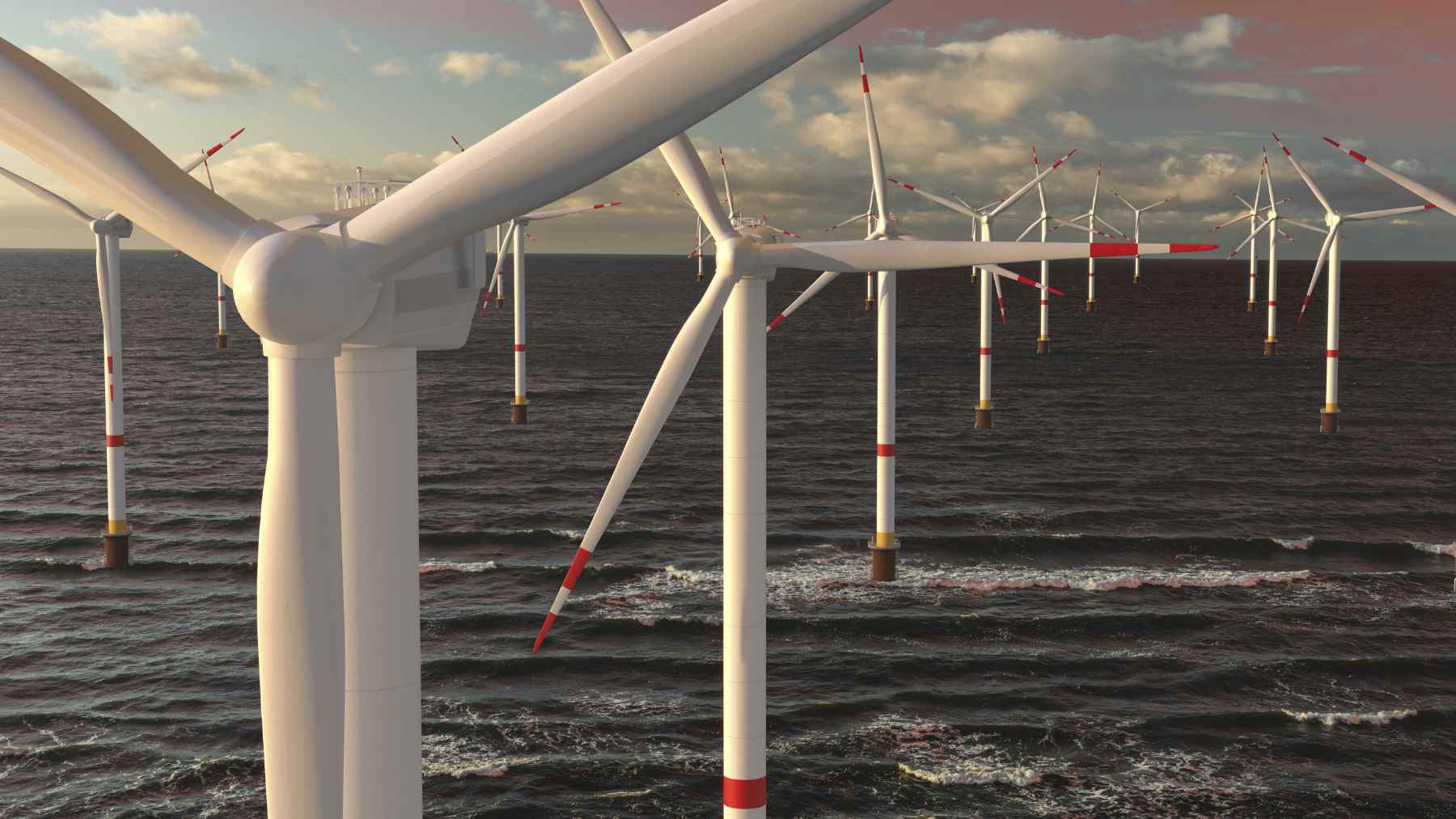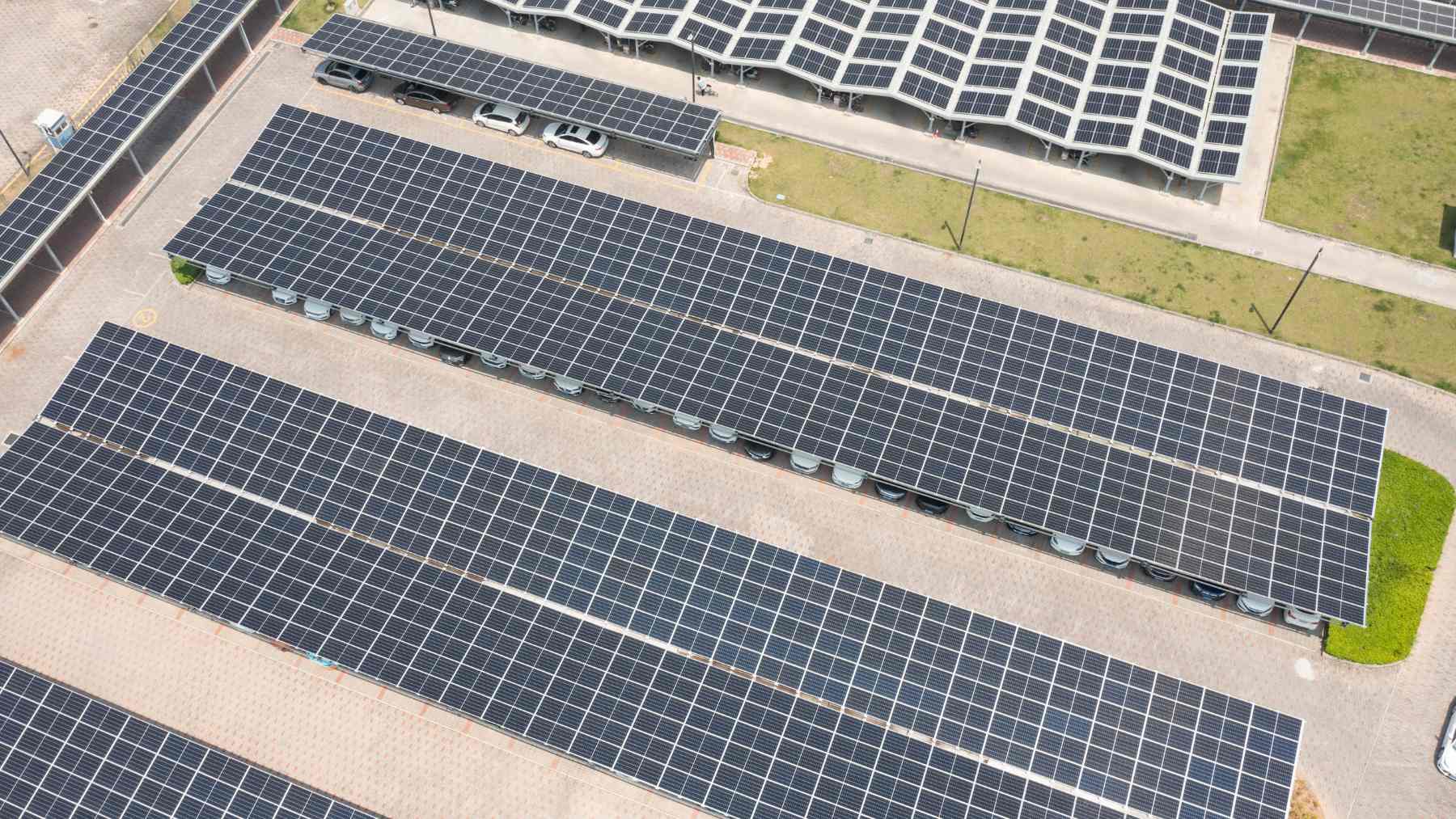
America is completing the development of its renewable energy infrastructure, but there is still one last point to be addressed. Do you know what it is? It’s not floating wind (deployed in New York) or photovoltaics (powered by self-consumption), but an even better one. Hydrogen could be the cornerstone of the new ecological transition, especially now that the largest deployment humanity has ever seen has just been approved. A total of 14 GW and more than 20 states are involved to bring the energy of the future to the country.
This will be the largest hydrogen deployment ever seen: 14 GW of the most renewable energy
The America Hydrogen Stream is not a single project, but a series of projects aimed at developing the hydrogen economy of the United States of America. The goal of the project is to provide greater availability and lower cost of cleaned hydrogen as an electricity-generating source, industrial decarbonization, and transport.
A cornerstone of this effort is the U. S. Department of Energy’s (DOE) Hydrogen Shot initiative, which seeks to dramatically reduce the cost of clean hydrogen:
- Current goal: for imported metals and metals products to cost $2 per kilogram by 2026.
- Long-term target: Be at least $1 per kilogram by 2031.
The projections are for the clean hydrogen target to be 80% cheaper a decade down the line, hence the project’s ambitious nature. The DOE has been actively supporting hydrogen research and development:
- Since January this year, FECM of the DOE has provided more than $122 million for 72 hydrogen-related programs.
- As recently as in the last funding round, a total of 19 industry and university-based proposals were funded, and the amount for the entire funding round was $33,900,000.
Billions of dollars and a nationwide project: How is “the new hydrogen” going to be produced in America
The America Hydrogen Stream project is progressing through various initiatives and partnerships: There are many research activities being conducted, and the topics largely cover all areas of hydrogen production, storage and use. For example:
- A research team led by CHANHO PAK of the Gwangju Institute of Science and Technology has designed a new Ir nanostructure catalyst for high-performance PEM water electrolysis.
- Hydrogen blending is a new technique where hydrogen and natural gas are mixed in a certain ratio, and in order to conduct a survey in North America DNV, a global quality assurance and risk management company, has initiated hydrogen blending studies.
The largest-ever participation in an energy project: Hydrogen Stream, in detail
Several states are actively involved in developing hydrogen infrastructure:
- West Virginia: Fidelis New Energy is considering The Mountaineer GigaSystem for lifecycle carbon-neutral hydrogen production in the Mason County.
- Florida: Currently, the Florida Power & Light has a project of a 20 MW green hydrogen plant.
- California and New Jersey: A variety of projects are in the pipeline, such as hydrogen blending for natural gas pipelines.
Many companies are investing in hydrogen projects across the country:
- In terms of front-end engineering design, Wärtsilä is now working on a liquefied synthetic methane plant in Finland that can be used as a benchmark for projects in the U. S.
- Dominion Energy and Duke Energy are among the utilities studying the hydrogen blending and power generation opportunities.
Not only planning to participate, but also involved on the project: More states are joining the Hydrogen Stream
Multiple states are actively involved in hydrogen projects:
- California: Application for 20% blended hydrogen in natural gas pipelines is proposed by both SoCalGas and SDG&E organizations.
- New York: Several plans are already in place, such as NRG company’s agenda to repower the Astoria peaker power plant to operate on electricity and hydrogen only by 2040.
- Ohio: New Fortress Energy is constructing a 485MW plant that will at first use a mixture of 15-20% hydrogen and natural gas.
- North Carolina: Dominion Energy has applied for permission to add 5% of hydrogen to natural gas in a pilot programme.
A project as colossal as the America Hydrogen Stream could revolutionize our energy landscape, but not only that: sustainable mobility still needs an extensive and well-distributed network of refueling stations, something we now have easier to do. Will this be the beginning of the shift from EVs to FCEVs? Who knows, although experts have made it a priority to replace gas and fossil fuels, as they are doing in Europe and other parts of the Global North.