Renewable energy in America is skyrocketing, and that’s great news for the whole country. However, we can be optimistic about the hydrogen deployment we told you about earlier this week, although it’s not all good news. In parallel, they just approved a project that will revolutionize banned energy across the country. A total of 100 GW could become the worst mistake in our history, and that has just been a step backwards, according to organizations such as WWF, which have described it as a ‘false narrative’.
America is on edge with this energy: It’s not a good idea, and it could be a huge mistake
Thus, the Fire Grants and Safety Act, which has become a new law sponsored by President Biden, presents a brand-new turn in American’s energy policy, especially in the sphere of nuclear energy. This omnibus legislation, parts of which are formed by the ADVANCE Act (Accelerating Deployment of Versatile, Advanced Nuclear for Clean Energy Act), seeks to redefine nuclear energy.
Fire Grants and Safety Act is not a one-dimensional law; it goes beyond its title, which concerned fire protection. It designates a clear effort intended to advance and adapt gradually advanced nuclear systems.
- Regulatory Streamlining: The Act requires NRC to fast track the issuing of licenses that relate to the new nuclear technologies. This involves minimizing the regulatory expenditures incurred by firms that intent to commercialize the modern nuclear reactor.
- Incentive Programs: To encourage the introduction of designs of next generation reactors, the legislation provides for a ‘prize’ for successful implementation.
- Fuel Development: The NRC is to improve its performance in terms of qualifying and licensing accident-tolerant fuels and advanced nuclear fuels.
- International Collaboration: The Act gives the NRC primacy to marshal in international bodies to create regulations for next-generation nuclear reactors.
- Export Process Improvement: The Department of Energy is tasked to enhance the procedures regarding the authorization of export of American nuclear technology in the foreign markets.
95 nuclear reactors and a terrifying landscape: What could happen in America within next years
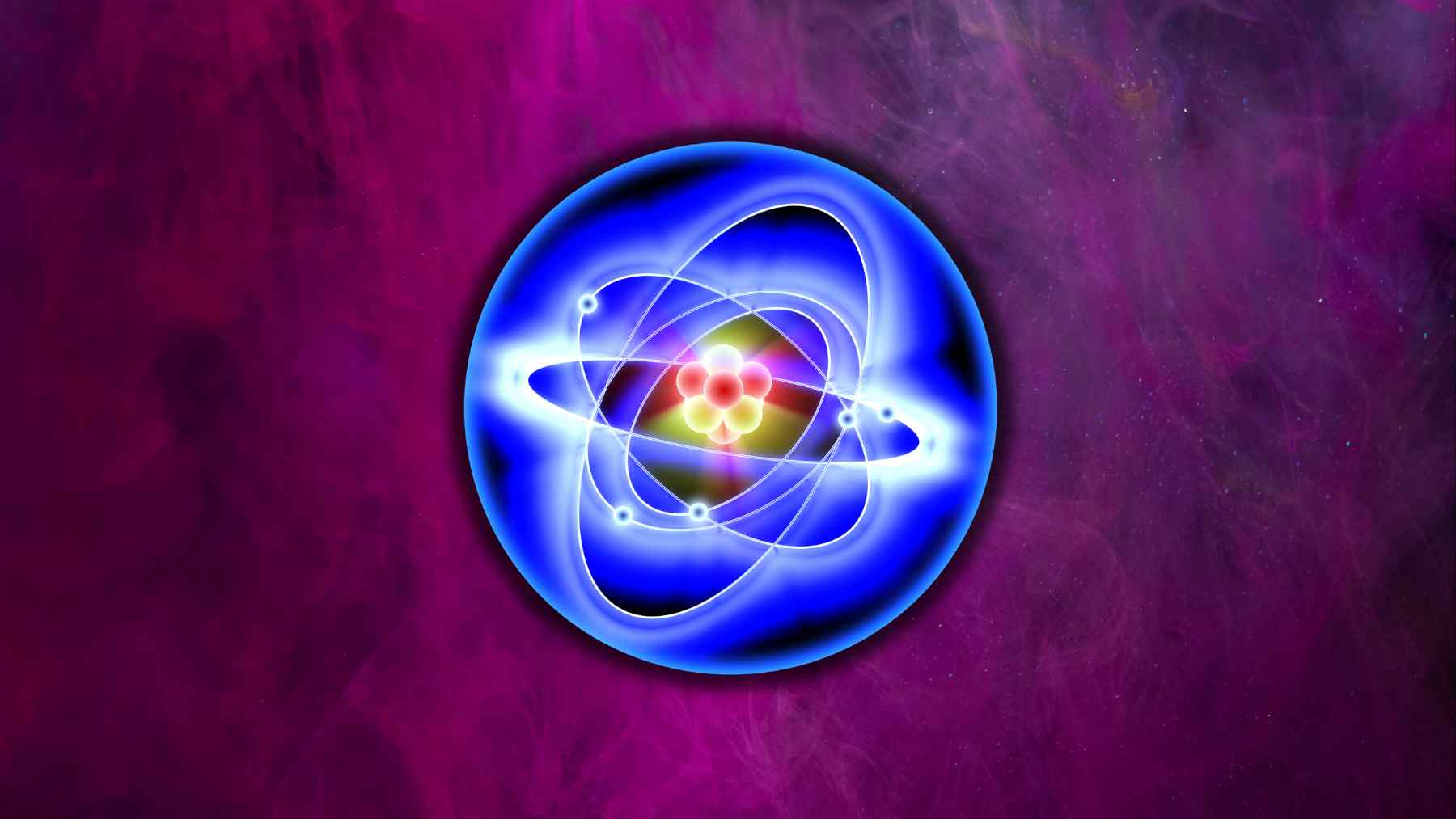
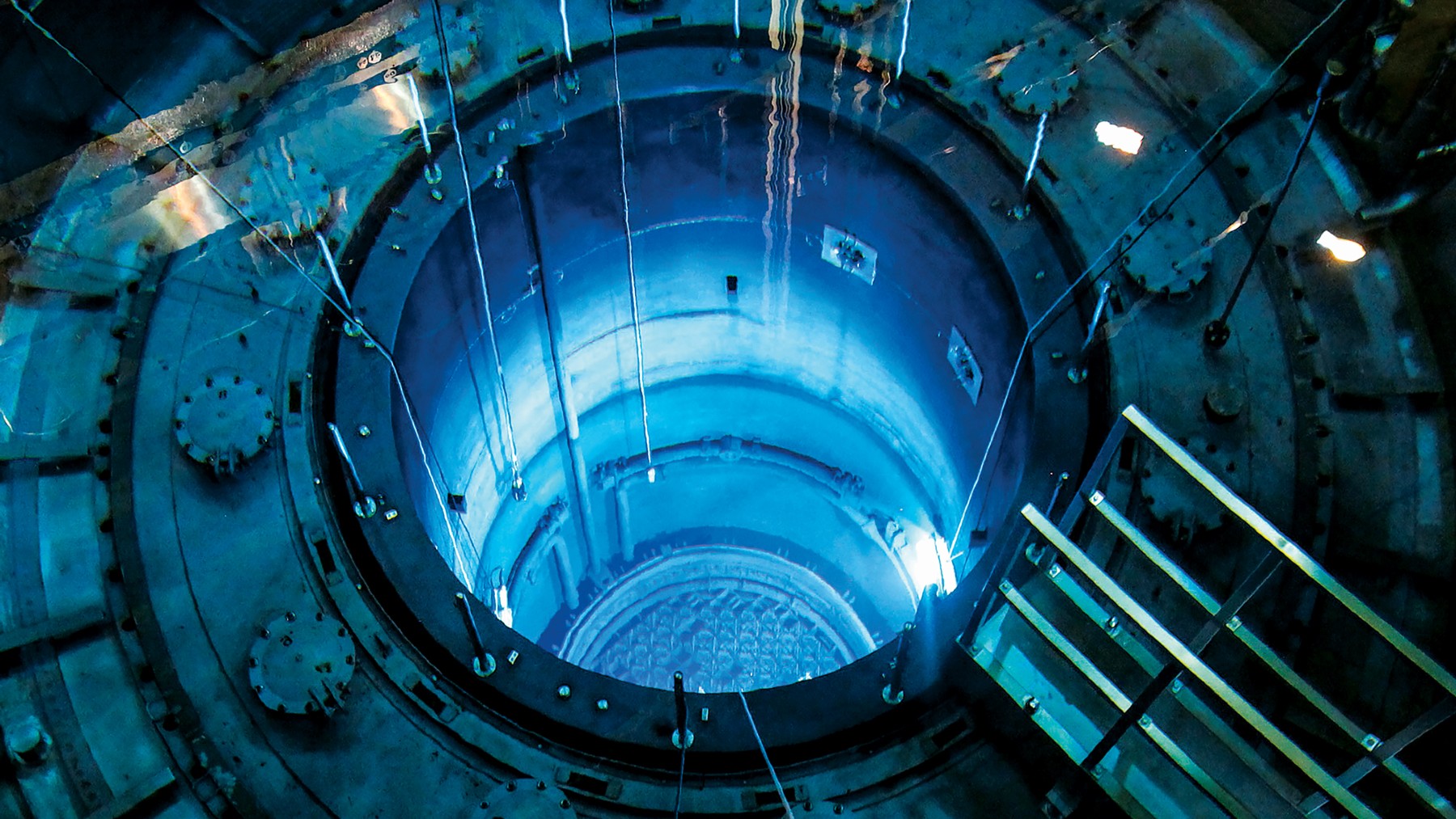
Although one cannot find concrete numbers of new nuclear capacity, the overall goal of the development and use of advanced nuclear technologies in the generation of electricity points to a more than proportional expansion of nuclear capacity. Nuclear power today is still predominant in the U.S., where approximately 95 operating commercial nuclear power reactors are situated.
What is more, the ADVANCE Act is designed to promote development of new advanced reactors which can create significant reserve of capacity in nuclear industry. But the actual number will heavily depend upon the number and scale of the new reactors that will be built with the help of this new, less stringent regulation scheme.
Fire Grands and Safety Act, the biggest-ever mistake? What can we expect (and what experts fear)
The implementation of the Fire Grants and Safety Act, particularly its nuclear energy provisions, sets the stage for significant changes in the U. S. energy landscape:
- Accelerated Reactor Deployment: The recentONE STEP policy is also predicted to enhance the development of complex nuclear reactors including SMRs through the deregulation of the licensing procedure.
- Fuel Innovation: The effort put into accident-tolerant as well as superior nuclear fuels could result in more secure reactors and better reactor utilization.
- International Leadership: The Act puts the U. S. into the vanguard of global regulations of newer generation nuclear technologies.
- Job Creation: The nuclear power business is believed to bring thousands of new employment opportunities for people from all fields needed in the construction and maintenance of the new nuclear power plants.
- Emissions Reduction: Ministers expect that the new nuclear reactors will help a lot in attaining the target of net-zero economy-wide emissions by 2050.
The future will show whether nuclear energy was a good option, although we are sure that it is not. Has no one thought that we have enough renewable sources to supply electricity to the whole country? From wind to photovoltaic, from hydrogen (not the current one, but the one we will develop in the short and medium term) to geothermal energy, all are options for the future. So why go back to the same source that caused the chaos in Fukushima? That is what millions of citizens are thinking right now.