America is already thinking about what the energy of the future will be, and it seems to be a more familiar one than you think. A source even more powerful than hydrogen? It could all happen now that a group of experts has just confirmed a 100-year-old myth that is on this coast of our country. They qualify it as “floating energy“, and say that it is called to produce clean electricity for millions of people, with an almost null affection for ecosystems and a much lower production cost compared to the feared nuclear ones.
America has confirmed this 100-year-old myth: Experts cannot believe what we have found on the sea
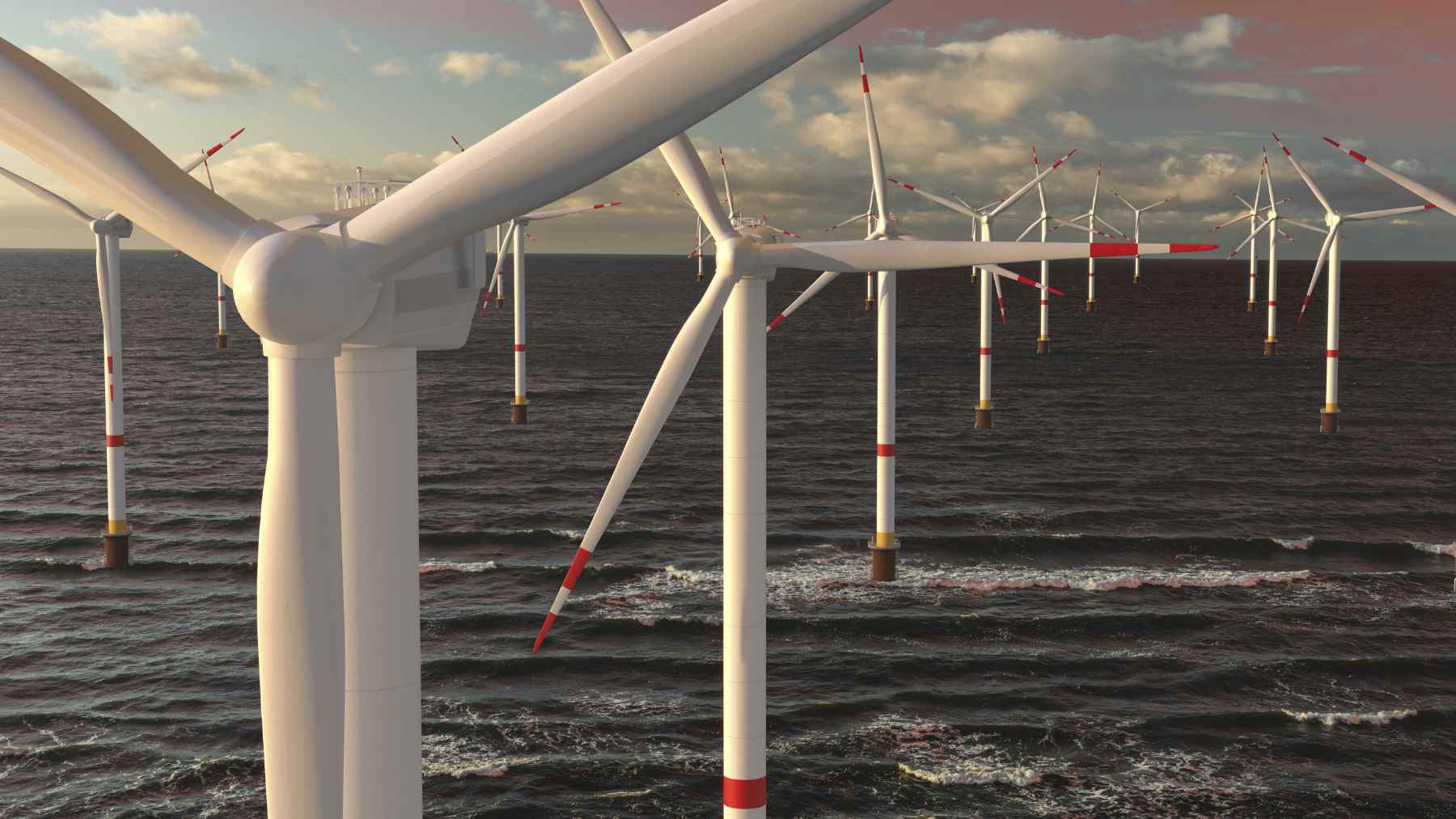
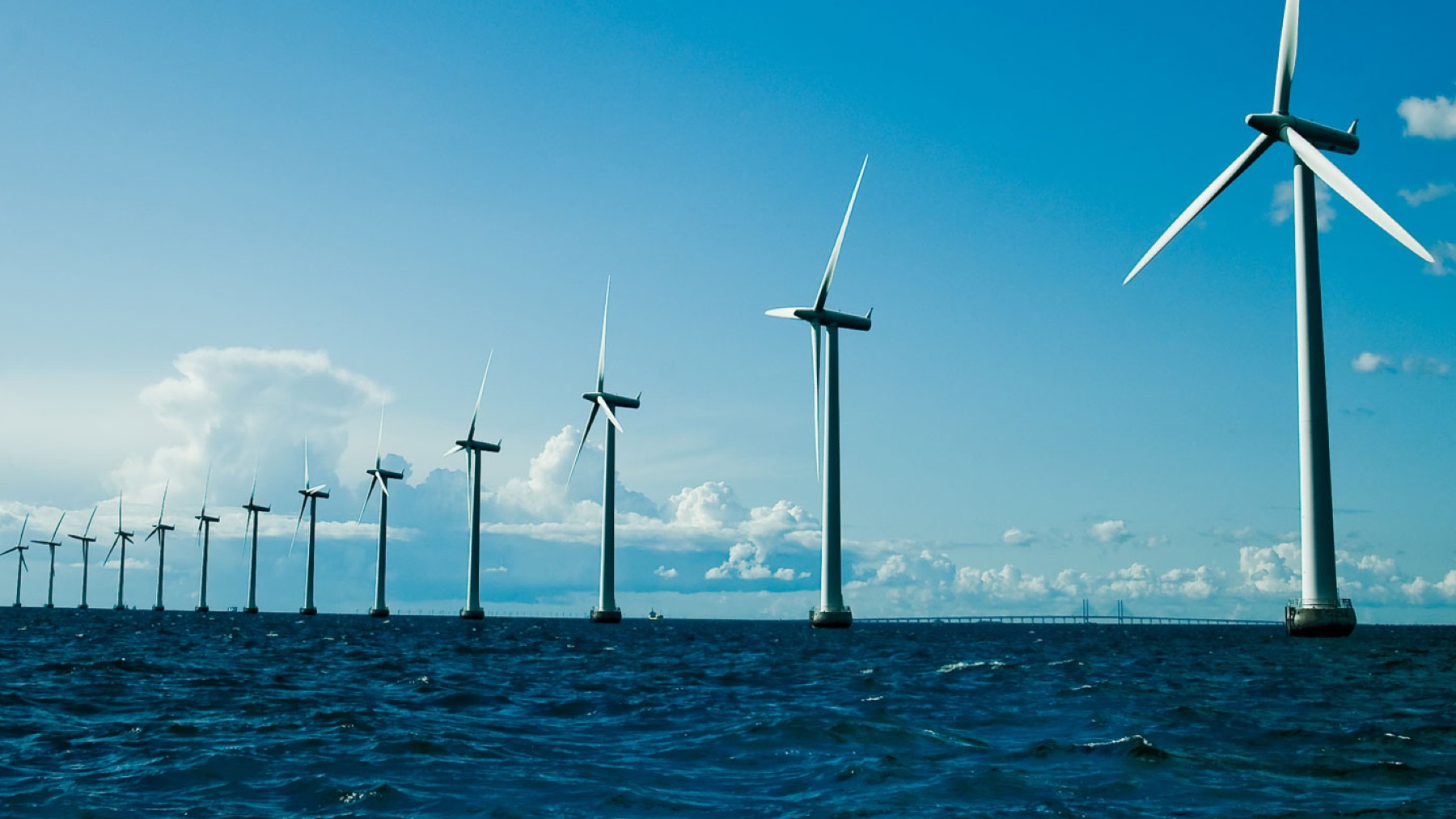
America is ready to maximize the vast potential of offshore wind energy as the nation’s demand for electricity, and push towards decarbonization, continue to rise. Therefore, offshore wind farms, because of their prospect of capturing a more progressive and stable powers of wind, provide a promising way of generating large-scale clean and renewable power.
At present, the United States still has a limited offshore wind generating capacity of only 42 MW, most of which is the Block Island Wind Farm located off Rhode Island’s coast, as clarified by NREL. Nonetheless, the country is currently on the precipice of large-scale offshore wind energy generation.
Up to 1 GW of energy “floating on the sea”: How it could change the way we produce electricity
Several large-scale offshore wind projects are in various stages of development along the U.S. coastlines:
- Vineyard Wind 1 (Massachusetts): This 800 MW project will be the first offshore wind farm of utility scale in the United States, which is just 15 miles off the coasts of Martha’s Vineyard.
- Ocean Wind 1 (New Jersey): Credits for this 1,100 MW project go to Ørsted, and it is expected to be positioned 15 miles off Atlantic City’s coast. The fund is set to be in operation by 2024.
- Dominion Energy’s Coastal Virginia Offshore Wind (Virginia): This project will entail 2,135 MW, which is currently the largest announced offshore wind project in the United States of America and whose location will be 27 miles from Virginia Beach.
- South Fork Wind Farm (New York): An offshore wind power project of 130 MW has been planned by Ørsted and Eversource and this will be 35 miles east of Montauk Point, Long Island. It is lined up for completion by the year 2023.
These states have “white giants” producing floating offshore wind energy in America
Several states have emerged as leaders in offshore wind development, with the most promising opportunities being:
- New York: New York thus has the greatest aim of 9 GW by the end of 2035, which is the biggest objective of any state in the United States. The offshore wind resource of the state is calculated to be over 39 GW.
- California: The offshore wind resource of California is assessed to be more than 11,200 MW, mainly off the central and northern coastal regions. The state plans to have installed 5 GW of offshore wind by 2030.
- Texas: The offshore wind power resource of Texas, which has a 2498 km coastline along the Gulf of Mexico, is said to be more than 130,000 MW. The state is particularly keen on finding opportunities for Offshore Wind Farming.
- Virginia: Virginia thus has a goal of 5. Thus, the UK offshore wind target is 2 GW by 2034. The technical offshore wind resource of the state is more than 21 thousand MW.
- North Carolina: Based on potential calculations, North Carolina has a potential of over 55 GW, therefore it has a huge potential along its Atlantic seaboard.
Offshore wind energy in America is set to be a solution for the future, and the first projects are already underway. You may be wondering at this point: What is the 100-year myth that we have confirmed? You should know that a century ago, it was “predicted” that offshore waves optimized the conditions for generating wind energy, even with the small and rudimentary wind turbines that had been designed at the time. This is, therefore, a proposal for the future that was anchored in the past.