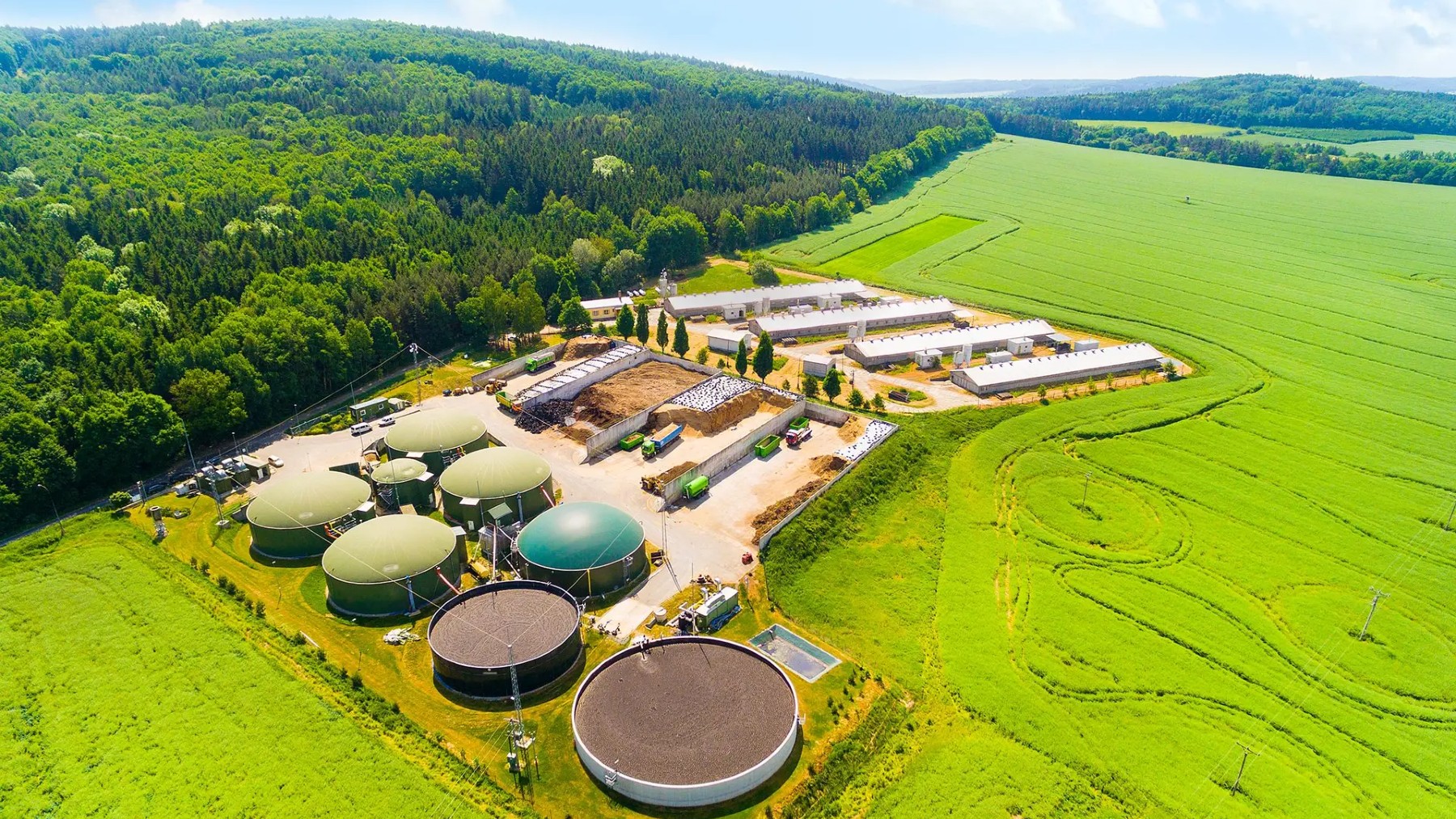
It’s remarkable that as the global energy transition intensifies, America embraces using clean technologies to deliver energy. This charge is being led by states such as Colorado, which recently announced a brilliant strategy for developing biomass for generating electricity. In addition to providing information concerning important and emergent environmental issues, this approach helps underscore the state’s commitment to renewable energy and improving the overall quality of life for its communities. Here is how Colorado has stunned the world with its daring plan to legalize Marijuana.
This groundbreaking energy plant turns coal into renewable biomass energy
Hayden Generating Station of Xcel Energy, the largest utility company in Colorado, plans to convert the existing coal-fired power plant into a new advanced 19 MW biomass power plant. This is apparently under the company’s $15 billion Clean Energy Plan that seeks to double the state’s clean energy capacity by 2030.
When burned in the open, the biomass plant will use forest residuals, fire breaks, and beetle-killed timber, all sources that reduce greenhouse gas emissions. The construction work is set to start in 2025 and to begin functioning by 2028. This ambitious project highlights Colorado’s focus on green energy.
The Hayden Biomass Project is notable for making renewable energy and serves as a complete environmental management strategy. Another advantage of the plant is that it has minimized the dangers of out-of-control fires from forest residue and beetle-killed wood and prevented landfilling by processing waste materials.
This waste is turned directly into electricity, a far cry from polluting the air through open burning as is traditionally done. The facility will emit over 70 percent less than existing controls, enough electricity to power 36,400 Colorado homes annually. This makes biomass a carbon-neutral energy solution with enormous social and environmental value.
Job creation and workforce reskilling: How Colorado is supporting its communities
Another selling point of the Hayden Biomass Project is the assignment to foster community and workforce welfare. When the coal plants at Hayden Generating Station are closed in 2027 and 2028, Xcel Energy will ensure that the social impacts for labor and the region’s local economy are not negative.
The new biomass plant will fully utilize twenty-six employees while the remaining forty percent will be hired back. Also, Xcel has supported retraining employees, with about 80% of the skills for facility management already found in many workers. This helps workers transition easily and keeps the Yampa Valley’s economy stable. The Hayden Biomass Project is innovative, but it has difficulties too. Changing from coal to biomass, although needed, takes a lot of money and requires permission from regulators. Xcel Energy’s Clean Energy Plan is still pending approval from the Colorado Public Utilities Commission, and a decision is likely in December.
Overcoming challenges: Can Colorado lead the world in sustainable innovation?
Critics, including local economic leaders, have expressed concerns about the limited number of jobs retained through the project. spell 26 full-time positions will be created; this represents, to a lesser extent than one-half of the stream workforce at the Hayden station. Xcel has noted these issues and is looking into more clean energy projects for the area to generate more job options later.
As the world observes this significant experiment progress, Colorado’s role in renewable energy will likely motivate similar initiatives worldwide. The Hayden Biomass Project is not merely about energy production—it’s about changing the limits of what can be achieved in combating climate change. Through this effort, Colorado has surprised many and established a standard for sustainable advancement.