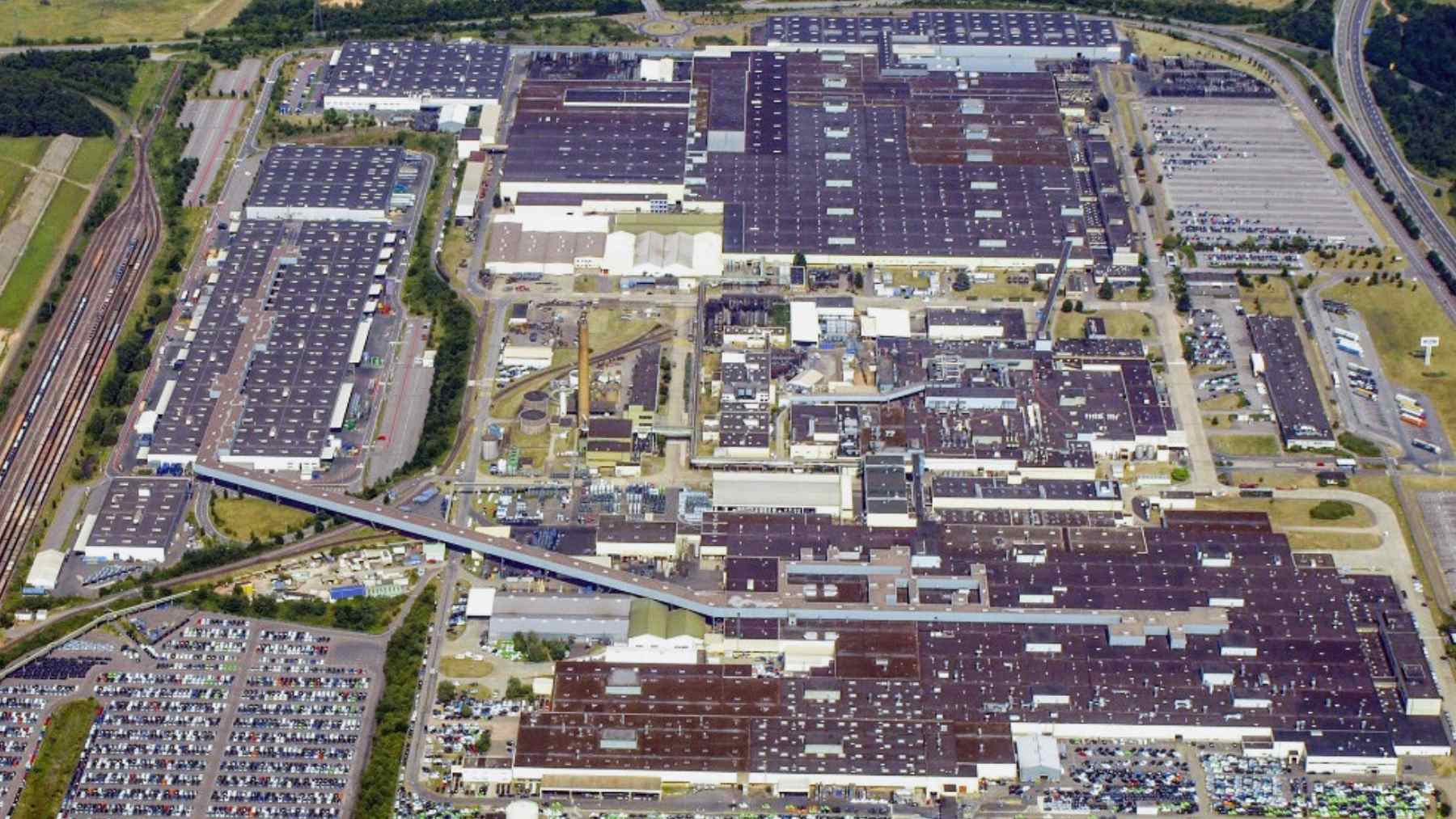
By stepping away from hydrogen, General Motors (GM) is redefining the global landscape. Due to an impressive $888 million investment in its Tonawanda Propulsion plant in Buffalo, New York, GM is showing an interest in the next generation of internal combustion engines while the entire automotive industry moves more towards electric and hydrogen power. GM’s investment signifies America’s willpower to adopt a hybrid path, striking a balance between advanced engine tech that focuses on electrification without replacing combustion completely.
The significance of the $888M investment
With such a large investment, GM is devoted to putting it towards the production and development of its sixth-generation small-block V-8 engine. The investment is not put towards a mere upgrade but to a full-on redesign that requires retooling and modernization of assembly lines.
The next-generation V-8 will power some of GM’s SUVs and heavy-duty trucks. The engine will be meant for the GMC Sierra and Chevrolet Silverado, which will dominate U.S. roads. The requirement is high-performance and high-torque engines that cannot be achieved by the current electric or hydrogen systems.
As stated by GM, the retooling process at the Tonawanda plant will happen over two years, with the older Gen 5 engines still being built up to at least 2027 in order to reach repair needs. The idea is to increase the timeline for electrification across GM’s large vehicle platforms while rejecting hydrogen.
Hydrogen trailing behind
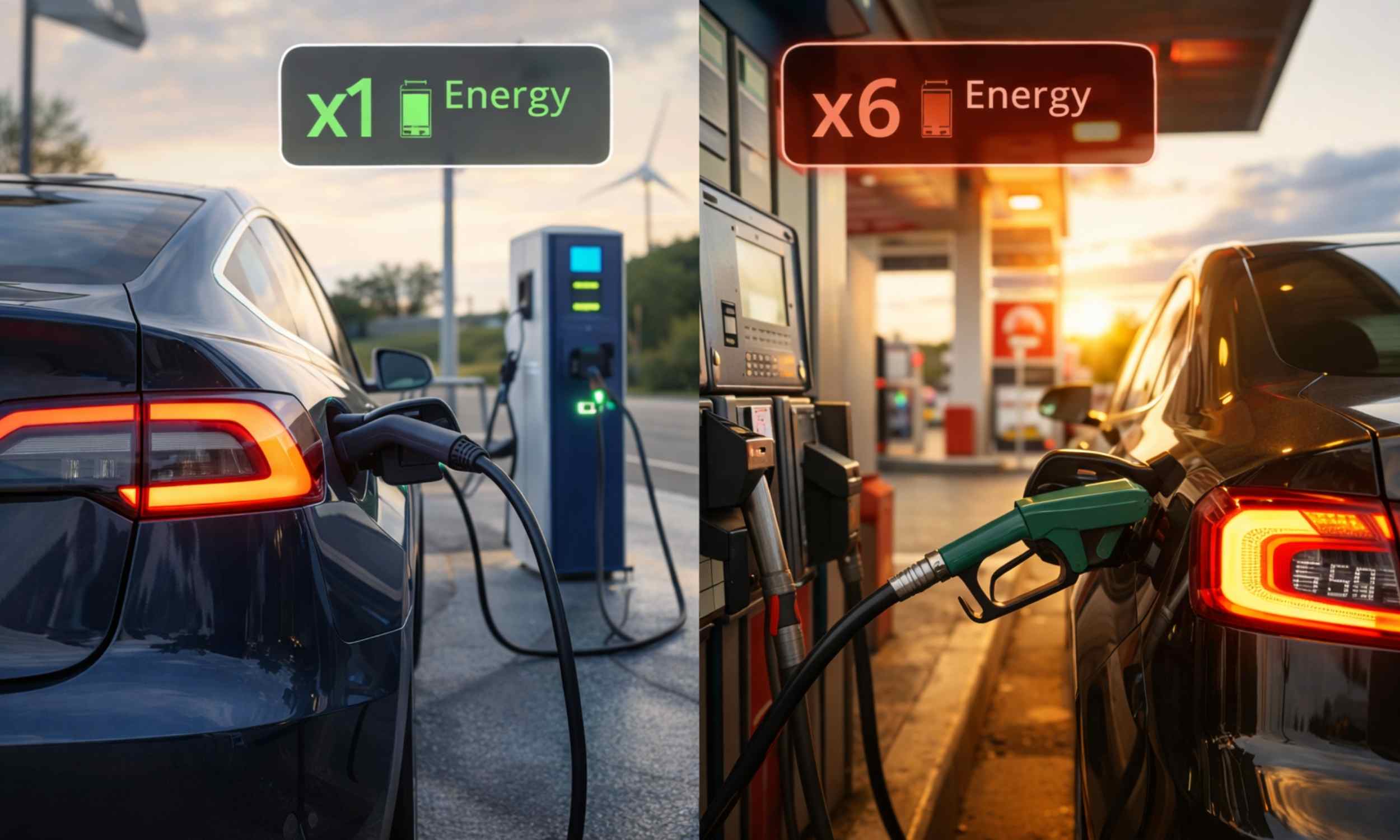
In sectors like aviation and trucking, hydrogen has always been the main contender competing with fossil fuels. Slow hydrogen adoption, particularly in the motor vehicle sector, can be attributed to a lack of fueling infrastructure and energy inefficiency when compared to battery-electric or combustion systems.
While GM has decided to double down on its V-8 program, the message is clear that hydrogen is not economically viable as yet, particularly throughout the U.S. automotive sector. GM seems to be in favor of future-proofing its combustion platform with vehicles that showcase high potential. GM is giving itself full flexibility to expand its EV production output while the market is still maturing. With this investment, jobs in legacy engine manufacturing are secured.
The question to ask is, will GM land in hot water for choosing the combustion alternative, or will GM reign supreme? Having already landed in trouble over engine discovery, GM cannot afford to land in hot water yet again.
Balancing engines, EVs, and economics
GM’s strategy with the Tonawanda plant’s retooling is part of GM’s broader economic strategy. Not too long ago, GM further invested $579 million in its Flint, Michigan, facility for the same sixth-gen V-8. GM is making targeted investments while scaling back some due to the volatility of the EV market.
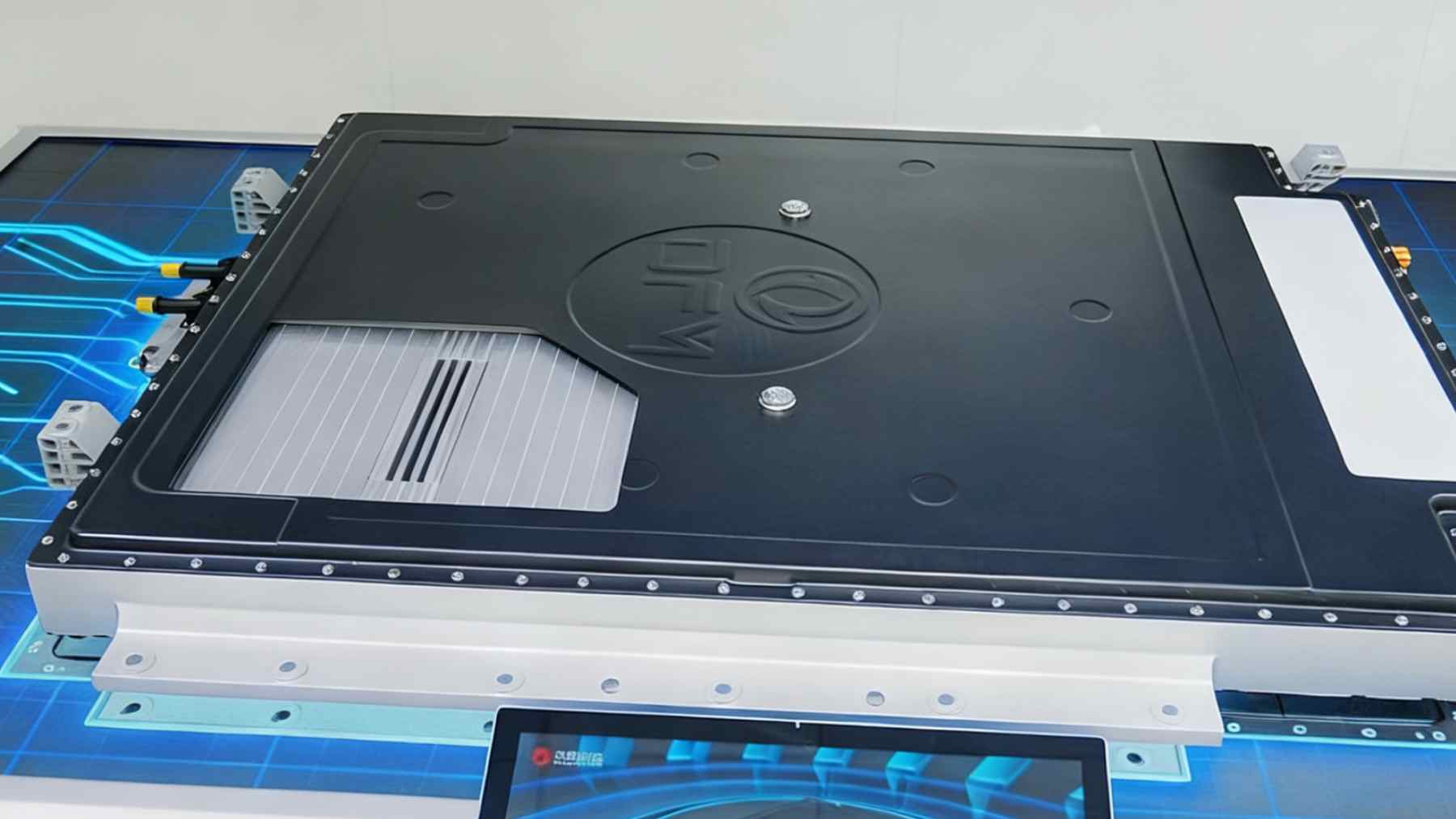
Going with the hybrid approach is a decision rooted in economics. While the biggest portion of GM’s revenue comes from SUVs, vehicles, and full-size trucks, GM realizes that hydrogen cannot meet its EV needs as yet. Combustion will rank high for GM until hydrogen can deliver performance at a reasonable cost.
Building momentum for the road ahead
With secret weapons being found in America that are not hydrogen, GM’s direction is not questionable. GM’s focus and the reason for the $888 million investment is not geared solely towards building a better V-8, but is a strategy in favor of making a bold statement. What GM is showing the world is that while the rest of Europe is moving towards and placing their bets on hydrogen and full electrification, GM will optimize the potential of combustion engines for EVs.
GM is not looking to abandon internal combustion for hydrogen. The company, by moving away from the hydrogen alternative, could redefine and reimagine powertrain strategies throughout the world. When hydrogen infrastructure starts to lag, GM Motors will still reign superior. America has not fully given up on combustion as yet, and combustion may very well beat hydrogen at its own game.