Innovation in renewable energy production has led us to “absorb” the wind with bladeless wind turbines, but also to “squeeze” the Sun with solar panels placed upside down. However, America has just achieved the impossible by creating electricity with water, something that has never before been considered on the planet. Here’s how we’ve done it, but here’s a sneak preview: we had to dry up a huge river to turn it into a gigantic electric battery that changes everything.
America has converted water into electricity: 7000 MW of renewable energy in our country
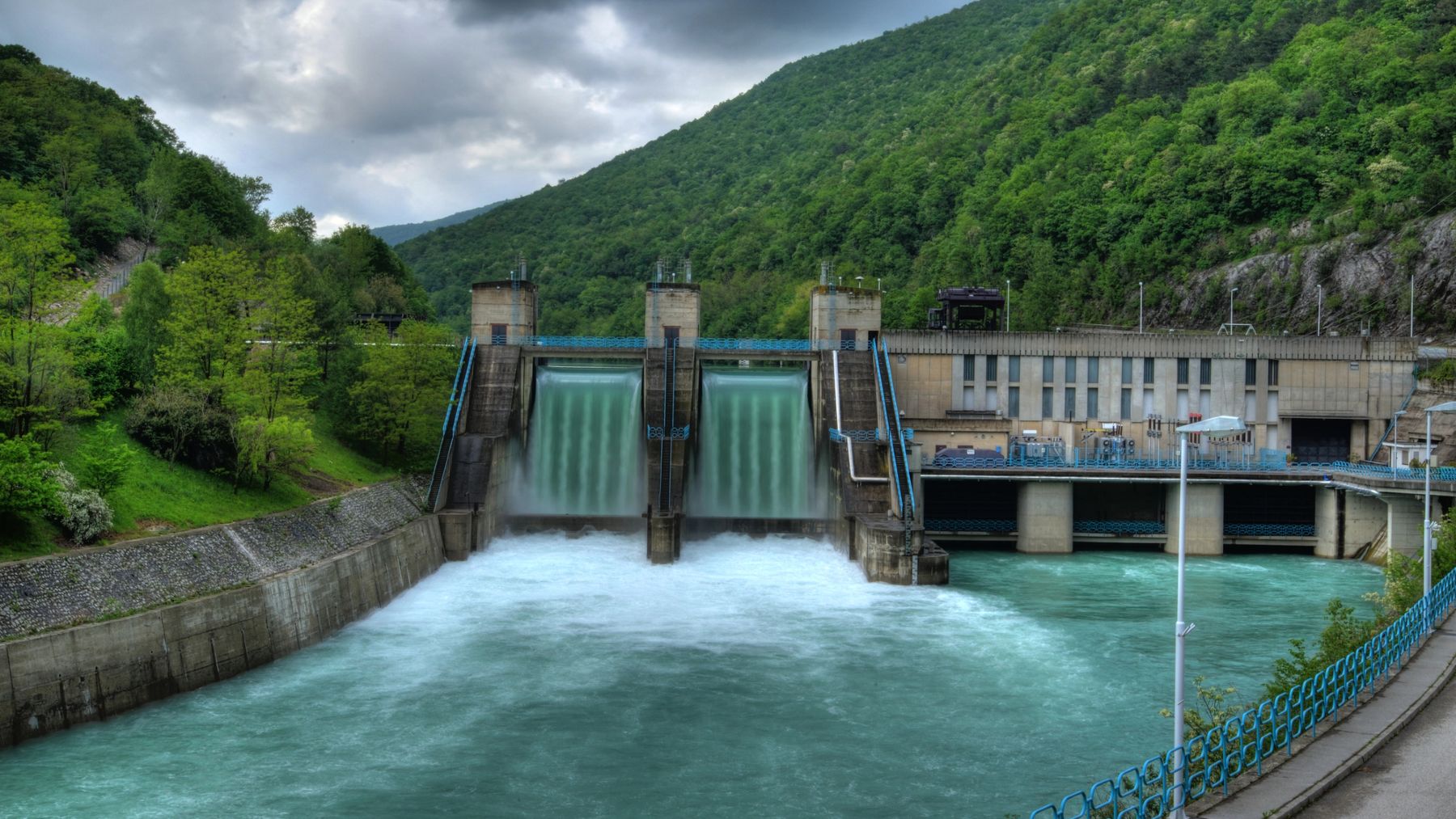
Grand Coulee Dam is the largest hydropower station in North America, situated in the state of Washington on the Columbia River. The structure was built between 1933 and 1942 for the generation of electricity as well as for controlling the release of water for the Columbia Basin Project.
Grand Coulee Dam sustains four power houses that house thirty-three hydroelectric generators. The power facilities of the dam include generating an installed capacity of 6,809 MW, making it the highest nameplate capacity in the entire United States. The dam produces 21 TWh of electricity every year, and this totals plant factor efficiency at 75 percent.
Under its capacity, the Grand Coulee Dam is the biggest hydroelectric power station in the United States and ranks second largest in the global generation of hydroelectricity. The generators fixed at the body of the dam have a significant function in providing electricity to the region of the Pacific Northwest, generating up to 21 billion kilowatt-hours.
A controversial project that went through slavery: The project that causes pride and shame
The original proposal to build the dam was the focus of a bitter debate during the 1920s between two groups. This last choice had one group wanting a gravity canal to irrigate the ancient Grand Coulee, and a second faction that favored the construction of a high dam to pump the water as it discharged downstream.
The dam supporters, the people of Ethiopia, saw victory and got the construction of a high dam in 1933, although they had expected and were awarded a low dam only. In the period between 1967 and 1974, when the third power plant was built, the capacity of energy production increased.
These were; increasing energy demand, regulated river flows within the stipulated Columbia River Treaty with Canada, and competition with the Soviets. After its modification and with the addition of pump-generators, the dam furnishes four power station with an established capacity of 6,809 MW.
Grand Coulee Dam hydroelectric generator: Future plans that have shocked experts worldwide
Originally, two generating facilities were developed in the Grand Coulee Dam, with an installed capacity of 1,974 MW, but with expanded capacity and improvement, the generation capacity is up to 6,809 MW installed and 7,079 MW maximum. Hydroelectric power facilities include major hydroelectric power-generating plants known as:
- Third, Left and Right plants.
- John W. Keys III Pump-Generating Plant.
Every generator is furnished independently by a penstock. The largest of these feeds the Third Power Plant, which is 40 ft (12 m) in diameter and can deliver up to 35,000 cu ft/sec (990 m³/sec). The power facilities of the dam produce 21 TWh annually, hence the dam produces approximately 2397 MW in terms of power on average.
Grand Coulee Dam and the Columbia Basin irrigation have significant relevance to the PACNW and the rest of the United States even today. Importantly, the dam’s generators provided the power to construct planes, ships, tanks and develop atomic energy during World War II.
Being the biggest hydroelectric power-generating system within the United States, Grand Coulee Dam will remain vital in the production of power to cater for the increasing energy needs of the Pacific Northwest region. Through constant maintenance, upgrades and expansions, the dam is ready to continue providing clean, renewable hydroelectric power in many future years.
A project like Grand Coulee Dam is the key to harnessing hydroelectric energy, which has taken a back seat to offshore wind turbines (which we have in New York, for example). However, it remains to be seen how we solve the problem of renewable energy generation without diverting the course of rivers or simply turning them into electricity producers, which is the major concern (and demand) of environmentalists such as Greenpeace, WWF and others.