Who would have thought that, in the middle of the American desert, a project could promise so much: clean energy, water security, and technological innovation on a global scale? The story begins as another one of those ideas that seem too good to be true and, precisely for this reason, divides opinions between skepticism and enthusiasm. On one side, investors and politicians see a green future. On the other hand, environmentalists and local communities sound the alarm.
Mojave’s hidden power: Turning desert sun into green hydrogen
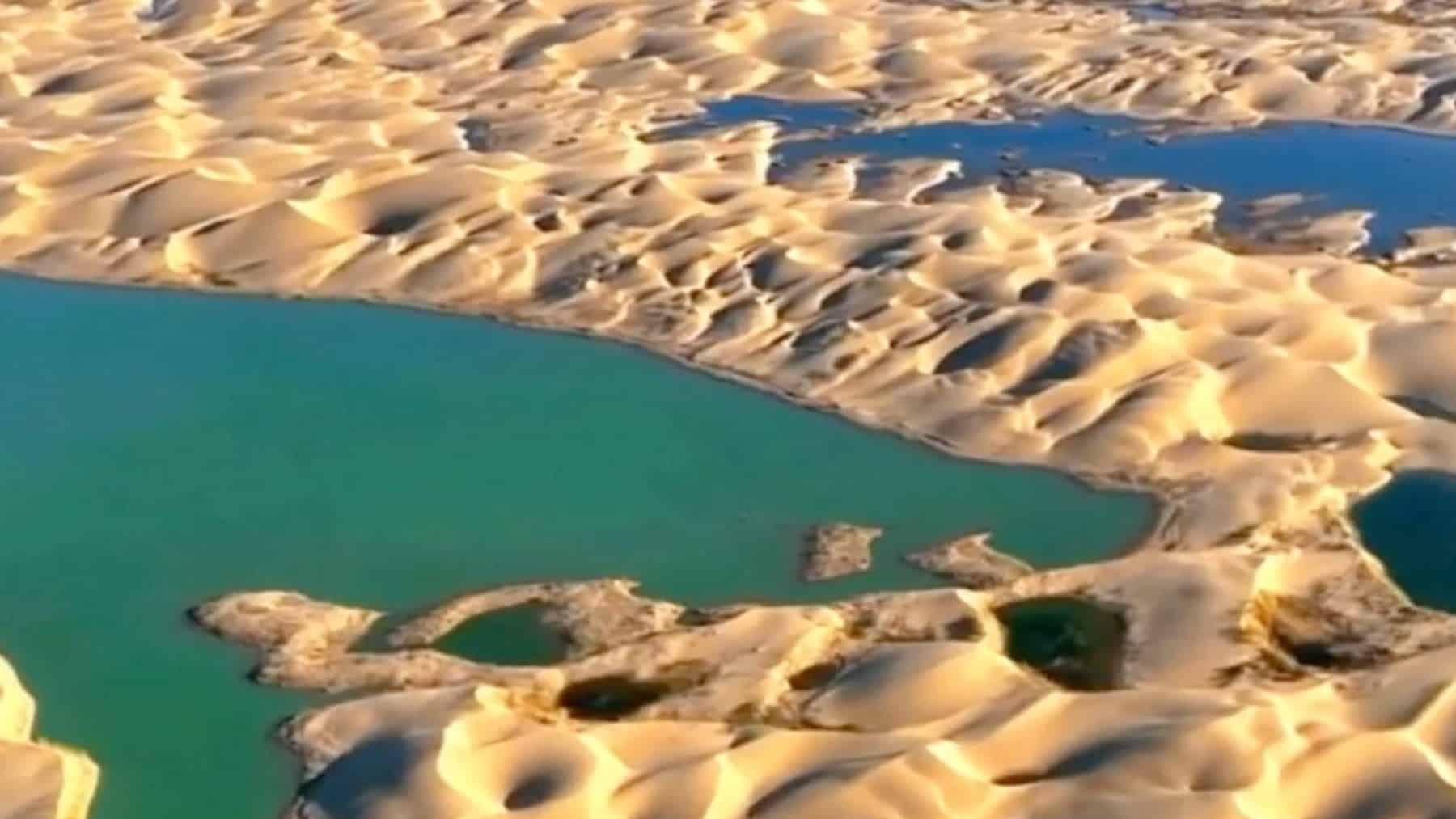
The United States has always had a paradoxical relationship with its deserts: arid landscapes hiding unexpected riches. But rarely has an initiative generated as much debate as the one emerging in the Mojave. Imagine thousands of acres of land, scorching sun virtually year-round, and an underground water reserve once considered untouchable. Now, add billions of dollars in federal incentives and a technology that promises to replace fossil fuels in heavy sectors like aviation, steel, and cement.
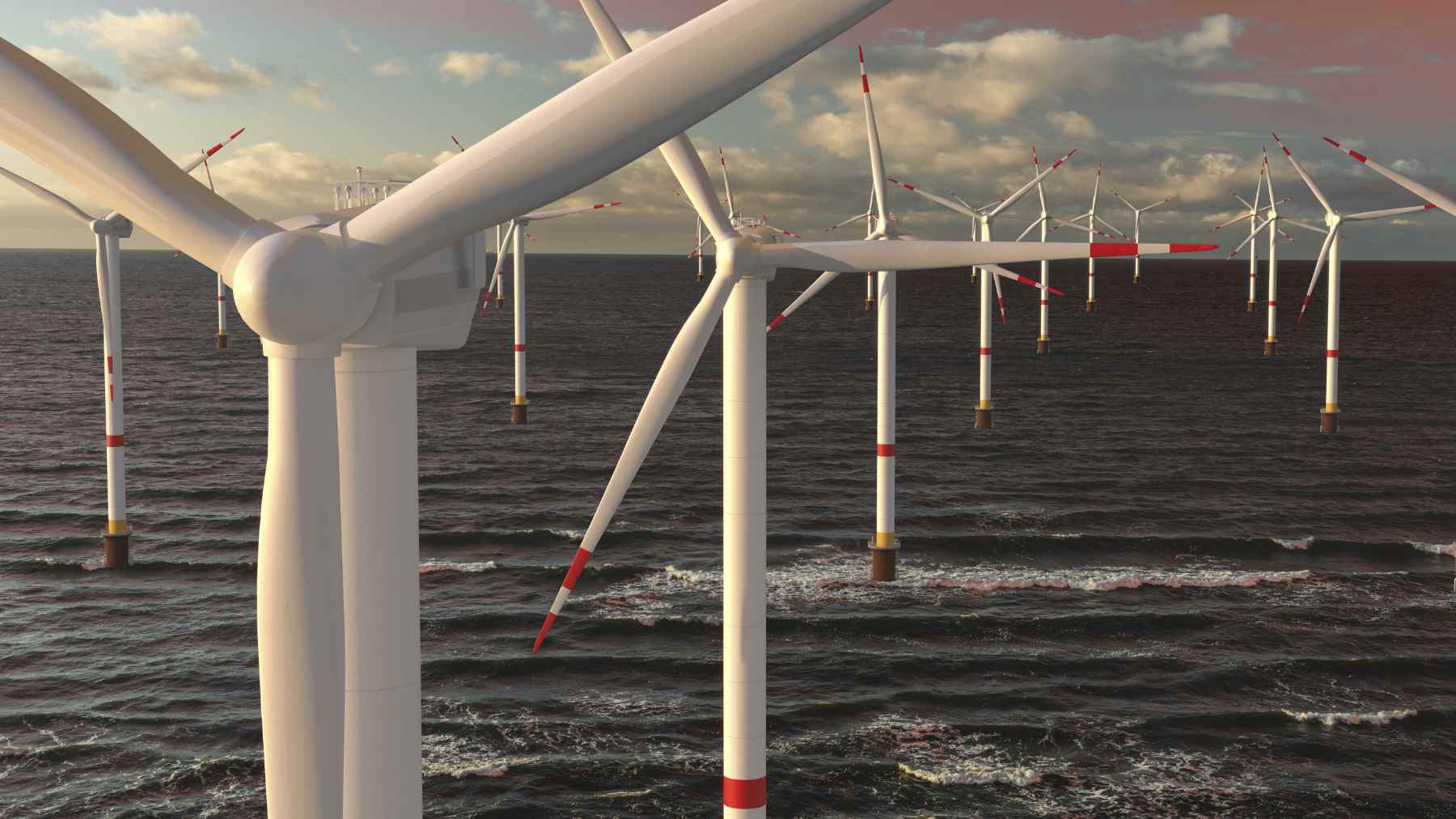
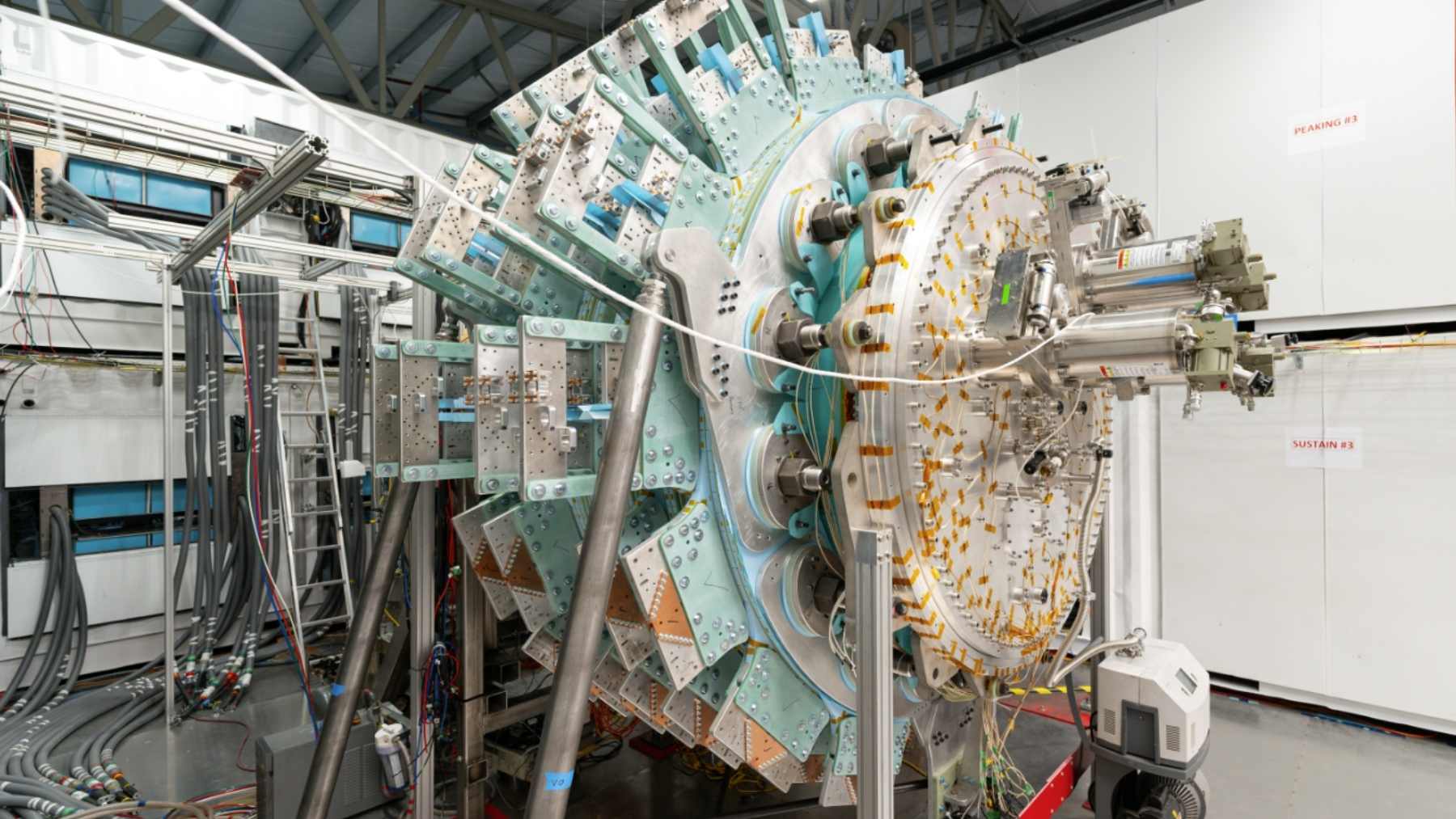
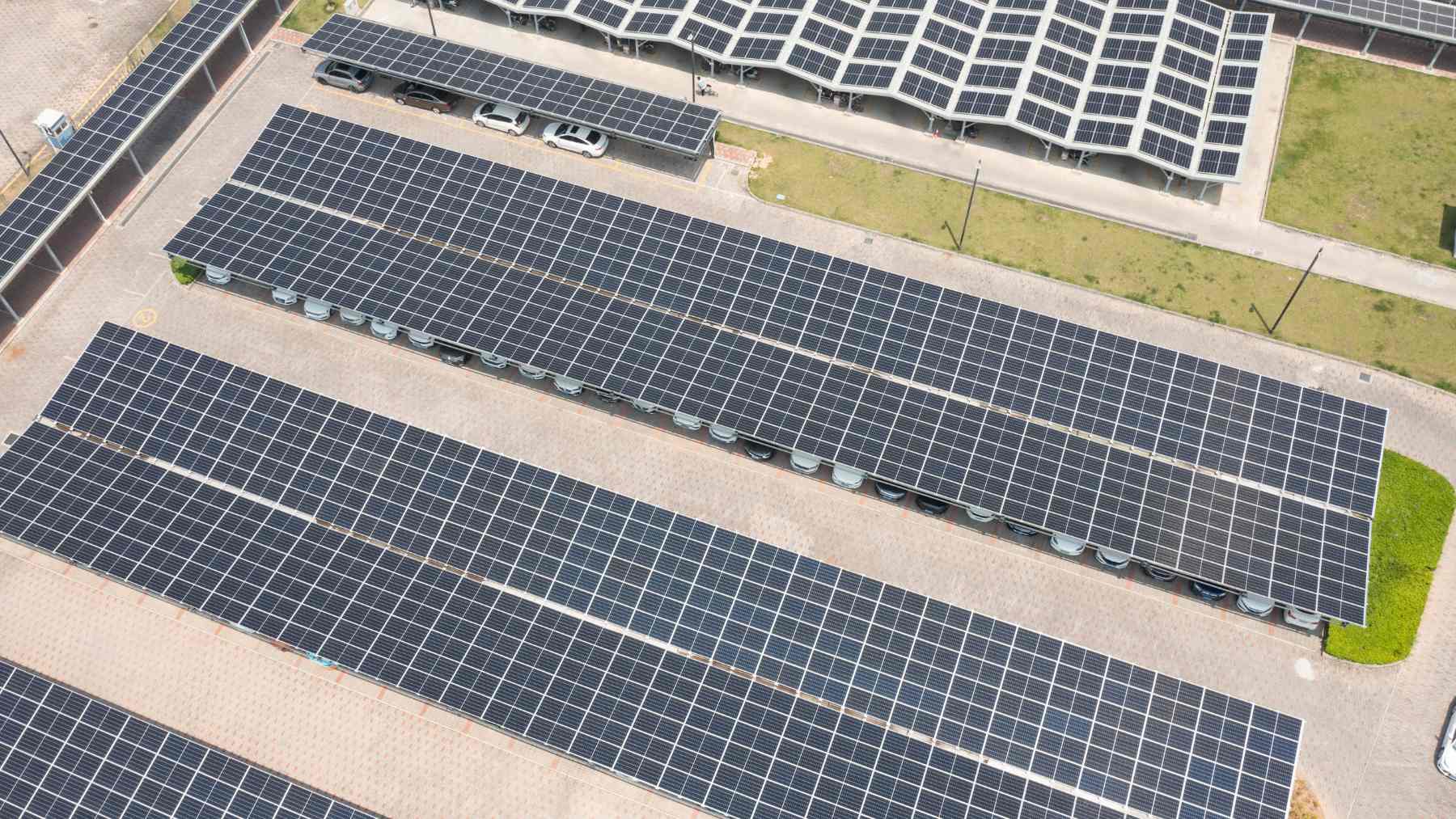
The green hydrogen project by Cadiz Inc. in partnership with Spain’s RIC Energy. It envisions the installation of a 100–120 MW electrolyzer, powered by 700 MW to 1 GW of off-grid solar power, backed up by 1 GWh of batteries to maintain production even at night. The goal: to generate up to 50 tons of hydrogen per day. In theory, a powerful source of clean energy on an industrial scale.
Cadiz’s comeback play: Climate innovation is the key
It’s worth remembering that Cadiz is no stranger to this game. For more than two decades, it has tried to approve projects to pump groundwater and sell it to coastal cities. It has always encountered fierce resistance, accused of wanting to “dry up the desert” and jeopardize fragile ecosystems. Now, under new management, it is trying to reinvent itself as a climate innovation company.
“We have 45,000 acres of land with pristine, plentiful water and a massive amount of sun. So we can do green hydrogen at a very low cost, with access to pipelines and rail lines to be able to move the product into the Southern California market,” said Susan Kennedy, CEO.
Among the arguments in favor are its strategic location, with access to rail and pipelines; the billions of dollars available in federal funding for hydrogen hubs; and the promise that Cadiz will function as a “water bank,” helping cities and tribes store resources for periods of drought.
Environmentalists say the project is just another “greenwash” to justify the exploitation of ancient aquifers, vital to wildlife and local communities. They also point out that a state law could block the transport of this water through the Colorado River Aqueduct unless studies prove no environmental impacts (which reminds us of the mine that sparked debate about whether or not to reopen it).
Miracle or mirage? The risks are too high for some
The key point here is that the project combines two forces in tension: a technological innovation with transformative potential and a history marked by distrust. After all, for investors, it represents a golden opportunity: a highly profitable business, backed by subsidies and a growing demand for green hydrogen. For local communities and environmentalists, however, it poses an imminent risk of compromising scarce water resources in one of the driest places in North America.
The symbolism is also strong. This is because the company plans to reuse pipes from the canceled Keystone XL pipeline, once a symbol of the fight against fossil fuels, to transport water destined for green hydrogen. But the question remains: if green hydrogen is truly the future, wouldn’t it make more sense to produce it in areas near urban or coastal wastewater, rather than in a vulnerable desert? This contradiction is precisely what keeps the debate raging. Now, whether this project will be remembered as a pioneer or a mirage, only time will tell…