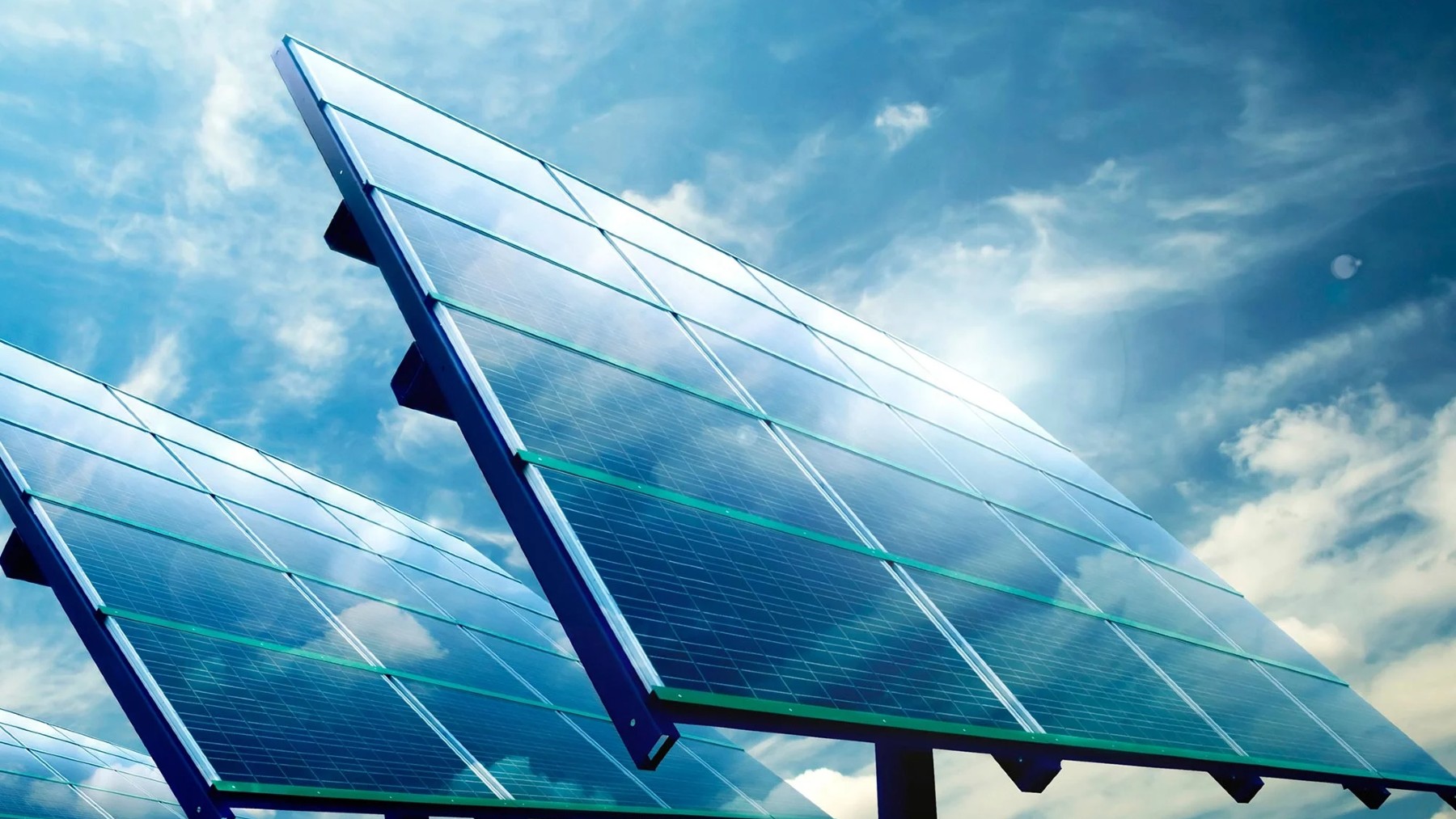
In a move which guarantees to notably enhance domestic solar production, DYCM Power has revealed strategies to grow a solar cell as well as a module site in the US worth $800 million. This is a combined project between Das & Co., together with LLC as well as APC Holdings, with LLC generating 2 GW solar cells along with modules yearly, which has the capability to develop to 6 GW in the future.
This tactical initiative is a direct reply to the prospects formed by the Inflation Reduction Act, placing DYCM Power as a vital player in the market of renewable energy.
New factory by DYCM Power: A big leap forward for domestic solar production
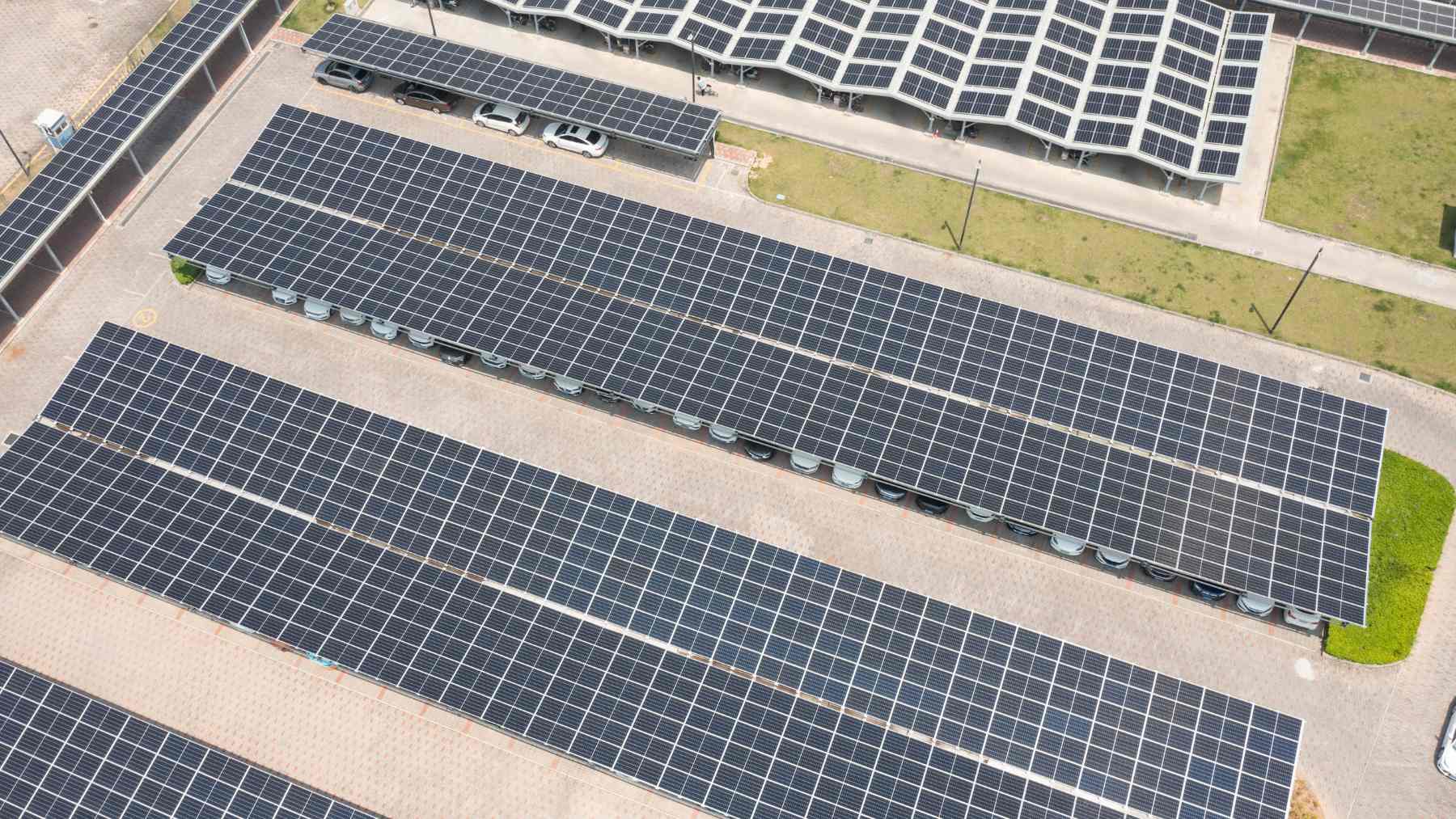
With the rapid increase of the solar sector, DYCM Power’s plant signifies a big leap toward renewing local solar generation. The plant is being situated in the southeast of the United States, where its selection is presently being confirmed. The plant will utilize developed Tunnel Oxide Passivated Contact (TOPCon) technology to generate solar cells as well as to construct them into modules, proposing advanced effectiveness along with developed energy production.
The business awaits to begin shipments by early 2026, concentrating on meeting local content necessities with complete supply chain tracking along with clarity. DYCM Power has already finalized agreements with top US established polysilicon as well as North American glass producers, additionally solidifying its dedication to developing a strong, environmental supply chain in the US.
Meeting requirements: DYCM Power together with Macquarie Capital fuel solar industry development simultaneously
DYCM Power and Macquarie Capital partnership is an important aspect of this development. Co-founder as well as President of DYCM Power, Richard Powell emphazised the importance of this partnership in scaling the factory’s operations to meet rising requirements. Macquarie Capital’s proficiency in renewable energy investments is anticipated to speed up the development of the initiative placing DYCM Power to tackle the increasing requirements of the solar sector whilst establishing numerous high paying jobs.
Solar engineering, procurement, as well as construction (EPC) contractor, Mortenson, is set to supervise the factory’s construction. With vast experience in the solar sector Mortenson will guarantee the development is finished on time as well as within budget providing local economic advantages via job formation together with community engagement.
Furthermore ECM Greentech Engineering will grant cutting-edge tools along with comprehensive solutions for manufacturing solar cells together with assembling panels, guaranteeing the plant functions at the front of solar technology.
Inflation decrease act drives DYCM Power’s perspective for an environmental solar future
The US solar sector has been reliant on foreign importations for a long time, making the investment of the DYCM Power a critical leap towards the self-self-reliance of solar energy. The Inflation Reduction Act granted an incentive for corporations such as DYCM Power to invest in local solar generation.
By employing progressive technology as well as establishing tactical collaborations, DYCM Power seeks to establish the US as a frontrunner in solar production whilst concurrently boosting energy safety together with sustainability. As DYCM Power plans to start development, the plant’s prolonged effect on the solar market of the US is presumed to be significant.
With proposals to ultimately generate 6 GW of solar cells as well as modules, not only is DYCM Power placed to meet local energy requirements however it also sets innovative benchmarks in the sector for quality, transparency, along with conservational accountability.
The $800 million solar production factory of the DYCM Power’s indicates a fundamental moment for the solar sector of the US. Through groundbreaking technology, tactical collaborations, as well as an emphasis on sustainability, this initiative is ready to reform the landscape of local solar energy, establishing jobs as well as reinforcing the energy safety of America. With construction scheduled to start in 2026, the future of solar production in the US is optimistic.