The possibility of using ammonia as fuel represents an important breakthrough in pursuing environmentally friendly power sources. The potential attractiveness of ammonia engines has not translated into widespread adoption since other challenges appear to inhibit their future road deployment. Utility companies initially considered ammonia to surpass hydrogen, but today, it is difficult to establish ammonia as a viable fuel option.
This environmentally beneficial fuel produces more dangerous consequences than anticipated.
Researchers view ammonia as an appealing alternative fuel because its high energy density and lack of carbon content make it desirable. Recent research indicates several major safety and environmental problems. Studies conducted by Chalmers University of Technology determine that ammonia fuel usage triggers eutrophication and acidification processes alongside nitrous oxide greenhouse gas emissions. Surprisingly, the methodology for electro-ammonia production requires substantial energy consumption, undermining its environmental sustainability assessment.
Research studies indicate that ammonia presents challenges because it yields new environmental issues when used for emissions reduction compared to alternative renewable fuel choices. This type of fuel damages engines and incurs high repair expenses. Ammonia is the least expensive electric fuel, so its usage keeps increasing. However, the environmental difficulties and technical barriers associated with ammonia may prove greater than its reduced operational expenses.
Scientists encounter substantial technical barriers when using ammonia as a fuel source. Ammonia’s corrosive properties destroy engine components, including injectors and spark plugs. Engine production requires specialized components, which makes ammonia engines difficult to manufacture and expensive to develop. The operational complexity of ammonia engines increases because they require mixtures containing ammonia together with gasoline because ammonia works less effectively as a fuel.
Such engines are not expected to appear in automobiles throughout the near future.
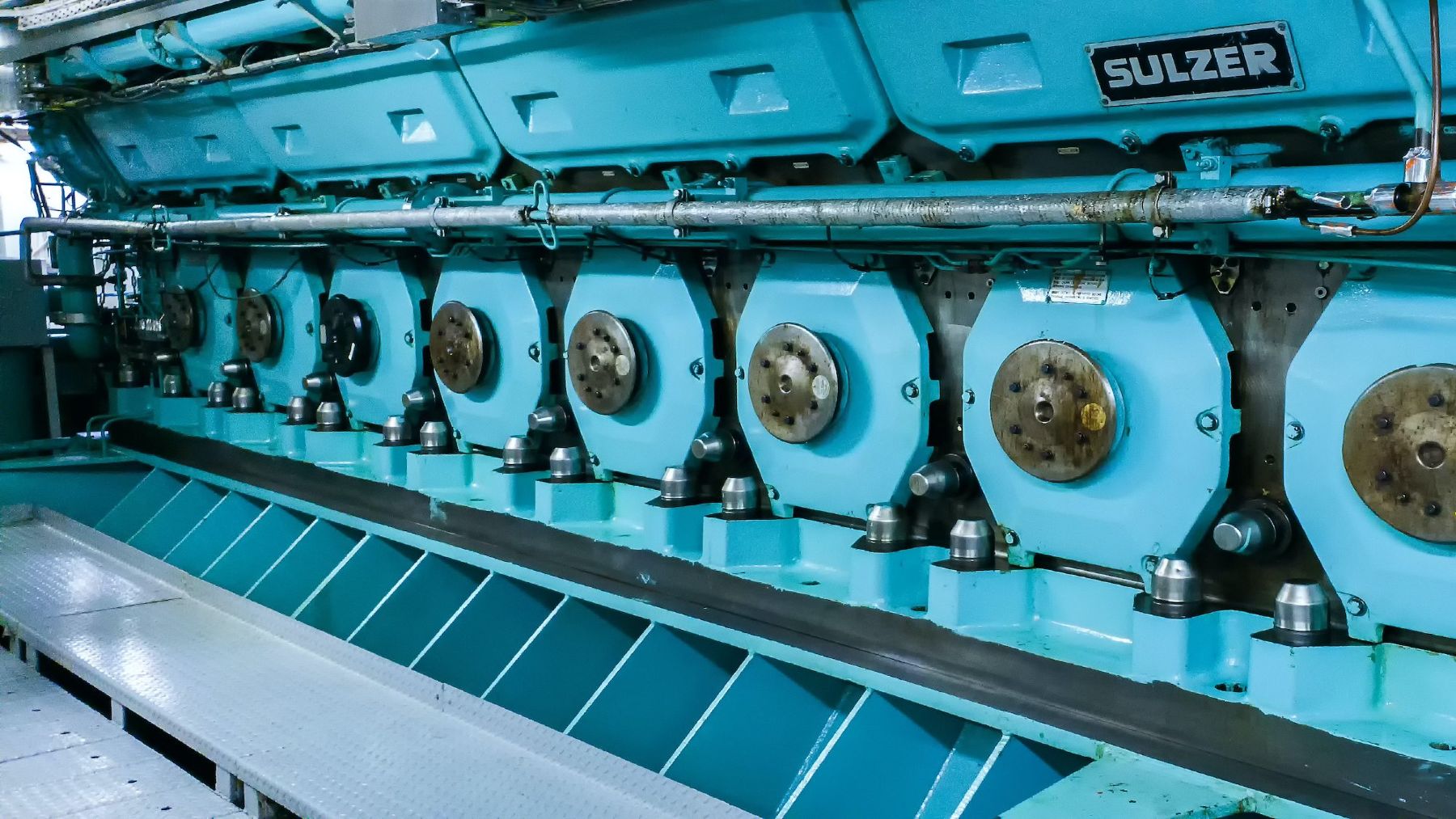
The testing of ammonia occurs mainly in ships and heavy equipment since it provides both high energy density and carbon emission-free burning. The application of ammonia as fuel takes place mainly in maritime vessels and heavy machinery while remaining restricted for cars and other light vehicles. Ammonia delivers too many complications during management and requires specific engine parts, preventing its widespread adoption in modern automobiles.
Constant research expands ammonia engine technology to establish it as a practical alternative fuel solution. Scientists create new methods to minimize ammonia’s environmental effects and build efficient engines that utilize pure ammonia as fuel. The application of ammonia as a mainstream fuel requires extensive further development work. The market’s emphasis on cost may result in choosing a fuel solution that causes more issues than benefits.
The vision of clean energy has failed to be achieved.
The potential advantages of ammonia fuel versus hydrogen cannot be realised through road deployment because several environmental, technical, and economic obstacles remain. Significant technical barriers prevent using ammonia as a clean, sustainable fuel. Researchers continue to study whether ammonia can navigate these barriers to become an alternative fuel viable at the market level.
Pursuing clean energy revealed ammonia engines as one of the major unsuccessful approaches toward environmental sustainability. Ammonia engines face multiple difficulties, and the infrastructure needed to support them has stirred growing public concern. Because of its poisonous properties and fickleness, the storage and transport of ammonia require proprietary systems. Using ammonia as a vehicle fuel introduces new expenses and elaborate logistics requirements that must be addressed.
The public concerns about ammonia safety may decrease customer acceptance when targeting densely populated areas. Major policy backing combined with innovative developments would be necessary for ammonia to become viable in the automotive market. Scientists hold onto optimism, yet the pathway toward ammonia becoming a mainstream fuel still exists with an abundance of challenges and uncertainty that persist for a prolonged time.