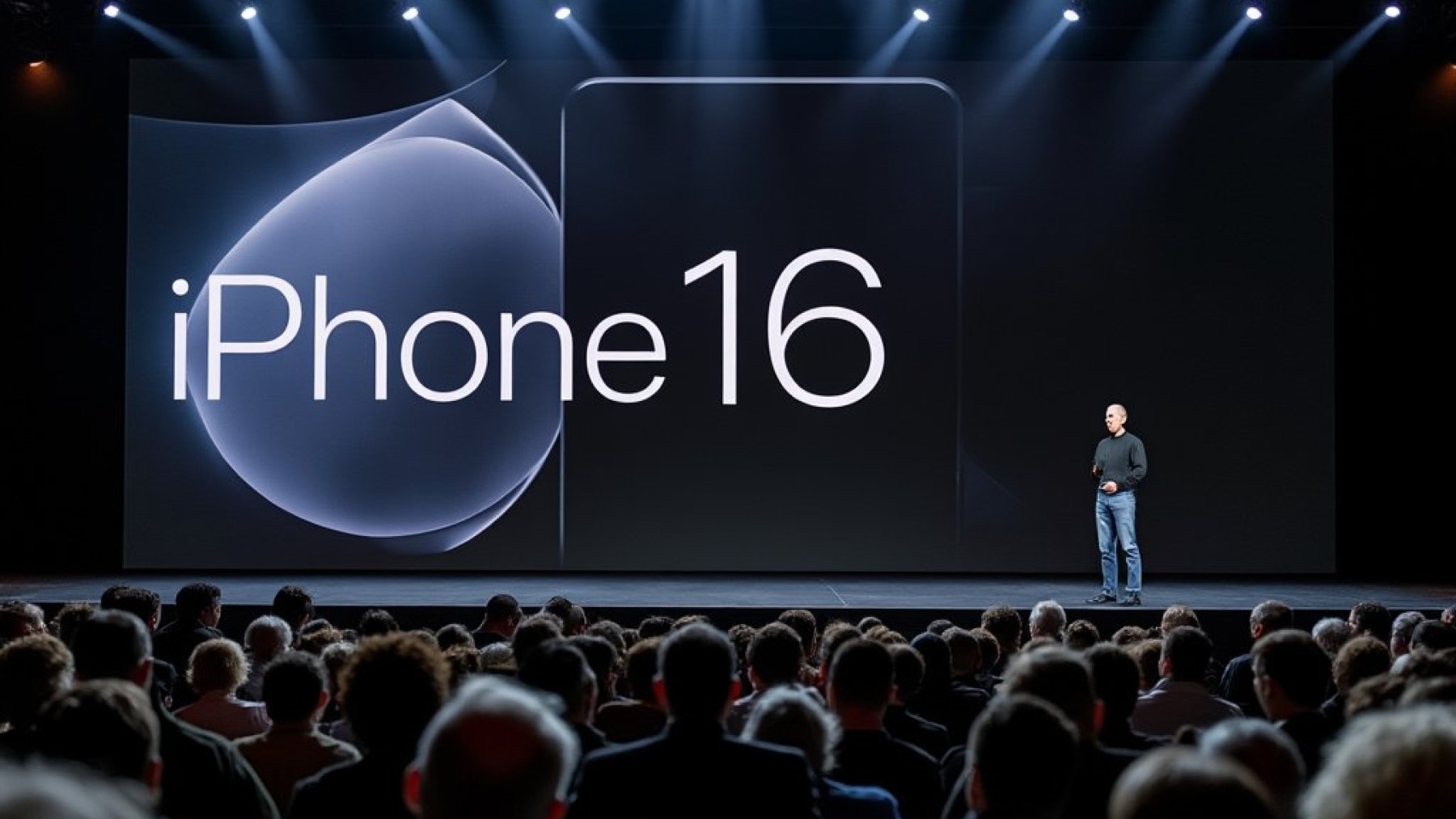
The much-anticipated iPhone 16 is out, but the focus of global interest continues to be on the future iPhone 17 model. This latest model has some new changes, with increased RAM to 8GB in all models. However, many are eagerly waiting for the iPhone 17 owing to possible significant changes.
It has prompted people to wonder whether the iPhone 16 has been overshadowed and has not evoked the enthusiasm accompanying Apple’s new releases. The concern is why consumers did not react positively to it – the expected features of the iPhone 17 that offer potential users more than the iPhone 16 can – and what this means for Apple’s future product development.
Why the iPhone 16’s market performance failed to meet Apple’s expectations
The iPhone 16, as an essential step up with minor enhancements, has failed to elicit excitement and positive responses from the target market and industry reviews. One of the critical factors contributing to this is that innovations are not seen as radical. The 8GB of RAM that Apple has incorporated in the iPhone 16 generation is an improvement over the previous generations but not as triumphant as the 12GB that is rumored to be the standout feature of the iPhone 17 Pro Max generation.
Furthermore, the iPhone 16 upgrades are minor and incremental, with many improvements viewed as small steps forward rather than giant leaps. It has disenchantment among loyal Apple consumers, who are used to more significant upgrades in every new product update.
Why the iPhone 17 is already creating more excitement than the iPhone 16
On the other hand, the iPhone 16 has not received much attention, while the iPhone 17 has already been anticipated, not to mention the rumors surrounding its production and release. It has been rumored that the iPhone 17 Pro Max will come with 12GB of RAM, and this has been thought to be the possible development that would unlock new AI capabilities along with features not seen in the iPhone 16.
Also, unlike the other models, the iPhone 17 Pro Max has not yet been confirmed to feature an exclusive cooling system consisting of a vapor chamber and graphite sheets. These potential enhancements have mobilized consumer interest and expectation, many of which now prefer waiting for the next model instead of getting the iPhone 16.
What Apple needs to learn from the lukewarm reception of the iPhone 16
The discouraging market response to the iPhone 16 and the growing expectations for the iPhone 17 are also significant for Apple’s product roadmap. While previously, Apple could count on customers’ desire due to the subsequent iPhone releases, the early emphasis on the iPhone 17 indicates that followers are expecting more significant enhancements to invest in.
This change in customer behavior might force Apple to change how it introduces new products and improve innovation in subsequent models. In addition, emphasis and reliance on future models may affect potential sales for current stock as people become more tactical and discerning in their buying decisions.
What the shift in consumer focus mean for Apple’s product innovation strategy
Hence, consumers and tech enthusiasts’ focus has shifted to the next model, the iPhone 17, and people wonder whether the latest model, the iPhone 16, performs to the expectations. The iPhone 16 has some enhancements to the iPhone 15; however, these changes are not as radical as most people would want from Apple’s iPhones. On the other hand, the iPhone 17 is expected to come with rumored improvements such as 12GB of RAM and complex cooling mechanisms.
This shift of outlook is in unity with a more significant change in the attitude of the buyers, where they are not focusing on the models that have been recently released but on the ones that have yet to be developed. As Apple moves forward, the task will be to sustain innovation while meeting the requirements of consumers, anticipating the next big thing.