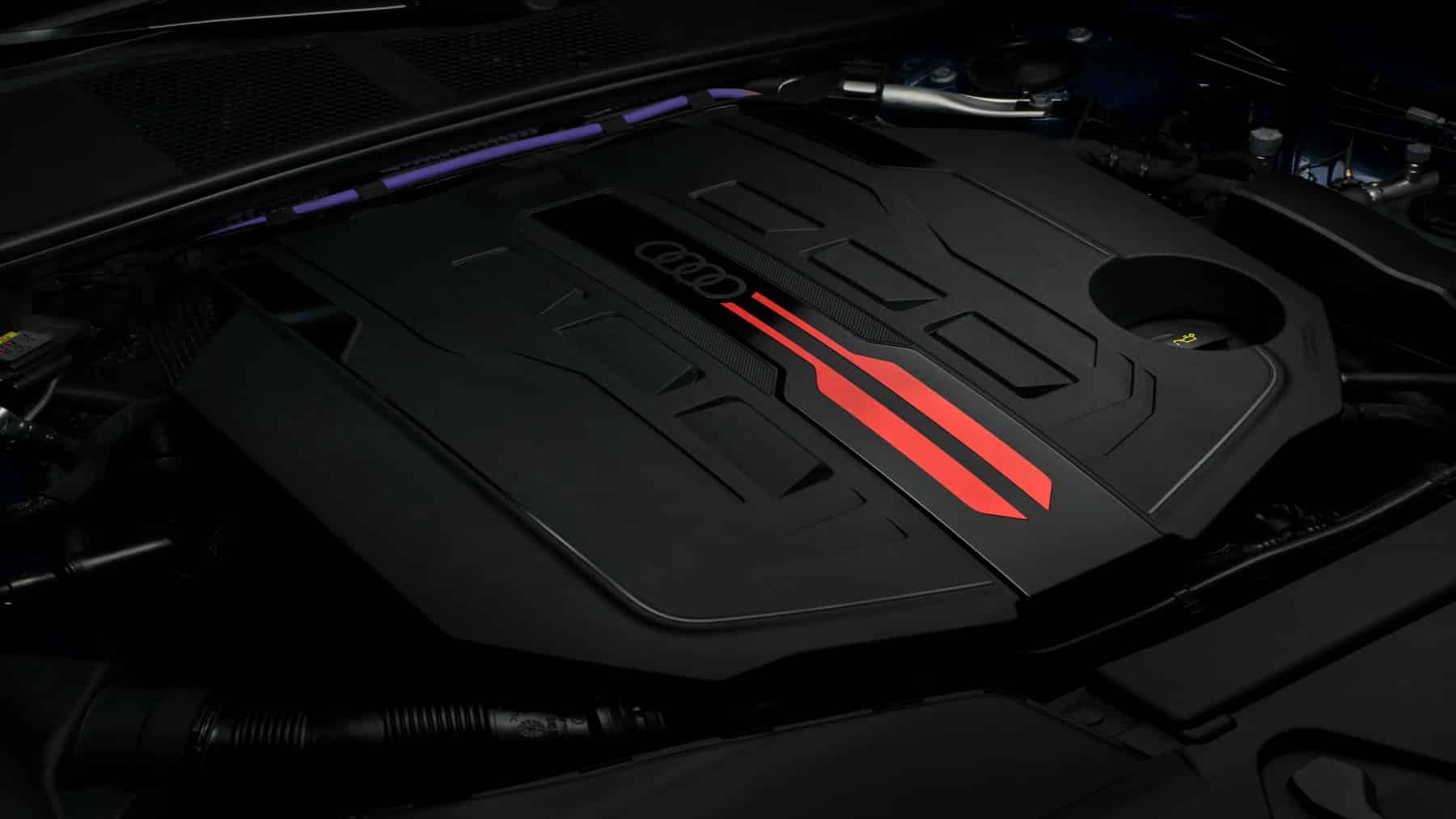
Audi presents its latest plug-in hybrid engine, which offers 362 horsepower functionality through two fuel options. With its A5 e-hybrid model, Audi brings new engine innovation that targets Japanese carmakers’ hybrid industry leadership. The Audi A5 e-hybrid car model operates with an engine which delivers 362 horsepower. The combined powertrain consisting of a turbocharged 2.0-litre four-cylinder engine binding with an electric motor provides driving performance along with driving efficiency.
This vehicle delivers effective performance together with efficiency goals.
The A5 e-hybrid reaches 0 to 60 mph performance in 4.5 seconds, and its sporty nature becomes apparent through this hybrid system. Audi A5 e-hybrid offers powerful performance from both electric range and engine capabilities to give drivers a thrilling commute or sports experience. The A5 e-hybrid stands out since it combines power and efficient performance with other competitors.
The Audi A5 e-hybrid car systems receive energy from gasoline and electrical fuel sources. Because the vehicle works with two fuel types, drivers can select between gasoline and electric power. Users can power their electric motor at residences or public charging stations, while the gasoline system ensures extended trips without battery limitations. Connecting gas and electric power gives the A5 e-hybrid exceptional fuel efficiency.
Choose gasoline or electricity and driving mode to suit your desires.
Made for improvement, the Audi A5 e-hybrid offers multiple advanced technologies that boost its driving abilities and make life easier. The vehicle offers modern MMI touch response technology from Audi, which enables simple navigation through all system controls, including maps, entertainment and temperature options. The system connects smartphones to the vehicle, helping drivers stay connected when on the move.
Safety concerns stand first at Audi, and the A5 e-hybrid model reflects that. The vehicle offers several modern driving assistance tools, including automatic emergency braking and systems that assist with cruise control and lane maintenance. These advanced technologies make driving safer and more relaxed across highway and urban scenarios. The gasoline engine capability lets you travel longer distances without stopping at gas stations often.
Audi launched its strongest hybrid challenger on the market.
By launching the Audi A5 e-hybrid technology, Audi has taken a major step forward in developing hybrid cars. Audi delivers an innovative vehicle that meets many customers’ automotive passion and fuel versatility needs. The introduction of this model fought back against Japanese hybrid vehicles because they had held control over this sector for a long time. The engine system produces quick vehicle speeds while keeping fuel consumption low.
Audi integrates hybrid technology into its operations to save the environment while lowering polluting emissions. As a green tech leader Audi implements hybrid technology with its A5 e-hybrid car design. We can expect further technological improvements in hybrid systems and the start of sustainable transportation choices because increasing numbers of manufacturers are committed to hybrid production.
The Audi A5 e-hybrid, with its 362 horsepower engine and dual-fuel capability, sets a new standard in the hybrid market. It combines fuel efficiency characteristics and performance excellence in one vehicle model. Future developments in hybrid technology are demonstrated through Audi’s commitment to innovative and sustainable products, as displayed by the A5 e-hybrid model.
People who require a car that presents performance excellence with everyday functionality should consider buying the Audi A5 e-hybrid model. Advanced technologies, alongside flexibility in fuel options and exceptional performance features, set the Audi A5 e-hybrid apart from other hybrids in the market. With electric power only, the A5 e-hybrid extends up to 40 miles of range per battery charge, which suits daily city driving. Northern California markets will find the A5 e-hybrid as a demonstration of the automotive industry’s potential for environmentally friendly transportation.