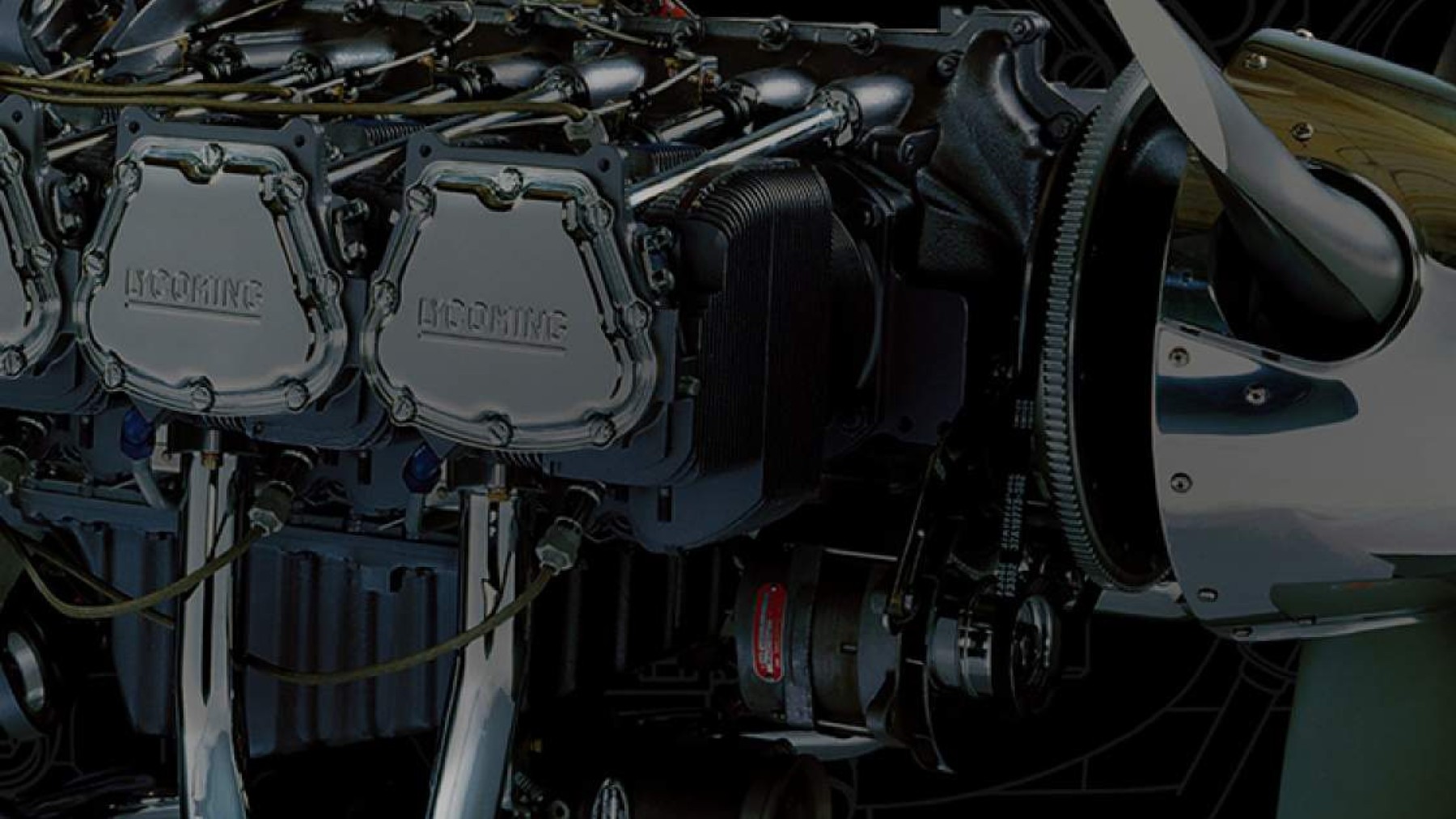
Modern researchers have claimed that their discoveries in renewable energy, the future of which, if successfully implemented, promises to revolutionize the aviation and transport industries. In the phase when electricity and hydrogen have long been promoted as the future of clean energy, an unpredicted prospect has turned up.
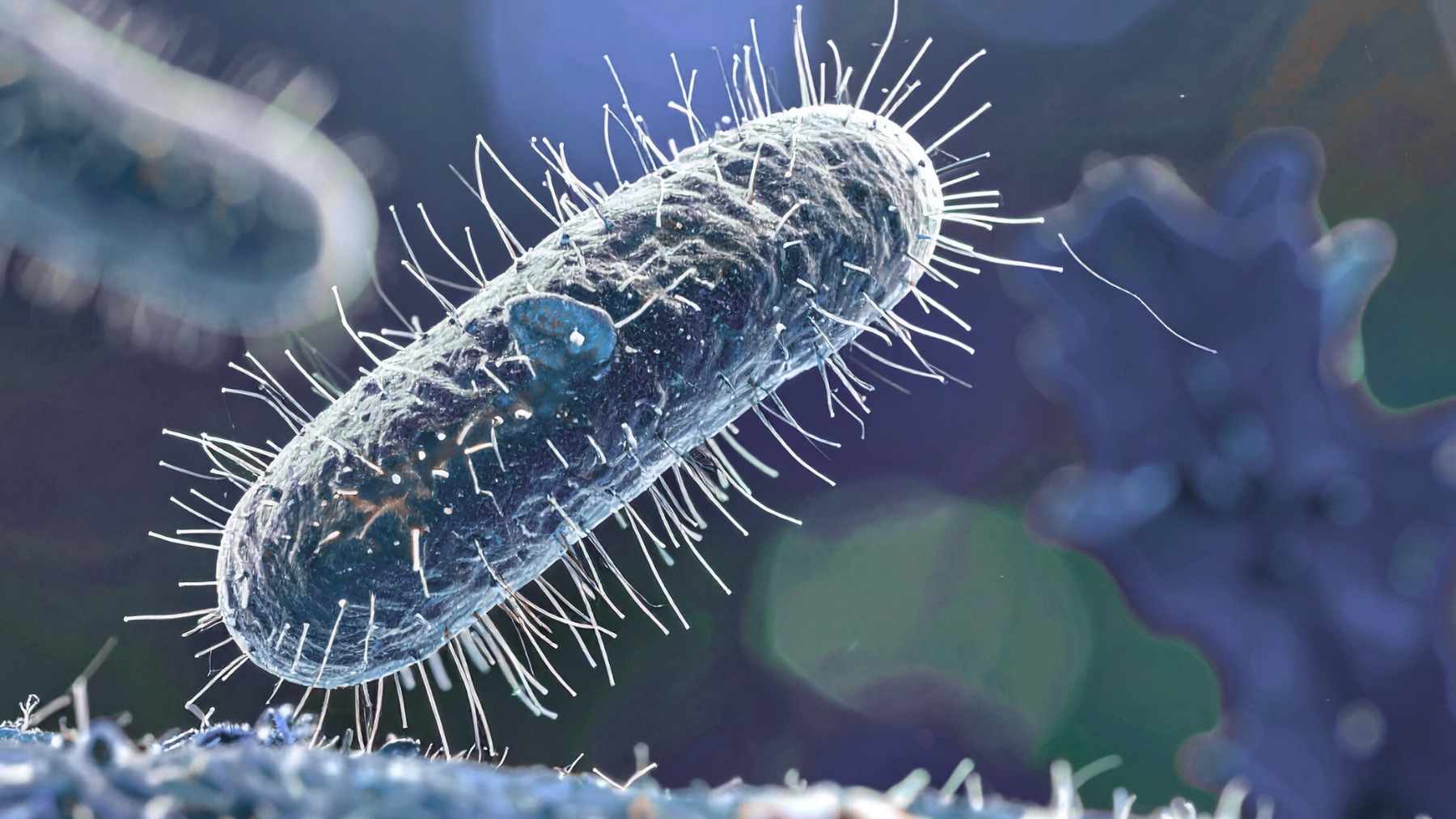
Bacteria take another differentiating component in the Kingdom Monera and are classified based on shape, size, and gram reaction. Metabolic pathways and bacterial enzymes that help produce renewable hydrocarbons are exciting discoveries as they directly compete with fossil fuels.
This research provides an ecological perspective of the problem and offers a practical solution to decrease emissions of greenhouse gases in the aviation industry. The ability to harness bacterial enzymes to convert fuel is a complete revolution in achieving sustainable energy in our more mobile society, potentially turning waste products into valuable fuels.
Meet the OleTPRN enzyme: The key to creating renewable biofuels for aviation and beyond
The OleTPRN enzyme isolated from the bacterium Rothia nasturtium shows tremendous potential in the bioconversion of fatty acids to alkenes, an essential chemical feedstock for synthesising sustainable aviation fuel (SAF). This enzyme is from the cytochrome P450 family and can accomplish the deoxygenation reaction in mild conditions, which is crucial in generating efficient biofuels used in aviation.
OleTPRN lacks the geometrical limitations in the adsorption of different chain lengths and types compared to metal-based catalysts, thus making it a flexible tool in biofuel synthesis. The enzyme can work under mild conditions, and it can potentially transform different fatty acids, such as unsaturated ones, differentiating it from other previously used biological catalysts in this domain.
The wide-ranging potential of bacterial biofuels to revolutionize multiple industries
OleTPRN indicates a potential for biofuel production from diverse feedstock sources. Several feedstocks, such as soy, macaw palm, corn oleaginous biomass, sugarcane bagasse, and straw lignocellulosic biomass, have been identified as possible feedstocks. Sugarcane alone yields around 150MMT of bagasse annually in Brazil, which can be utilized for biofuel production that is entirely sustainable for the environment.
This enzyme-based method could be generalized to industries other than the aviation industry for synthesising polymers/plastics and other chemicals in food, cosmetics, pharmaceuticals, transportation, and other industries. The fact that this technology is applicable across numerous fields establishes the potential of developing a circular economy that embraces waste products and green energy.
Environmental benefits of bacterial biofuels: How they could dramatically reduce emissions
Other than the OleTPRN enzyme in aviation biofuels, studies have established that biofuels decrease vehicle pollutants by a large percentage. The University of Malaga and the University of Birmingham demonstrated that soy-based oxygenated biofuels in a 20 percent volume mix with diesel could decrease soot emissions by more than 90 percent.
This remarkable cutting of emissions of black smoke from vehicles is essential if viewed from an environmental perspective and the health of the people affected by the pollution. The study showed that it is possible to use bio-alcohols and bio-ketones as traditional fuels without adapting to the engine.
Based on these studies, it is possible to conclude that biofuels produced from bacteria can be a significant energy source that can potentially mitigate the impacts of climate change and the effects of air pollution in urban environments.
The future of bacterial biofuels: A promising solution to the global energy crisis
Therefore, bacterial enzymes acted as a possible route for renewable hydrocarbons, an achievement in the search for sustainable energy sources. The OleTPRN enzyme sets the high yield of aviation biofuels. Thus, the more extended applicability of biofuels to decrease vehicle emissions tends to provide a machinist toward better and sustainable environmental existence.
As researchers continue to discover and develop these technologies, the prospects of getting bacterial biofuel from bacteria become even more achievable. This revolutionary and innovative thinking not only solves the problem of decreasing our heavy reliance on fossil fuels but also allows waste products to be converted into energy sources.
Especially when combating climate change and environmental degradation, the invention of bacterial biofuels reminds one that there is no problem too grand for man’s inventive mind to figure out a solution.