In the modern world, concerns arise from the side of environmental issues, and that is why the maritime industry is experiencing growing pressure to fulfil the challenges linked to decreased levels of carbon emission. Damen Shipyards Group, a leader in shipbuilding innovation, has risen to this challenge with its latest breakthrough: the Damen D16 engine.
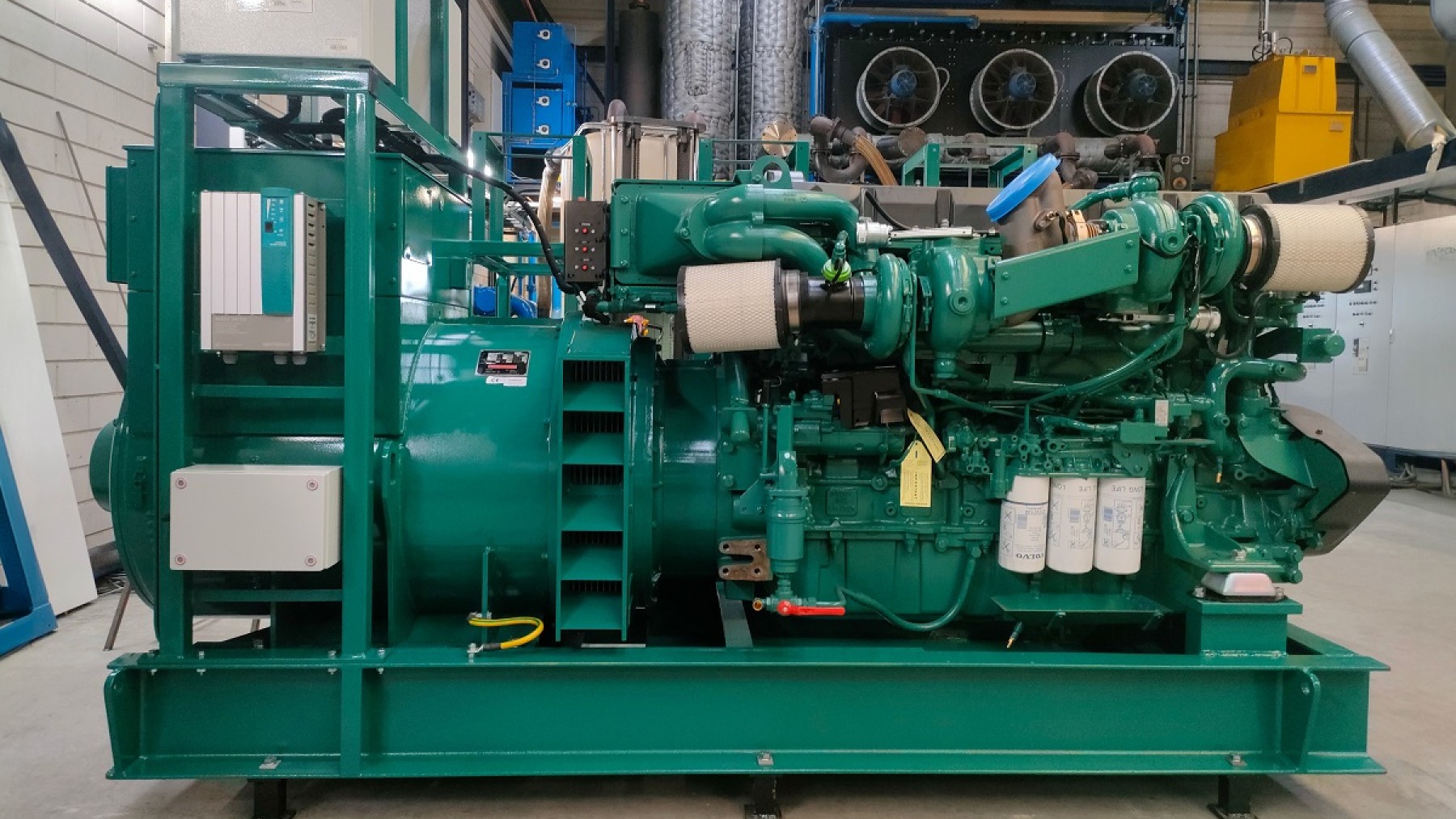
The manufacturer’s choice engine for the LCMs is the Damen D16 engine. This state-of-the-art marine propulsion system, which has recently received EU Stage V emission regulation certification, is a new generation of sustainable shipping technology.
Damen D16 Engine: Revolutionizing Modern Marine Propulsion Systems
The Damen D16 is actually a complete marine engine and aftertreatment solution that was created by Damen Sustainable Solutions organically.
At its core, the D16 aims to tackle two critical issues facing the maritime sector: emission reduction and improvement of power efficiency.
Both of these objectives perfectly complement Damen’s strategic plan of becoming the world’s most sustainable shipbuilder and solutions house.
Based on the Robust Volvo Penta D16 Engine Model
Selected and built on the severe Volvo Penta D16 IMO II, the Damen D16 is fitted with the following remarkable specifications.
It provides low fuel consumption, which is essential in the aspects of the environment and also with the burning of finances in the shipping business.
Furthermore, the engine also minimizes SOX, NOX, and carbon dioxide emissions; these three pollutants are acknowledged as some of the most acute issues in seaborne transportation.
In addition, the featured D16 model also minimizes noise emissions, which, although disregarded in many ways as a type of pollution, are still a significant issue for aquatic ecosystems.
Fuel Flexibility: Adapting to Hydrotreated Vegetable Oil (HVO)
Another feature that has been developed with appreciation on the Damen D16 is that of fuel flexibility. Although it can use regular marine fuels and thousands of industrial and commercial fuels, it is also IMO Tier III, bio-based, biomass, hydrotreated vegetable oil (HVO) compliant.
With this capability, newer opportunities have been created for further slashing of CO2 emissions, given that biofuels such as HVO are far less carbon-friendly than conventional fossil fuels. To come up with the D16 and ensure the product went through the necessary certification, much effort was required.
The sales & operations manager of the sustainable solutions department at Damen, André de Bie, explained that special attention was paid to the tests with Damen’s marine emission reduction system. The EU Stage V certification, which the company received in cooperation with its dealer Volvo Penta dealer Haisma in Harlingen, Netherlands, also attests to the engine’s working ability and environmentally friendly features.
Building on Previous Successes: Damen’s Achievements with D16
What is essential to recall is the fact that Damen’s achievement with the D16 stems from their prior success. It is estimated that in 2021, they will be ready for Stage V EU certification, which is fully verified by their in-house emission reduction system.
The newest accreditation of the D16 engine expands Damen’s status as a leader in environmentally friendly technologies for the shipping industry.
Summing up, looking forward to the future, such engines as the Damen D16 will become one of the main contributors to a significant decrease in the sorrowful effect of shipping on the world environment.
The fact that Damen is able to propose a solution that is more efficient, cleaner, and fuel-adaptable gives ship operators a feasible way to move toward sustainability.
Balancing Operational Needs Against Environmental Responsibilities
The maritime industry is at a crossroads where it has to meet specific operational needs more than it must reduce measures that harm the environment.
Thus, we can see that it is possible to meet these apparently opposing requirements by using innovations, such as the Damen D16 engine.
The day will come when most shipbuilders and operators will avail themselves of such technologies and thereby expect a future where such maritime trade grows much more but with much less impact on our valued aquatic haunts.