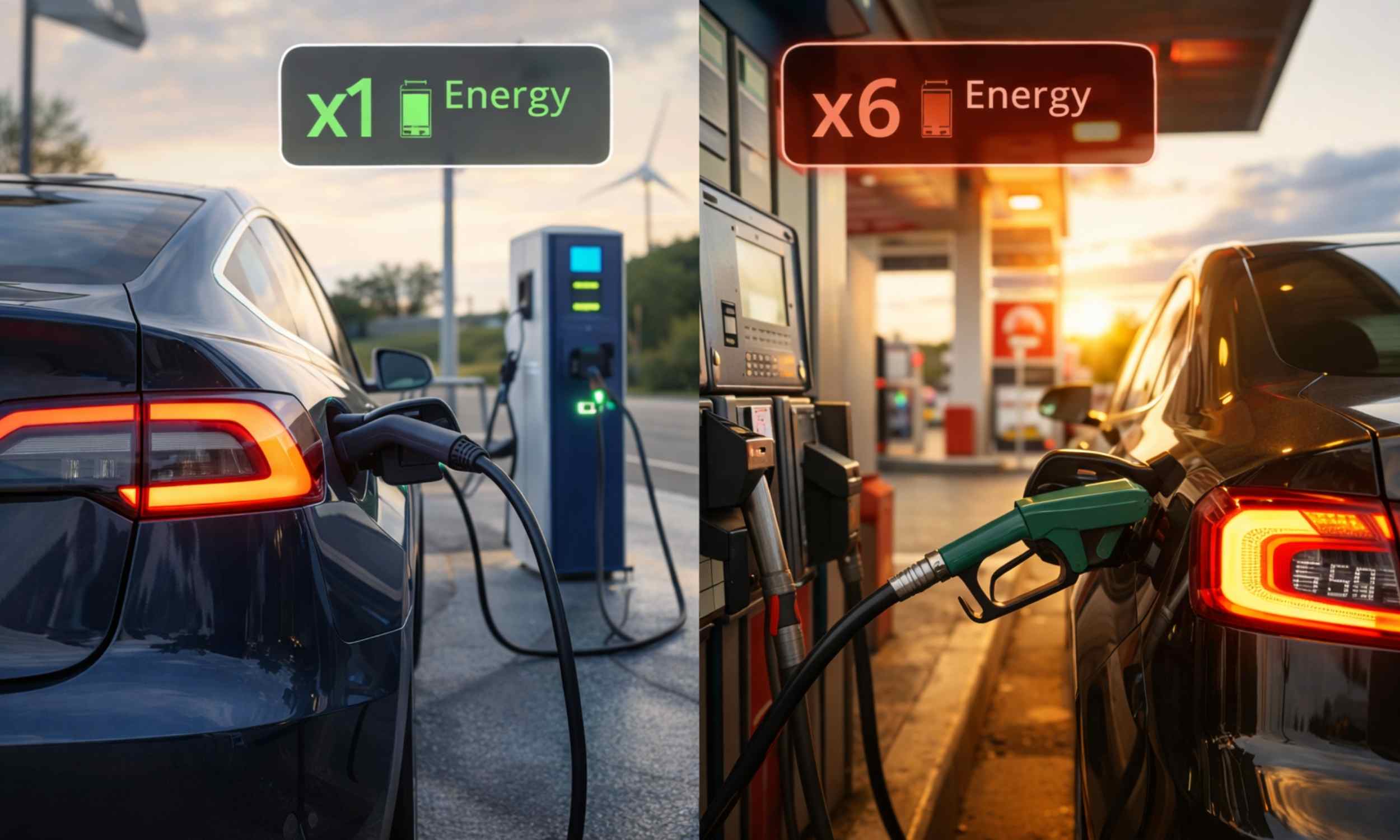
BMW and Tesla have just started a trade war that pits us directly against Europe (as if we didn’t have enough with China and their BYD). They have just started a race towards hydrogen engines, leaving EVs far behind. That’s not good news for America, and we’ll explain why: we have every reason to be terrified of what’s to come, and now we´re talking about Europe.
Two automotive giants, towards the fuel of the future: new commercial “race.”
In the rapidly evolving world of sustainable transportation, a new battleground has emerged between two automotive giants, BMW and Tesla, two automotive companies that have developed and launched vehicles with autonomous driving technologies.
Tesla was leading the market, expecting solely electric cars to dominate the market for the foreseeable future. Still, BMW is aiming high, focusing on vehicles operated by Hydrogen, creating a climate for the upcoming unequal battle.
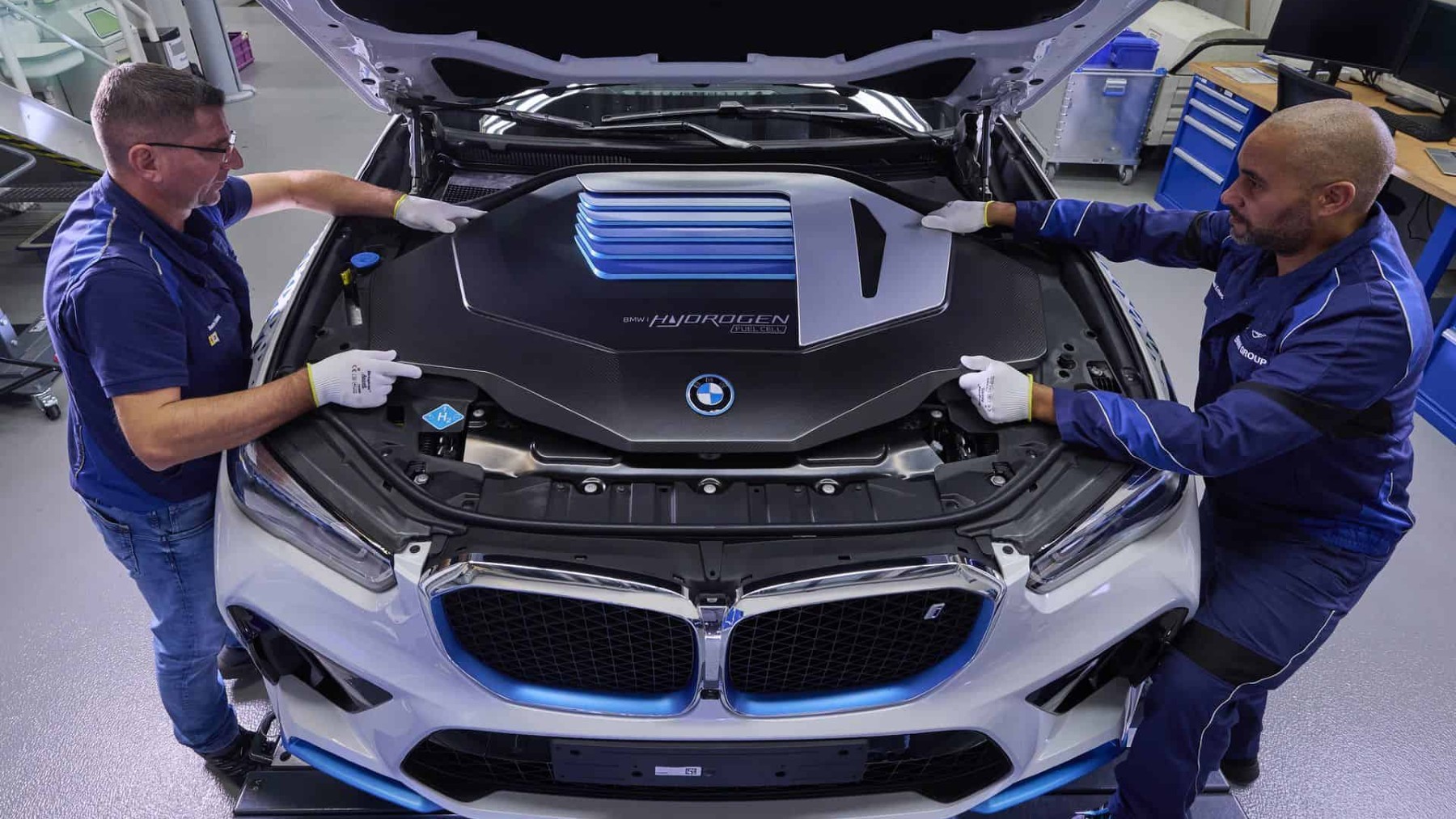
In the automobile industry, BMW is one of the world’s most recognized premium automobile companies and has decided to bet heavily on hydrogen tech as an alternative to battery-controlled EVs . The German automaker is of the view that hydrogen cars are well positioned to address a huge niche market of consumers.
BMW and Tesla want to develop new zero-emission, but not electric, cars
In particular, hydrogen cars’ main strength is the possibility of refueling within four or five minutes and with the same power as ordinary cars with the internal combustion engines. This makes them suitable for those who are conducting long journeys on a regular basis or who need high flexibility.
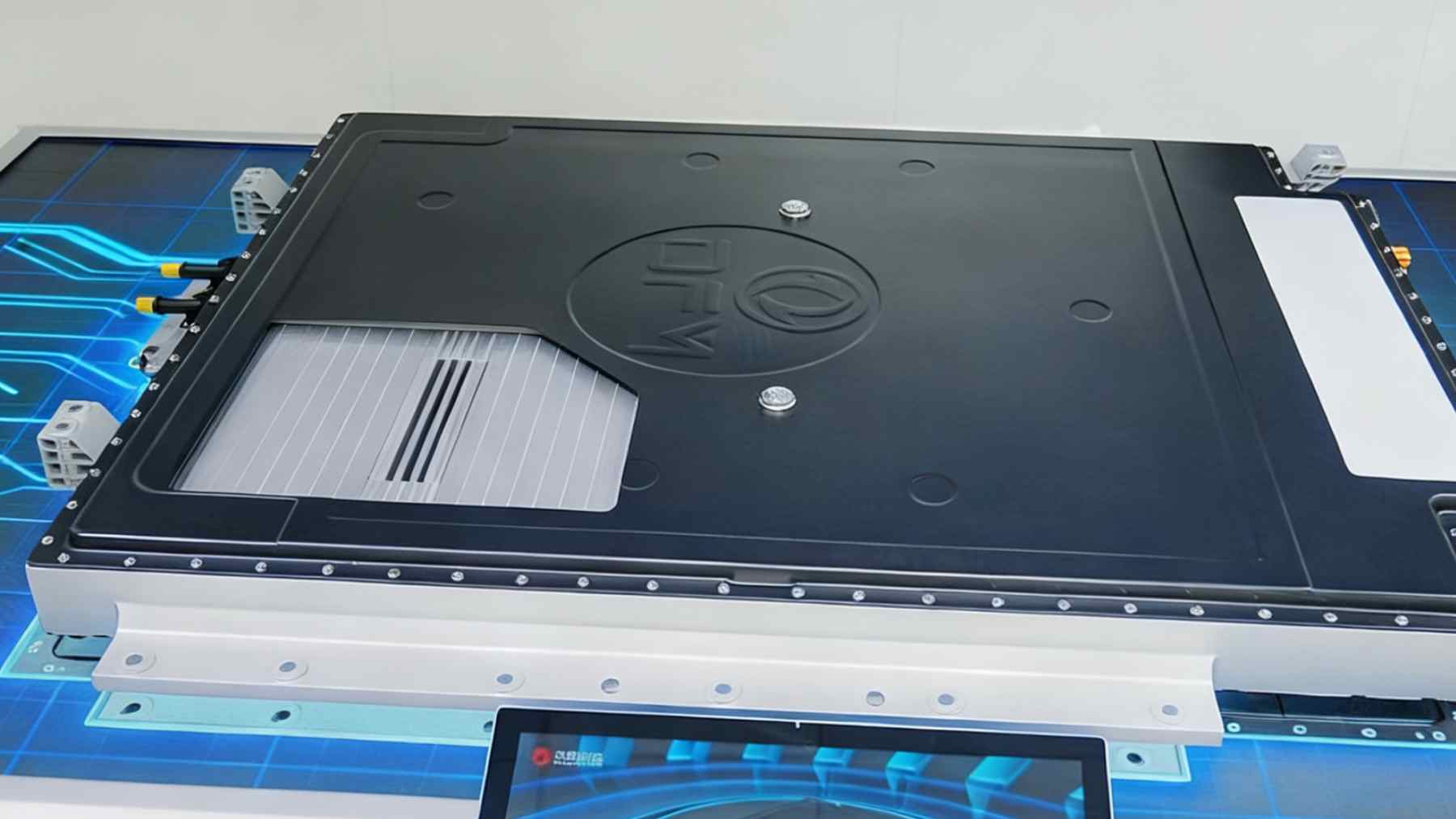
Also, hydrogen cars have less depreciation in cold climate compared to electric vehicles which may affect the battery section. However, BMW plans to bring its Hydrogen iX5 powerhouse on the market in 2024. The power line consists of the fifth generation of fuel cell combining it with an electric motor.
This invention results to the performances of over 400 horsepower and 0 to 60 mpg in 6seconds. BMW wants to offer an electric range of about 50 kilometers or approximately 313 miles with its iX5 Hydrogen as an alternative to many of the best EVs out there today.
Could there be a hydrogen Tesla? Maybe hydrogen BMW is closer.
Tesla’s Elon Musk has been very critical of hydrogen technology for cars, something that has been evidenced by his recent and frequent outbursts on the matter. Musk famously called hydrogen a “fool sell,” suggesting it is more effective to use the energy to charge a battery directly in an EV.
It is essential to appreciate that the fight between hydrogen and batteries as the source of energy for emissionless automobiles is more complex. On the positive side, hydrogen provides solutions like refueling time and payload capacity.
Despite the challenges, Hydrogen is understated for its production process requires energy to generate clean Hydrogen and is often sourced through fossil energy. These aspects put into considerations the general environmental footprint and the performance of hydrogen cars in relation to EVs.
There are strong opinions about its utilization in the future of transportation because the IEA stated that Hydrogen could make up about 16% of road transportation by 2050. However, some people are still skeptical, having yet to see how this can be accomplished due to a lack of infrastructure.
As self-driving cars further revolutionize transportation, I explore the possibilities of their impacts on economic models in subsection 2. This means that the contest between BMW and Tesla in the hydrogen race impacts not just the two car manufacturing industries but also the direction of sustainable mobility in the future.
This new competition for hydrogen engines that two brands, such as BMW and Tesla, are marking is as intense as it is unexpected. The reason? Remember that Elon Musk considered this fuel as “stupidity,” so now we are all waiting to see how he is going to develop it after having laughed at him (and everyone who trusted the advantages of FCEVs, by the way).