Today, BYD has become one of the most popular automobile manufacturing companies in China and is considered one of the strategic competitors for global auto industry players. Because the company intends to expand internationally, it is always searching for the most suitable land to acquire for manufacturing plant establishment in such nations as Hungary and Mexico. These expansions seek to increase the company’s global presence and international market claim.
However, they also raise several issues with those who consider themselves the firm’s competition and opponents, such as industry experts and the US regulators, who have many problems regarding the effects of such actions on the American automotive industry. These pundits fear that BYD’s development will unravel local automobile industries, threaten employment, especially in America, and tilt the scales in favor of cheap EVs from China.
BYD’s Planned Facility in Hungary
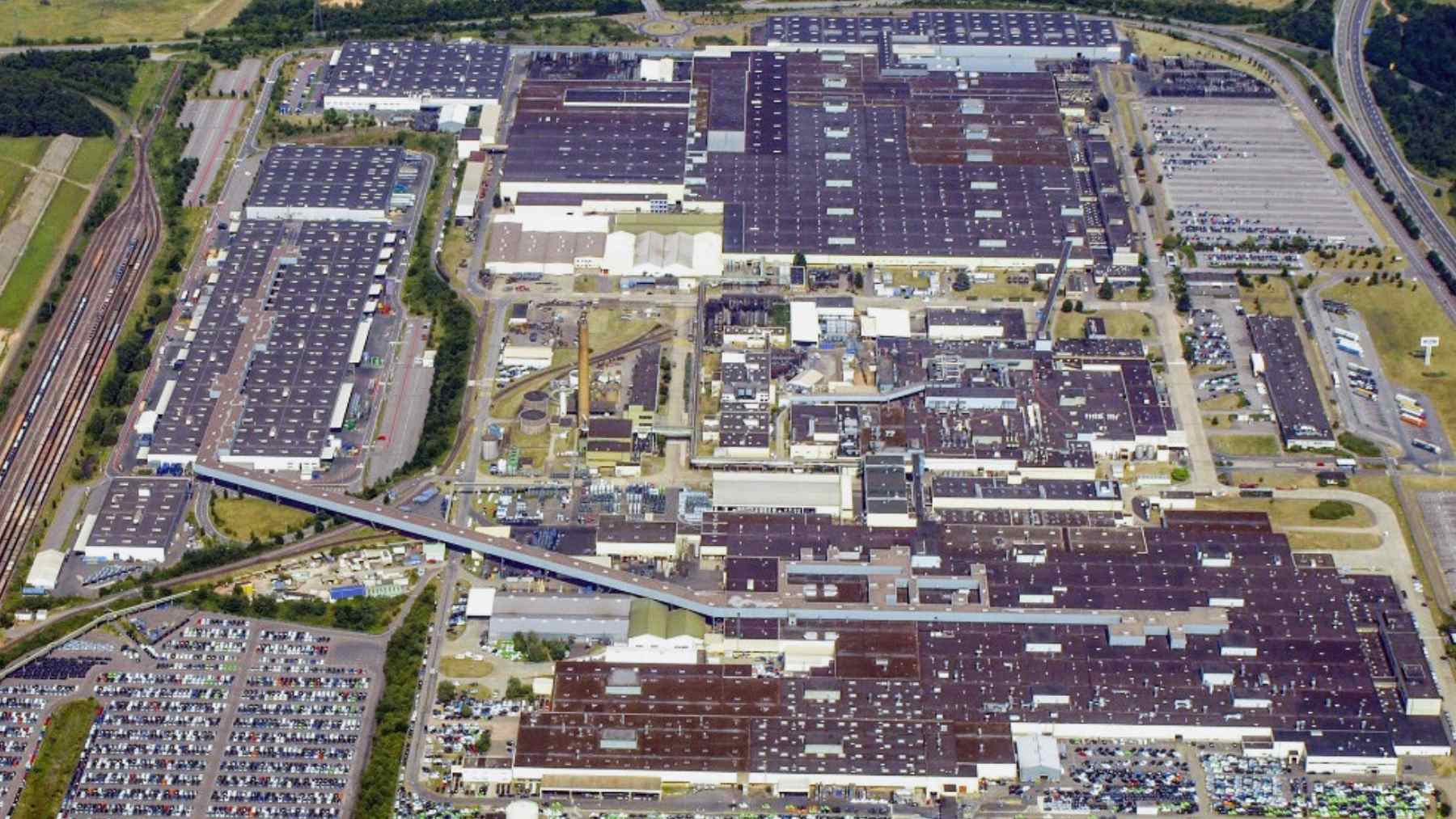
More committed to a deal to open its first European passenger car production plant in Szeged, Hungary. The new plant, hailed as one of Hungary’s most significant foreign investments, is expected to generate thousands of new jobs while affording BYD, a key investment gateway into the European Union.
Moreover, the EU is a significant automobile market, and having a manufacturing unit in the region will help BYD avoid import duties and tap into the local market efficiently. The Hungarian facility will be highly effective in establishing its ambitious plan to increase its market share and consolidate its position within the highly competitive European automotive market.
A Potential Expansion into Mexico
However, unlaid details of the actual implementation of the company’s manufacturing facility in Mexico are still pending, even though it has emerged that BYD also has plans to establish a plant there. According to a source from the Ministry of Economy of Mexico, BYD could build a factory that could assemble 150,000 units of automobiles per year.
If this plan becomes a reality, BYD will benefit from the USMCA’s favorable trade policy, which allows for easy exportation of vehicles to the US market, free from the high tariffs associated with direct imports from China.
Concerns in the US Automotive Industry
Speculation by the BYD Company Limited on Mexico as the location for manufacturing plants has worried US automobile industries and organizations. They fear that Chinese automakers will be allowed to indirectly establish relationships with American car buyers, thus effectively sidestepping the current tariff for cars manufactured in China.
Something else that has been causing worry about the effects of low-cost Chinese EVs on domestic car manufacturers is regulatory policies helping enable the transition to EVs faster than anticipated. Confident analysts and policymakers have voiced concerns over the potential loss of jobs and, more significantly, the sustainable automobile industry of the United States due to the low-cost competition from new entrants like BYD.
While BYD’s globalization strategy has no orientation against Tesla, and the Chinese manufacturer does not intend to compete with Tesla in America through the American market, the potential car maker’s appearance in the American car market via Hungary and Mexico might have considerable consequences for the American car industry.
By relocating manufacturing substations, BYD could bypass trade barriers and sell more inexpensive EVs in the U. S., thus becoming a threat to American automobile companies. There will have to be a close follow-up of the emerging events as policymakers and actors in the automotive industry implement measures they consider necessary to counter what they view as looming competition from Chinese EV manufacturers.
For this reason, the current trends in the global automotive industry, particularly those involving dominant market players like BYD, will inevitably shape the competitive environment and future developments across multiple markets. It is crucial for decision-makers and companies regulating the field to address questions such as how they can encourage innovation and competition while maintaining the interests of domestic markets in the context of the growing geopolitical environment’s complexity.