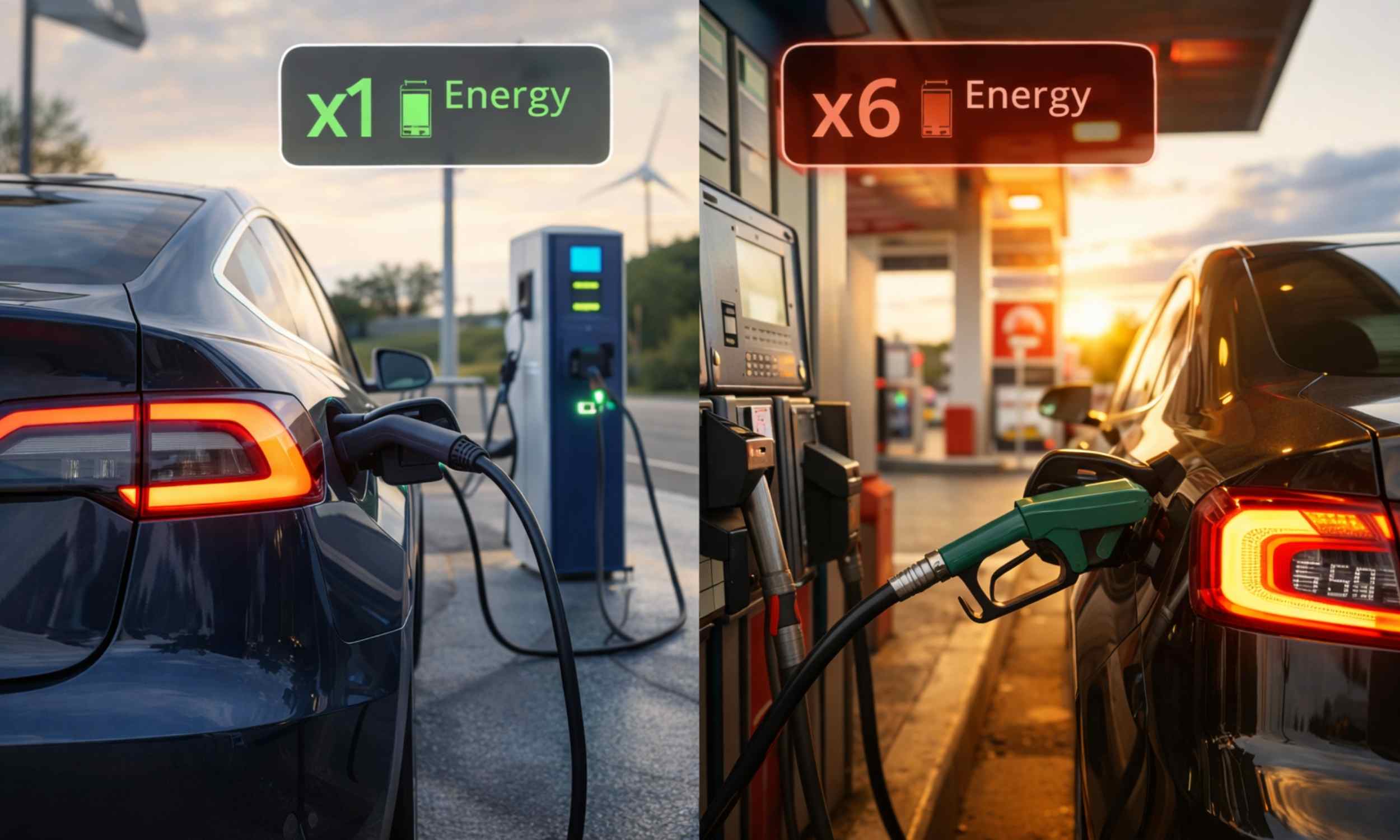
Hydrogen fuel cell technology has been on the uprise in the past decade. With continued elevated innovation for electric vehicles, manufacturers are looking at ways to complement (or rival) hybrid and fully electric vehicle technology. Fast on the heels of hydrogen fuel cells however is a new up and coming technology which could add to the increasing diversified green energy portfolios of automobile companies.
PowerCell is given the green light for for a new methanol-to-power solution
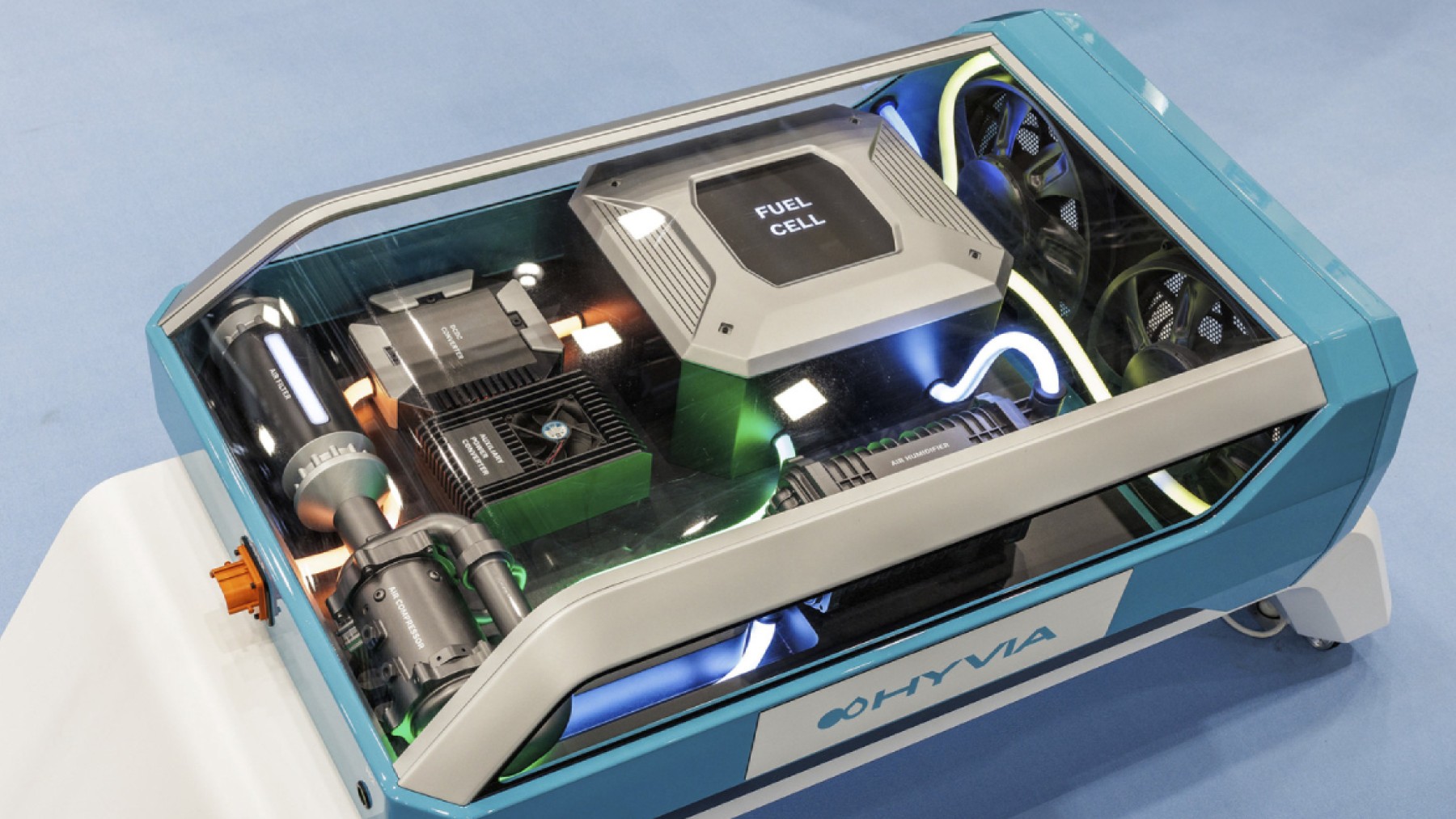
PowerCell, a Swedish hydrogen fuel cell provider, has recently obtained approval by global classification system DNV for a new methanol-to-power solution that combines a methanol reformer with a fuel cell system. The solution is made up of the newly launched Marine System 225 by PowerCell, a compact fuel cell system, combined with a fully integrated methanol reformer from RIX Industries. The system delivers 225 kW of clean electric power with zero emissions.
The principal behind the system is to transform methanol into hydrogen and then stored in a fuel cell. “The Methanol-to-Power solution follows our “Industrialized Innovation” strategy,” says Richard Berkling, CEO of PowerCell Group, “the strategy integrates our industrialized fuel cell components to generate higher value for our customers by minimizing time-to-market, technical risk and technical investment for customers that are pioneering marine electrification and decarbonization”.
Methanol fuel cell technology continues to grow
PowerCell and RIX Industries are not the only ones exploring methanol fuel cell technology. SFC Energy has developed their own SFC Direct Methanol Fuel Cell which is based on DMFC (direct methanol fuel cell) technology. The cells produce electricity from the methanol housed in the fuel cartridge supplemented by oxygen from the air. The methanol is then directly converted into electricity with heat, water vapor, and minimal carbon dioxide released as emissions.
While methanol solutions are not as green as hydrogen solutions as they still release carbon emissions, they produce significantly less when compared to fossil fuels. However, if the methanol itself originates from fossil fuels, the process is rendered null. The key to the success of methanol and hydrogen technology is that they must be produced from renewable sources in order to offset the carbon emissions and make them a green energy solution.
The future of methanol solution technology
The future of methanol solutions such as methanol fuel cell technology has been predicted to make more of an impact in the shipping and long-haul transportation industry. Additionally, it may serve as a stepping stone as the world transitions to greener sources like electric or hydrogen solutions. Currently, methanol solutions have been making an impact in the maritime industry.
While methanol solution innovation is encouraging to see as industry looks at more sustainable solutions, hydrogen fuel cells are most likely still set to make the biggest impact next to electric technology. Hydrogen fuel cells offer the potential for high energy efficiency and zero-emissions, especially in sectors where battery-powered electric vehicles may face limitations such as heavy-duty transportation, aviation, and shipping.
As technology advances, hydrogen fuel cells are set to play a critical role in decarbonizing industries that are difficult to electrify, complementing electric vehicles and renewable energy systems in the transition to a cleaner, more sustainable future. Methanol solutions are also set to grow, and it will be interesting to see how they grow in the long-haul transportation sector.
In terms of private vehicles, methanol engines for automobiles are not yet widespread but hydrogen has a better outlook. Already, there are commercially available hydrogen hybrid vehicles and many automobile brands like Toyota and Hyundai as well as major automobile suppliers are spear heading the way for innovative hydrogen engine solutions alongside their electric solutions.