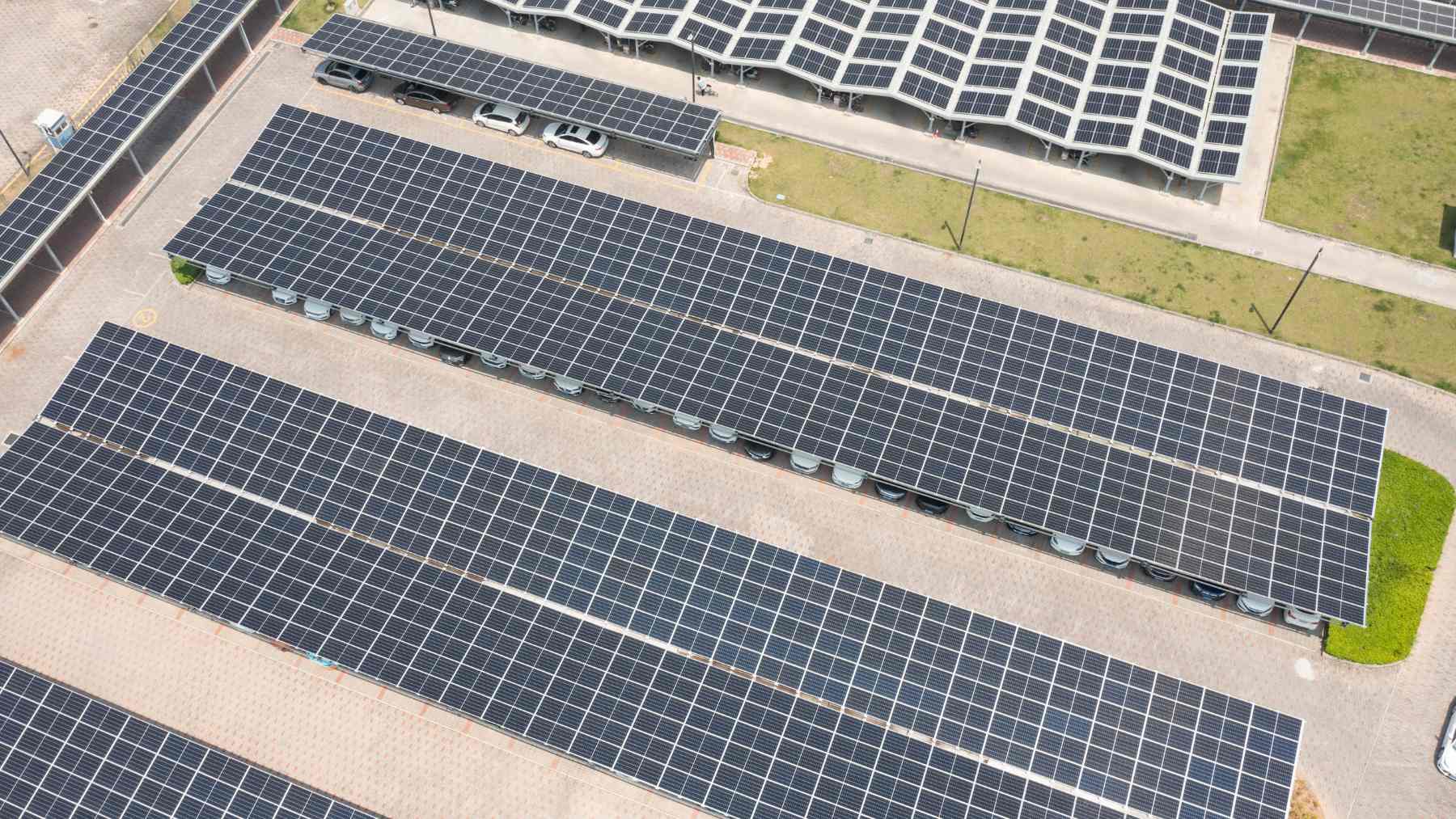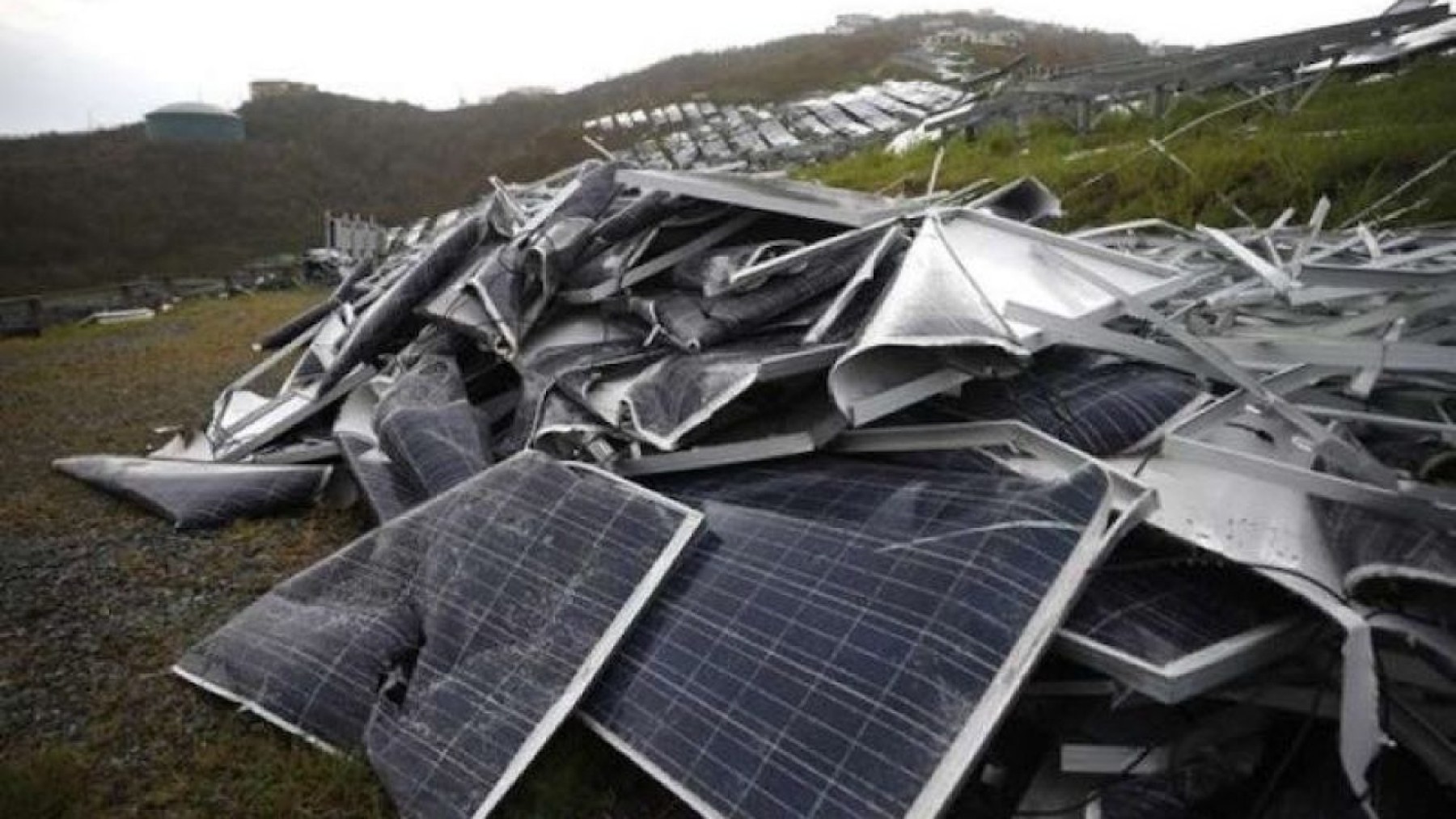
America is on edge, with its eyes on a state that has just made an almost unprecedented decision: they have just “banned” (not literally) photovoltaic energy, which is going to set a landmark. What’s more, there is already talk of millions of solar panels lost and 8 GW, but with a reason you will discover now. What is going on? We explain the consequences of a political decision that is being transferred to the energy field, with unexpected effects that are now coming to light.
No more photovoltaic energy in this state? It seems to be like that, and there are concerns
California’s decision to ban the Net Value Billing Tariff (NVBT) recently has opened major questions whether photovoltaic energy is the future in California or not. Today, we want to go deeper into establishing the consequences of this decision, the current situation of solar energy in California, and the possible consequences for the community solar industry.
The NVBT was aimed at creating a just compensation mechanism for community PV projects that would enable the credits earned through the sales of the generated electricity to reflect their contribution to the utility’s network. This strategy was meant to improve the relatively recent solar access to households and increase community-shared solar projects in California.
Still, last year, the California Public Utilities Commission (CPUC) dismissed this proposal and chose to only increase the number of existing community solar initiatives but without the concept of NVBT. They found that the three largest utility companies lobbied for the ban of the NVBT on grounds that the NVBT would impose costs on other customers.
Millions of solar panels and 8 GW are at risk: The logical reason behind this strategy
Instead, they had proffered substitute programs that more likely benefited only a small portion of the possible appropriators, including mostly government clients as opposed to poor households. This sort of opposition has been a recurrent problem in the US, especially given the position of utilities that continue to distort the emergence of a sustainable community solar program.
The NBT is estimated to range with an average monthly saving of more than $100 for the residential clients, but these savings might not be sufficient to spur the use of solar power. The CPUC’s decision to only allow current fixed compensation rates for existing solar customers implies that those who are current users of solar technology will not be impacted.
From leader in photovoltaic energy to losing 40,000 jobs: What has happened in California
The new Net Billing Tariff (NBT) has replaced the system of the net energy metering previously used and has changed the finances for the new customers of solar energy. The NBT, unlike the feed-in tariffs, provides a tariff for the exported electricity depending on its wholesale value, which is not so attractive to many prospective clients.
The rejection of the NVBT is considered to have a negative impact on the further development of the CST in California. Advocates argued that implementing the NVBT could have led to:
- With regard to community solar programs, the number of consumers exceeded 2 million households; low-income ones will get a potential saving of nearly $500 per year.
- With such an investment, at least $23 billion should be made in a bid to help set up more than 40,000 jobs in the solar industry.
The generation of enough power to exceed the capacity of current gas peaker plants and the fulfillment of California’s climate objectives by moving away from fossil fuels.
Do you think the photovoltaic energy ban in California is the right decision? Those who defend this measure claim that we will not run out of solar panels (in fact, we will) and that it is only a matter of imposing certain legislative limits. The energy communities, however, have proven to be a solution for the future that, together with the flexible solar cells we have shown you on other occasions, aim to bring renewables even to homes and businesses.