Canada had missing energy that has been found in the sewers. There is enough to supply entire countries. More and more regions are choosing to exploit their resources and not depend on others. This is how such fascinating initiatives have come about, such as the product that creates transparent energy and leaves out greenhouses and farms.
The energy sector is at a crucial point due to the growing need for energy supply. Another field that is also experiencing a boom is that of self-supply. The world is increasingly focused on sustainability and reducing carbon emissions, which is why the transition to cleaner energy sources is more of a necessity than a decision.
Having your own energy at the country or user level is an attractive option that reduces environmental impact and can generate significant savings.
Canada surprises us with missing energy
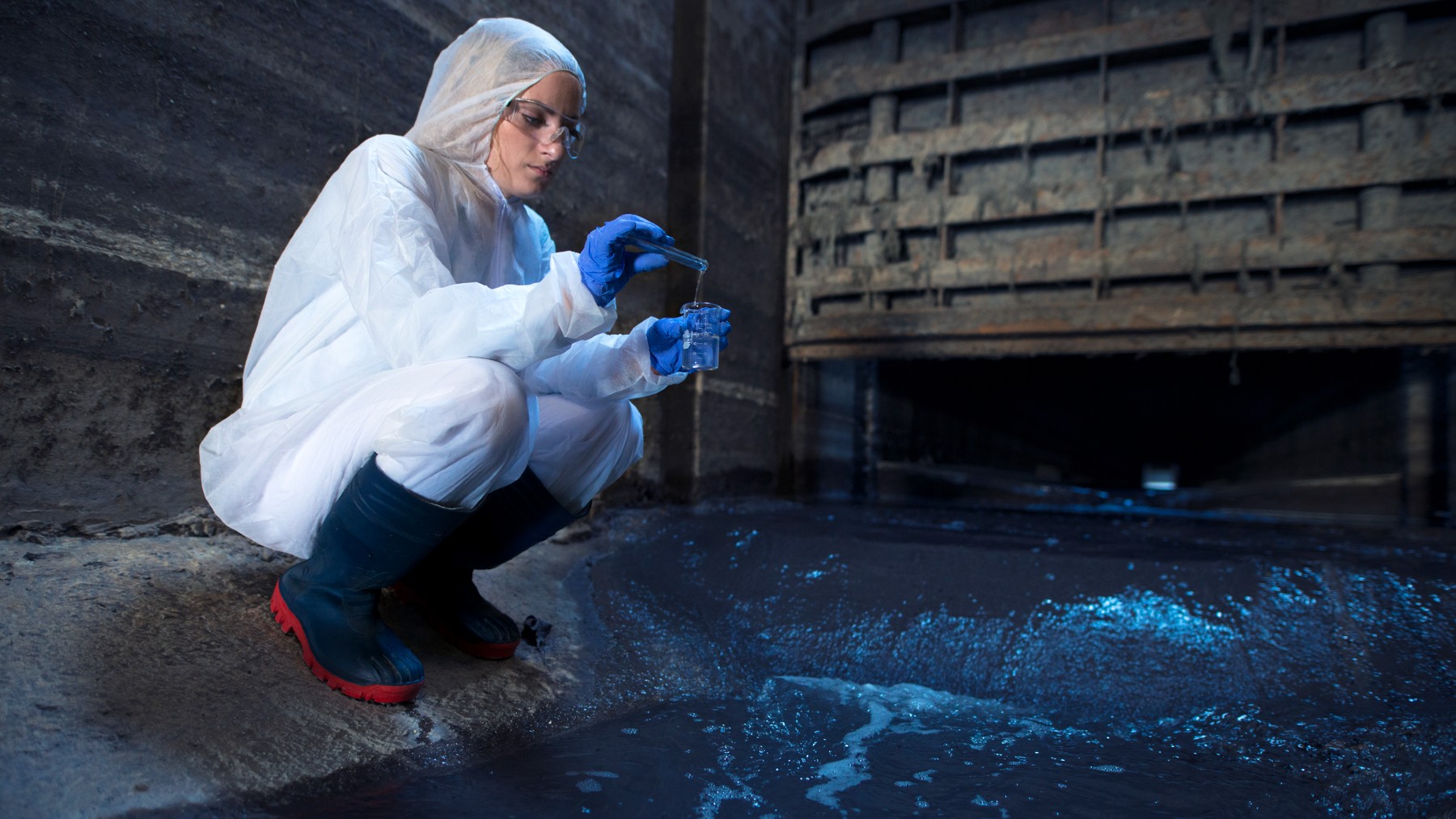
Residents of False Creek, a Vancouver neighborhood on Canada’s west coast, are using their own sewage as a source of renewable energy. The newly redeveloped neighborhood has 6,210 homes. To join the rest of the world in their quest, they make the most of the waste that normally ends up lost in sewage systems.
Instead, they get inexpensive, carbon-free heating and hot water. “There’s enough heat in the sewer system to literally heat neighborhoods,” Derek Pope, head of neighborhood energy for the City of Vancouver, expounded in a conversation with the BBC. “That’s what we’ve been doing here in False Creek since 2010,” he noted.
This is not the only neighborhood that is opting for this form of energy. There are other municipalities that are also harnessing excess waste heat to decarbonize their energy grids.
“The most interesting thing is that our heat recovery system operates at over 300% efficiency, so for every unit of electricity we use to run the heat pump, we get more than three units of thermal energy or heat,” Pope explains.
“Utilizing waste heat is one of the tools we have at our disposal to move away from (natural gas). It’s a really good platform for reducing emissions on a neighborhood scale, especially in dense population areas.”
How does Canada’s missing energy work?
When we talk about missing energy, we mean that the energy produced by this system would have been lost if it had not been implemented. The method by which this energy comes into existence and is useful works as follows.
The city has installed an energy center above the sewage pumping station that captures the heat before it reaches the treatment plants. The heat from the water is relatively easy to harness in the sewer system because it is contained.
Also, wastewater is around 20ºC and the heat pumps concentrate that heat to generate hot water until it reaches 80ºC.
How many houses can it supply?
The heat is recovered from the residential water and then passed into a network of pipes 8.3 km long. The latter is called the thermal network and distributes the heat to the 44 buildings in the district.
As recorded by the BBC, experts at London South Bank University in the UK calculated in 2020 that the energy from the UK’s 16 billion liters of wastewater per day could theoretically provide more than 20 TWh of heat energy per year. That is enough energy to power 1.6 million homes.
However, the UK and Canada are very different, and the latter is still a long way from supplying that much energy. The biggest challenge is, according to Pope, the lack of integrated urban planning and vision for the future. “We need to start looking at waste heat as a resource and find ways to incorporate it into urban planning,” he warned.
Ultimately, Canada’s vanishing energy has a lot of potential and, if it moves forward, could teach us a lesson in how to source energy for our day-to-day lives. Until that time comes, we will have to “make do” with existing projects, such as the 300,000 hectares plagued by the energy of the future.