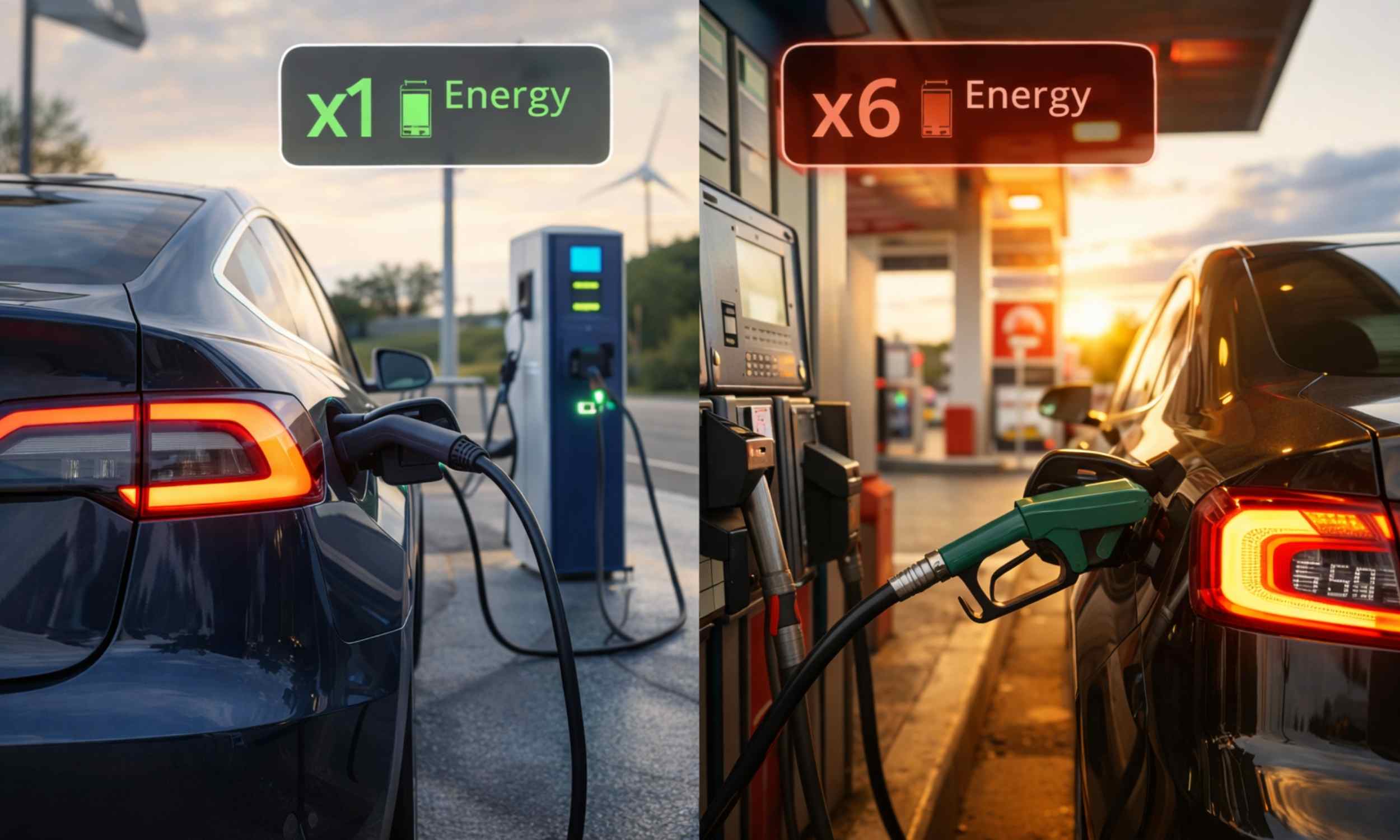
The carmakers have just made a historic shift in their decarbonization strategy, and it won’t just be about EVs. What’s more, it won’t even be focused on hydrogen, which was one of the most promising sources. A group of automotive experts is already talking about the “new diesel“, with unprecedented efficiency that surpasses engines seen until now. The curious thing is that it is liquid and gaseous at the same time and has been used in ships, cars and even heavy-duty vehicles, which shows its enormous potential.
Experts are talking about “the new diesel”: It’s neither hydrogen nor electricity, but this one
Over the years, Liquefied Petroleum Gas (LPG) has been seen to be more suitable to be used as fuel than diesel. This change is because LPG has features such as being environmentally friendly and economical, and it easily fits in existing engine systems. While diesel is on the decline because of pollution and legislation issues, LPG becomes the market’s new environmentally friendly fuel.
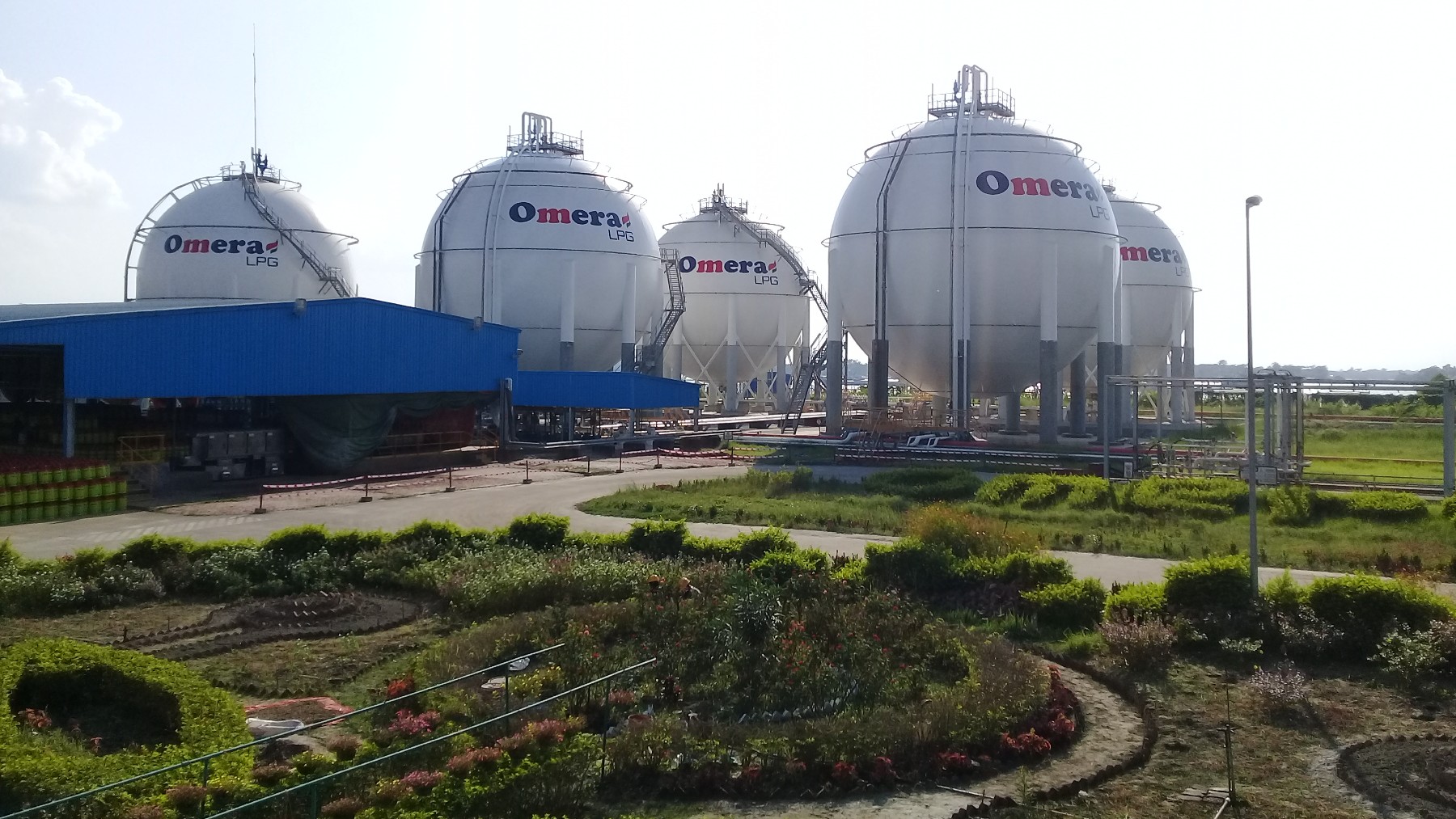
LPG stands for Liquefied Petroleum Gas, which is a flammable gas occurring in gaseous form and is extracted from crude oil or natural gas. They include primarily propane and/or butane, either singly or in mixtures or blends with other gases. LPG is recovered in gaseous form under normal temperature but is marketed and transported in a liquid state under pressure.
It is important to understand that LPG has some benefits over the other fuels, and that one of them is that LPG combustion is cleaner. They claim that natural gas emits much less carbon dioxide than oil and coal and is thus better for the environment. Habu and Henein have separately done extensive work on the use of LPG in engines, especially those designed for dual fuel operation.
Will LPG replace all existing fuels? This is what experts say about this “new” invention
Research shows that the use of LPG can improve thermal efficiency in conjunction with diesel and, at the same time, improve the emission systems. For example, at different sweet spots, it was found that the thermal efficiency of LPG was enhanced by not more than 1.29% and fuel consumption decreased by about 9.68% compared to the one obtained in the engine running on pure diesel.
However, when LPG is used, the emissions of NOx, HC, CO, and CO2 are much lower and the highest reduction rates are achieved when the LPG blend is 50 percent. Some changes that are made in the integration of LPG include fitting an engine management module to control the timing and quantity of LPG injection, as is the case with the ECU.
Such a configuration enhances the intensity of the fuel-air mixture and, therefore, the expulsion of gases, resulting in enhanced combustion and, hence, higher power levels. The advancement in LPG technology has been occasioned by the search for a better and more efficient source of energy.
LPG is not the same as diesel, so why are they confused? Here’s the reason behind it
These are the designs that can switch between LPG and diesel—new designs of dual-fuel engines for optimum fuel control. Such enhancements have rendered LPG to be a more attractive proposition for auto manufacturers that want to conform to stringent legal requirements for environmental conservation and consumers’ demands.
The market internationally for LPG vehicles is developing, with a projected compound annual growth rate (CAGR) of 6%. Of this, projections are that 30% of jobs will be taken up from 2022 to 2029. This growth is attributed to urbanization, modernization and increase in demand for renewable energy systems.
Car manufacturers are also deploying LPG technology to capitalize on these trends and government-motivated policies on the use of clean energy. More brands have proved to be attractive in the innovation of LPG. These companies are coming up with new engine designs and fuel systems that will be more effective in terms of the use of LPG.
The use of LGP (liquified gas petroleum) in the mobility industry will be a turning point that comes in parallel with the alternative fuels’ revolution. What is clear is that not everything will be hydrogen and that there are other options that minimize emissions in all types of vehicles. However, one question remains: who will want to develop it? Few brands are doing so, let alone expect it from major brands such as Tesla or Volkswagen, at least on a large scale.