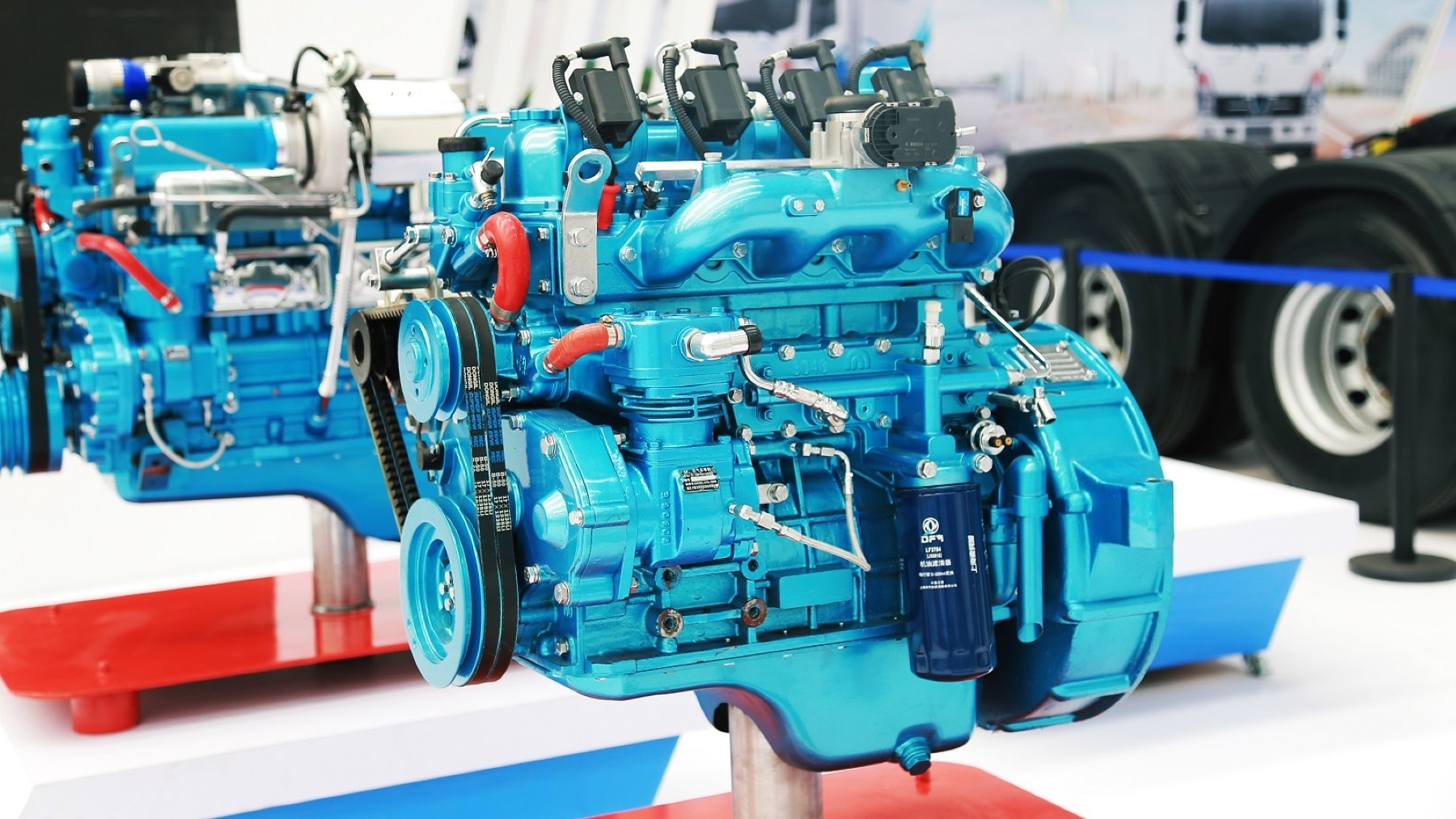
Contrary to embracing electric vehicles, which are now a significant trend globally, and the developing hydrogen fuel market in China, methanol has become a preferred fuel in this country for automotive use. This shift, led by leading Chinese car manufacturers such as Geely and facilitated by state policies, indicates China’s enhanced strategy towards attaining its ambitious carbon neutrality targets.
China will have to control the drawbacks of EVs and hydrogen fuel cells to fabricate methanol-battery synthesis vehicles a reality and establish a new model in the global automotive market. This move aligns with a shift towards feasible energy sources as the country strives to balance its economic and habitual wants.
The methanol advantage: historical analysis reveals a pivotal moment for China’s automotive future
Methanol, specifically known as “wood alcohol,” has not been frequently implemented in the automotive industry, although it has favorable characteristics. As a fuel, it was identified in early trials, although it has only recently started to be used more in China. Methanol was previously used mainly in the industrial sector, for instance, in producing plastic materials.
The Chinese government showed increased interest in methanol in about 2012 when it launched several pilot projects on methanol-fueled vehicles. These experiments suggested that methanol could improve as much as 21 percent in fuel economy over gasoline and a potential reduction of up to 26 percent in CO2 emissions.
It indicates the background to the shift of perception of methanol from a chemical byproduct of little importance to becoming one of the leading players in the search for solutions to build sustainable transport systems.
Geely’s methanol-battery hybrid cars: this technological innovation could reshape the global auto industry
Geely Holding Group Co. Ltd. achieved this by delivering the first methanol-battery hybrid cars in June 2022. It is a major advancement in technology for automobiles as it merges the advantages of using methanol as a fuel source with the principle of battery power.
These vehicles go for roughly 129,800 yuan ($19,373), making them affordable compared to conventional gasoline automobiles and electric cars. Using methanol and battery technology is a strategy designed to mask all the drawbacks of the two fuel types.
Thus, compared to EVs, methanol is cheaper and easier to implement on a large scale; however, batteries allow for improved vehicle functionality and decreased dependence on oil. This blended approach fits Geely’s strategic direction of spearheading the improvement of automobile technology and responding to environmental concerns occasioned by using conventional fuels.
Challenges and prospects: will China overcome these hurdles to lead the methanol revolution in transportation?
However, some challenges lie ahead regarding the development and use of methanol vehicles. Another challenge is the synthesis of methanol, where the current processes are primarily coal-dependent. While methanol can, in theory, be produced using renewable resources like agricultural waste or captured CO2, most methanol in China still originates from fossil fuels.
However, the dependence on coal contrasts with the environmental advantages of methanol as a green fuel. Moreover, there are insufficient refueling stations for methanol; today, their number does not exceed 200 units. This limitation eventually limits the applicability of methanol vehicles and, in essence, confines them to regions, thereby reducing their uptake.
To address these issues, China must assimilate cleaner production technologies into its industrial structure and build its refueling facilities. Thus, using methanol as an automotive fuel is evidence of China’s efforts to change its strategy regarding the future of transport.
Another example of forward-thinking and a new approach to global emissions is using methanol as a fuel in combination with battery technology by Chinese car manufacturers such as Geely. However, the success of this endeavor depends on addressing several key challenges, such as cleaner production and refueling facilities.
However, as China further improves its policies and technologies, the global automotive industry will closely observe the outcomes of these experiments. Indeed, if successfully developed, methanol-powered automobiles could become an attractive complement to electric vehicles and hydrogen fuel cells and influence the future powertrain while also helping China realize its carbon-neutral target.