In a notable milestone, Chinese medical experts made history by conducting the first telesurgery robot across two continents. This revolutionary operation was performed by Professor Zhang Xu, who controlled the surgical procedure from a console in Rome, Italy, on a patient located over 8,000 kilometers away in Beijing, China.
The patient, suffering from prostate cancer, underwent a successful surgery with Professor Zhang’s console-controlled robotic instruments. This incredible achievement highlights how the advancement of robotic and telecommunication technologies is shaping the future of surgery and expanding medical possibilities beyond borders.
Discover how robotic surgery enables doctors to perform operations from miles away
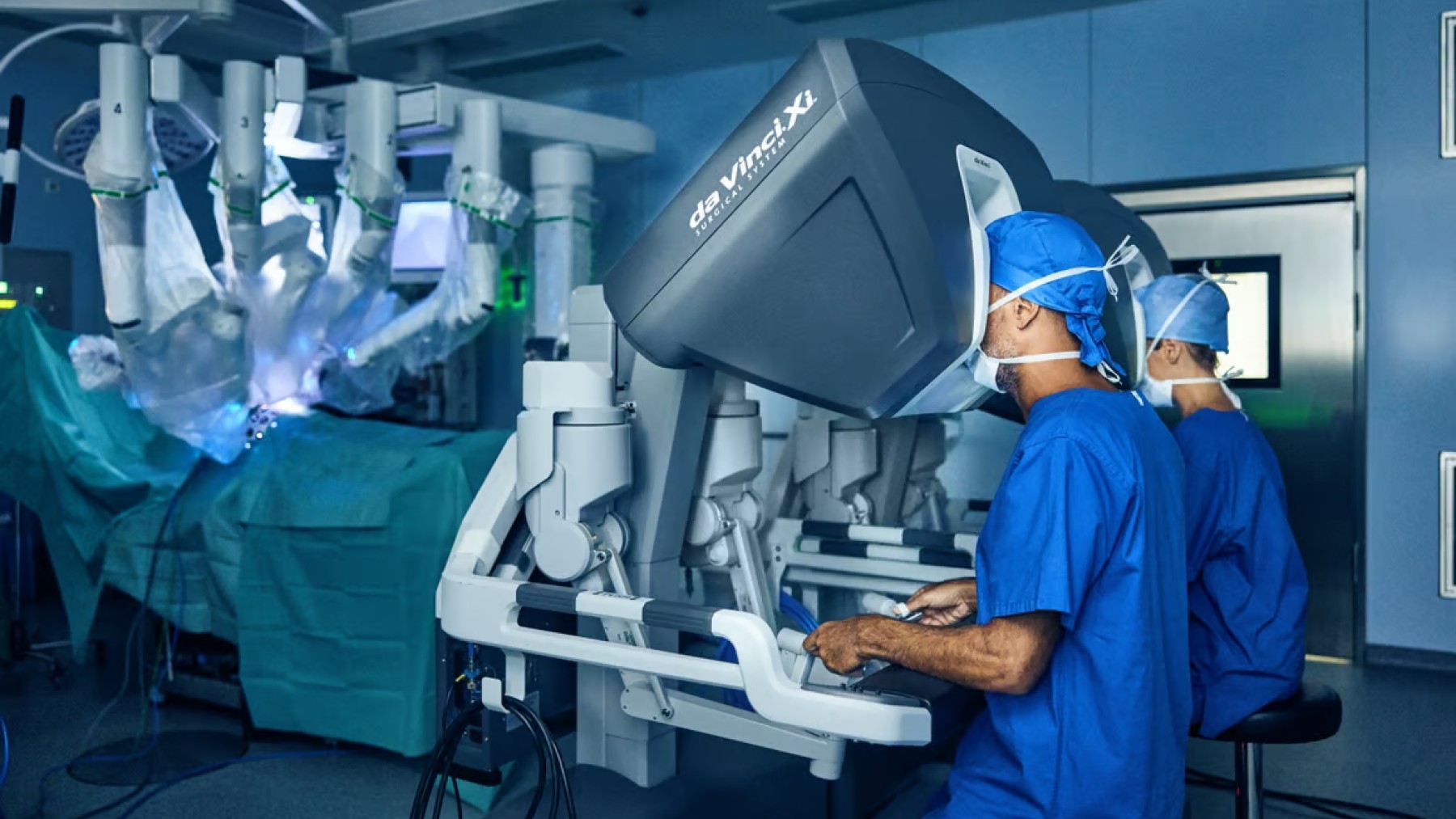
The system that made this feat possible relies heavily on robotic instruments and high-speed internet connections, allowing surgeons to operate without being physically present. In this groundbreaking procedure, Professor Zhang removed tissue from the patient’s prostate using robotic tools.
A key factor in the success of the surgery was the remarkably low delay between the surgeon’s actions and the robot’s response—just 135 milliseconds—far below the 200 milliseconds benchmark set by medical studies for telesurgery.
The precision of the surgery depended not only on the advanced robotic systems but also on the synchronization between these machines and the surgeon’s skillful guidance. Using a remote console, the physician could maneuver robotic arms and delicate surgical instruments with high precision, almost as if performing the surgery in the same room as the patient.
This achievement is a testament to the effectiveness of robotic surgical systems when combined with surgeon expertise, enabling an efficient and smooth operation.
How robotic telesurgery is overcoming communication delays and improving patient safety worldwide
One of the biggest challenges in performing remote surgeries is the risk of time delays, which can jeopardize patient safety. Communication between the surgical team and the remote surgeon must be flawless. However, according to Professor Zhang, the operation’s seamless feedback made it feel like he was physically present, performing the surgery on-site.
This near-real-time communication opens up possibilities for regions with fewer medical resources to access world-class surgeries from afar, revolutionizing the healthcare landscape. By completing this procedure, Professor Zhang and his team have set the stage for a new era of remote surgeries that can drastically improve medical access in underserved areas, reducing the need for patients to travel long distances to receive expert care.
The far-reaching future of telesurgery: How military operations and remote communities stand to benefit
The implications of this success stretch far beyond the surgical theater. This innovation signals a future where geographical barriers will no longer restrict complex surgical interventions. Patients in remote or rural regions will be able to access the expertise of top surgeons without leaving their communities, increasing their chances of survival and improving their quality of life.
During the conference where this groundbreaking operation was discussed, Conference Chairman Vito Pansadoro praised the procedure as a significant milestone for the global medical community. While it is still in its early stages, the successful outcome proves that telesurgery has the potential to change the face of healthcare as we know it.
More research and development will be needed to refine these techniques, but the future looks promising for expanding telesurgery capabilities to more complex procedures. There are also plans to extend telesurgery to military applications, where timely and effective surgical responses are crucial in saving lives on the battlefield.
With telesurgery, combat soldiers could receive immediate treatment even if they are far from a medical facility. This could lead to remarkable improvements in survival rates for injured soldiers, making remote surgery an invaluable tool in military medicine.
Robotic telesurgery: The innovation that could revolutionize healthcare and medical care access globally
Professor Zhang Xu’s pioneering work in telesurgery showcases the limitless possibilities of technological advancements in medicine. As these technologies continue to improve, we can expect to see even more impressive feats in the field of remote surgery.
This groundbreaking achievement marks the beginning of a new era, one in which distance is no longer an obstacle to receiving high-quality medical care. For patients in remote areas or developing countries, telesurgery offers hope for accessible, world-class healthcare, regardless of geographic limitations.
The success of this operation is a beacon of what the future holds for the healthcare industry—an era in which cutting-edge technology enables doctors to provide efficient, comprehensive medical services to anyone, anywhere in the world.
As telesurgery evolves, the global healthcare landscape will undoubtedly benefit from the increased reach and precision that these innovations make possible.