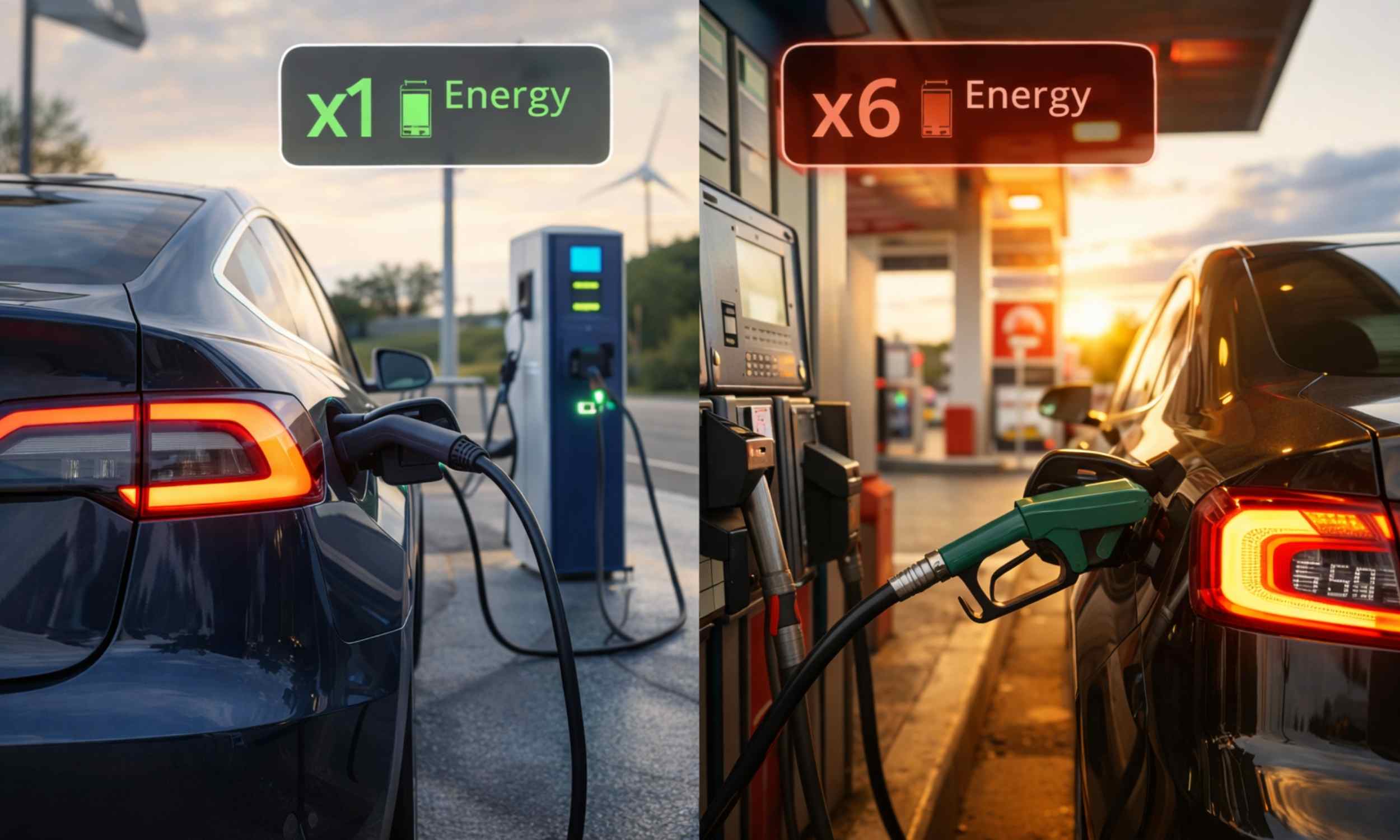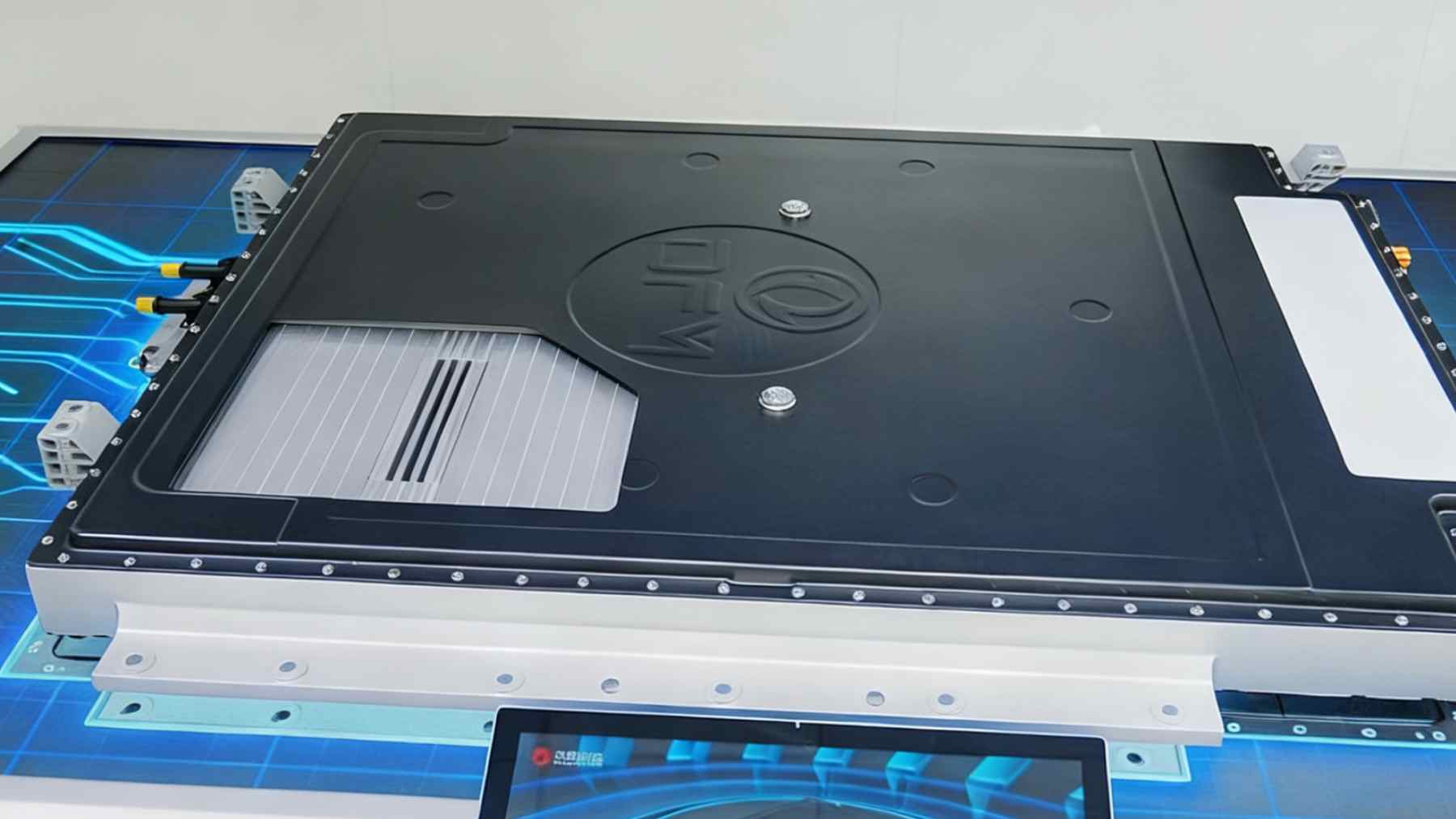
The Chinese zero mobility industry is advancing rapidly, with brands like BYD and Xiaomi leading the charge. However, they have just unveiled a prototype engine that will end EVs (and FCEVs, for that matter). With a 2100 km range, this new technology questions everything we know about zero-emission cars and revolutionizes our roads.
No more EVs in the future? China has presented a “new” technology.
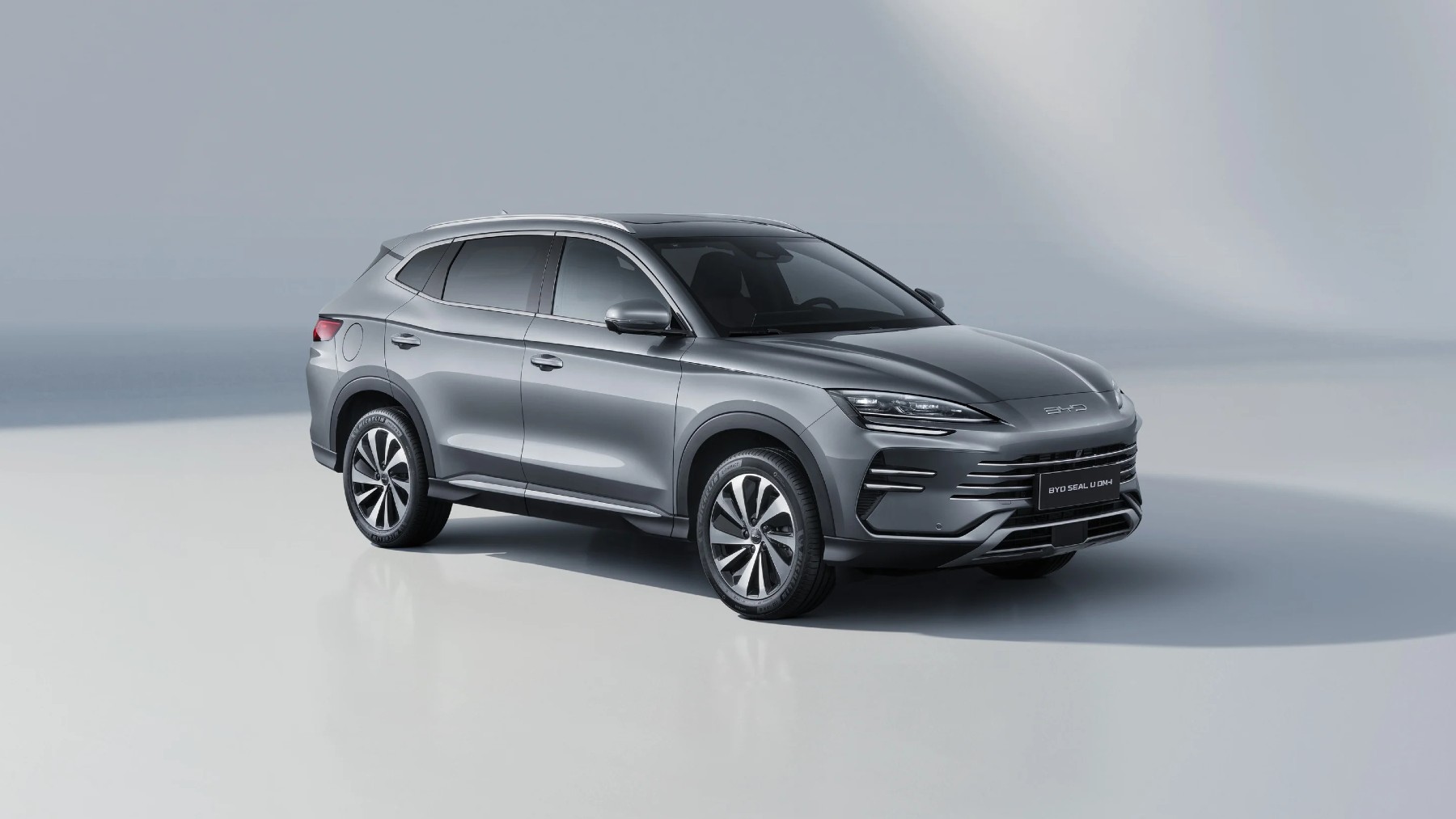
Paying heed to the above details, China’s NEV behemoth BYD Company has recently unveiled two PHEVs with a total driving range of over 2,100 kilometers. Speaking of the fossil fuel-powered Qin L DM-i and Seal 06 DM-i sedans, BYD also features its fifth-generation DM or dual mode technology.
It claims to have the following specifications: the thermal efficiency is 46. 06%, fuel consumption is twice that of the previous model, 13, and it consumes 9 liters per 100 kilometers and boasts up to 2,100 kilometers on a full charge.
These new PHEVs are landmarks in terms of PHEV technology, which has improved significantly from past models. The Qin L DM-i and Seal 06 DM-i are available in five variants: the basic one costs 99,800 yuan or $13,770, while the top-end version can be purchased for 139,800 yuan.
Bad news for America: Why should we fear from this Chinese PHEVs
However, the launch of these PHEVs is terrible news for America in several ways:¡
- Increased Competition: The PHEVs offered by BYD boast long ranges and impressive ameliorations in terms of efficiency, and as such, they will add to the competitive pressure in the world of plug-in hybrids. This may imply changing consumers’ behavior and demands for energy-efficient vehicles.
- Technological Advancements: Fifth-generation DM technology refers to a plug-in hybrid that BYD has developed, and it is one giant leap for the company. This may encourage other manufacturers to invest in similar research.
- Global Leadership: By investing in the scientific development and future of plug-in hybrid technology, the company’s confidence in its ability to drive the sustainable transformation not only of the Chinese but also of the global auto industry may, in turn, spur further spending on sustainable energy solutions.
The problem is not in China, but in our borders: will you get to drive this car?
One issue that has been on the table these past few months (especially since March) is the Chinese auto market’s high tariffs, which will now make a change. Did you expect them to be lifted and BYD to share the highway with Tesla? Nothing could be further from the truth, something you have seen in previous articles.
The Biden administration threatened to raise them to 100%, which would make it almost impossible for 80% of potential buyers (according to industry figures) to purchase one, excluding those with exceptionally high purchasing power, but not high-income families in general, that’s for sure.
What does this mean? That, for the time being, you can say goodbye to driving these new Chinese PHEVs, at least, until the country’s factories start producing them in a sustainable and environmentally friendly way; the main argument of the White House to impose a trade war (obviating the case of Tesla).
These new PHEVs will put a new change of trend on the horizon that will position autonomy as the predominant value of the next EVs rather than as an obstacle, which has happened until now. The problem now is decarbonizing their production, which BYD and Xiaomi have yet to be able to do (and which worries both America and the European Union).