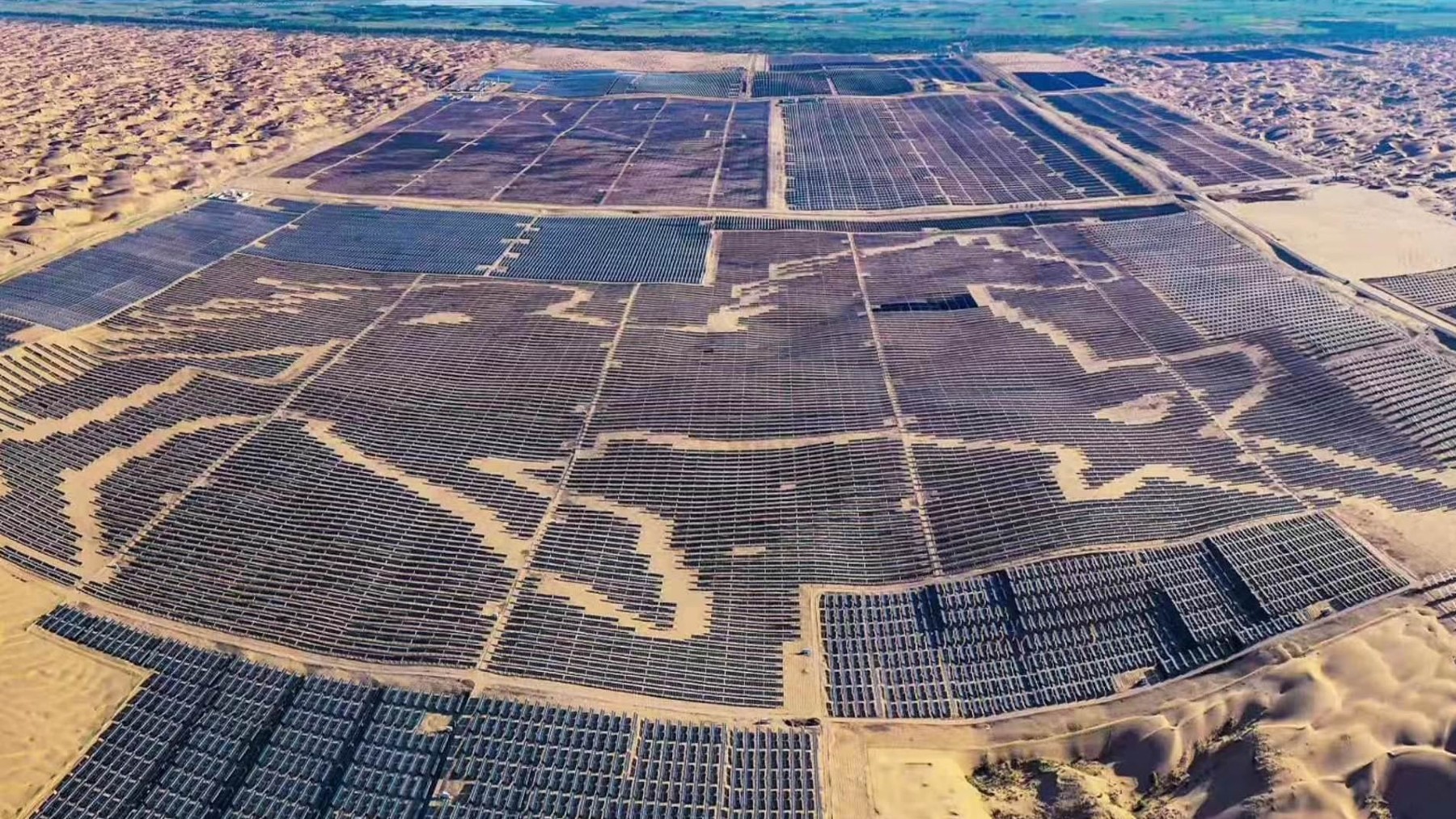
The search for the perfect renewable energy stopped when geothermal energy was found, although it continued with hydrogen. However, once we have seen how natural resources are being trashed, one country has wanted to take the lead. This is the 6 GW colossus in the desert that China has erected, and America is worried about the consequences it could bring.
This metallic “colossus” is in the middle of the Chinese desert: what is it for?
Here, it can be noted that China has embarked on a process of green energy development in the recent past, and the latest achievement is perfect evidence of how the country is keen on decarbonization. With China’s green energy revolution, Xinjiang’s largest solar farm gets connected to the grid.
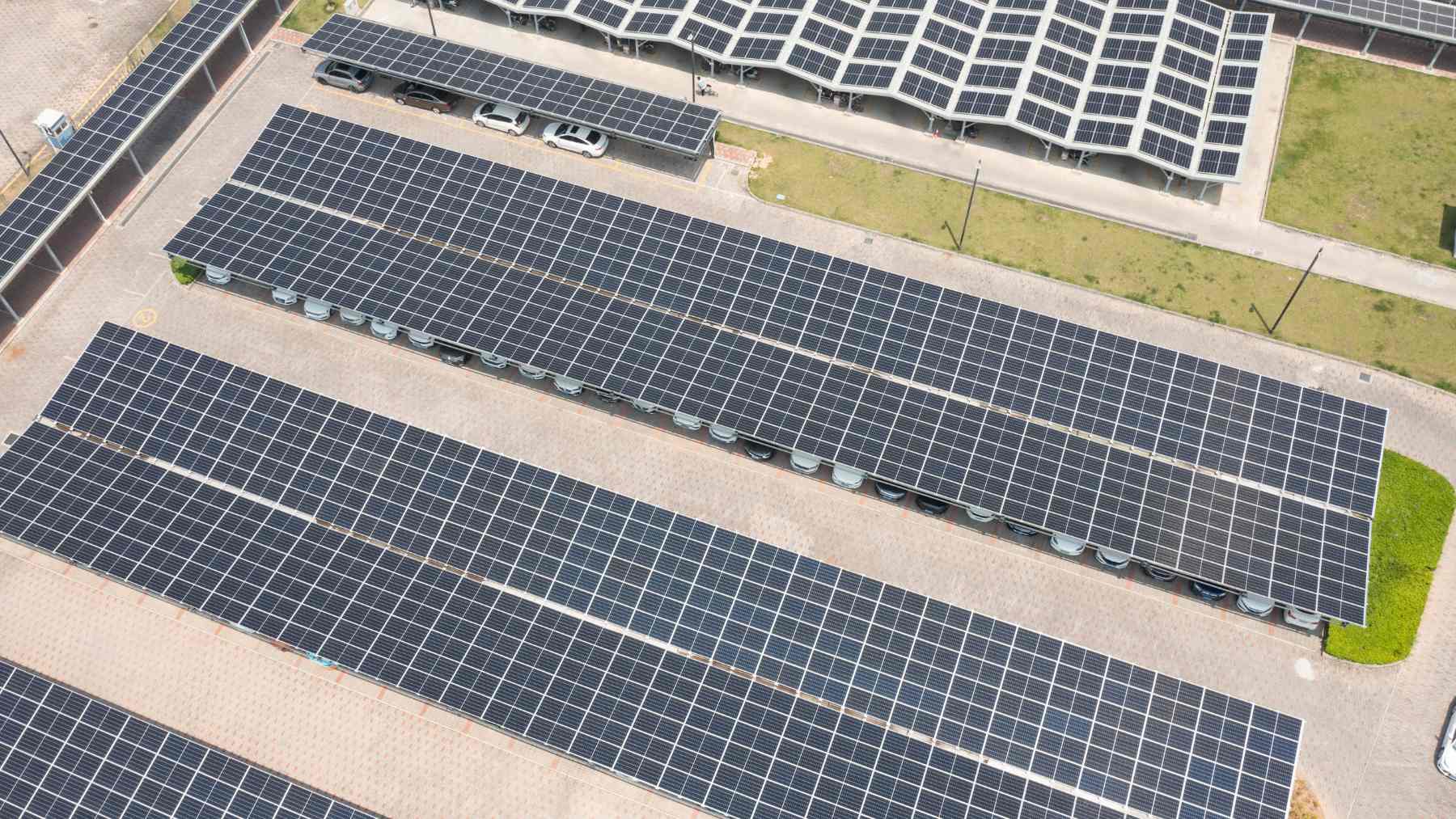
The home solar power plant is a great leap for China’s energy industry and American dominance’s worst defeat in clean energy business territory. This solar farm is estimated to produce 6MW from the 200,000-acre land size provided for the solar farm.
Around 9 billion kilowatt hours of electricity is consumed yearly in Bangladesh. It is enough to power entire nations like Papua New Guinea or Luxembourg for a calendar year. It is in Xinjiang province near the provincial capital of Urumqi and is run by China Power Construction Corporation.
6 GW of electricity to supply the country … and “absorb” the Sun
This enormous power plant is one of the biggest trends in China’s future-oriented energy policy. It also reinforces China’s position as a global player in the green energy sector. Its capability can, therefore, produce record amounts of energy.
This means that 09 billion kilowatt hours of electricity generated here bear significant energy input into the overall output of China. This accomplishment is quite commendable, given that China has set itself on the task of slowing carbon emissions to the highest level by 2030 and achieving carbon neutrality by 2060.
The solar farm itself has sophisticated photovoltaic panels, which are created to provide efficiency in energy production. These panels can also generate electricity at a specific efficiency rate of 20.4%, far beyond the industry average.
Indeed, the facility’s efficiency is complemented by an advanced tracking system that enables the panels to tilt and adjust the angle towards the light source to cater to energy production during the day. The installations are followed by a modern power storage system which stores occasional excess solar power.
The hidden side of the project: what China doesn’t want you to know about its solar farm
Solar farms are expected to benefit the local people more than any other business venture. This plant will provide jobs in the construction process with thousands of employment opportunities and a few hundred after the plant starts operating.
The project is also envisaged to bring at least several billion USD inflows into the local economy to acquire the tangible goods and services needed for the project implementation. However, some say that the solar farm installation in Xinjiang has been based on a blatant disregard for the region’s human rights situation.
Uyghur minority, especially in the Xinjiang province, has been persecuted and forced labor, hence causing international concern. These apparitions of forced labor have provoked discussions concerning the morality of employing slave-like labor in the creation of solar panels and other renewable technologies.
If China had already been prepared to lead the world in photovoltaic self-consumption, they would have now wanted to do the same with large projects. This solar plant in the desert is enough to supply an entire country like Luxembourg (you know, it is not one of the largest and only a European micro-state, but it already shows the dimensions that this proposal will have).