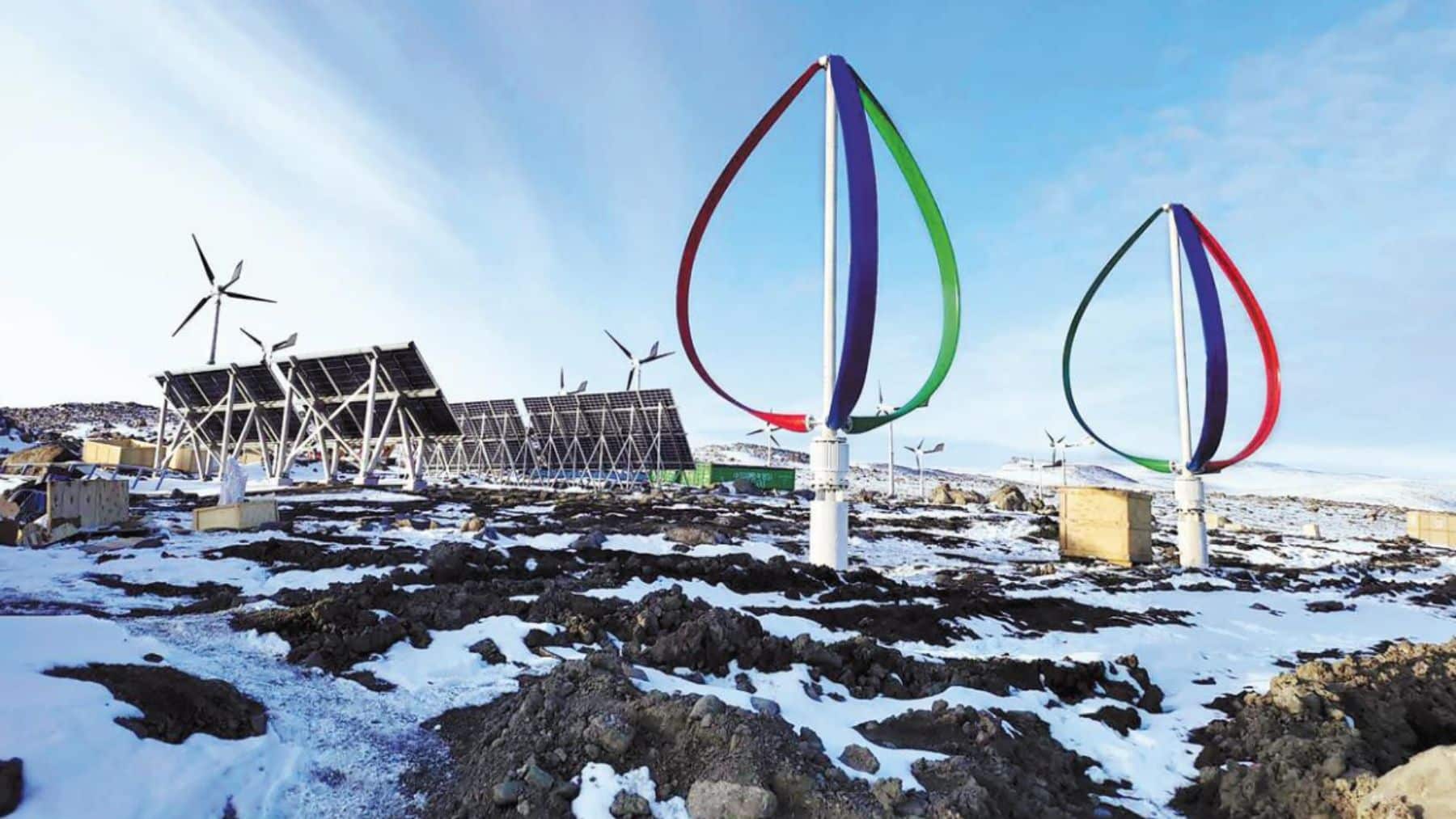
China has made a significant leap in Antarctica, becoming the first country to implement hydrogen energy in the region. Thereafter, China chose to plant two striking towers rising against the ice-cold horizon at China’s Qinling Station. What symbolized a cleaner hybrid future has now resulted in much bafflement. While the wind turbines continue to sing and the solar panels continue to shine, a peculiar signal is pulsing through the polar air and is becoming a slight cause of curiosity and concern.
The white continent is now covered in all green
Having all operations started in 2024, China’s Qinling Station became the central hub of technological as well as environmental progress. The station explored hybrid energy being powered by an amalgamation of diesel, wind, and solar power. In an initiative developed by researchers at Taiyuan University of Technology, the project symbolizes a huge leap forward in terms of clean energy for the cold Antarctica region.
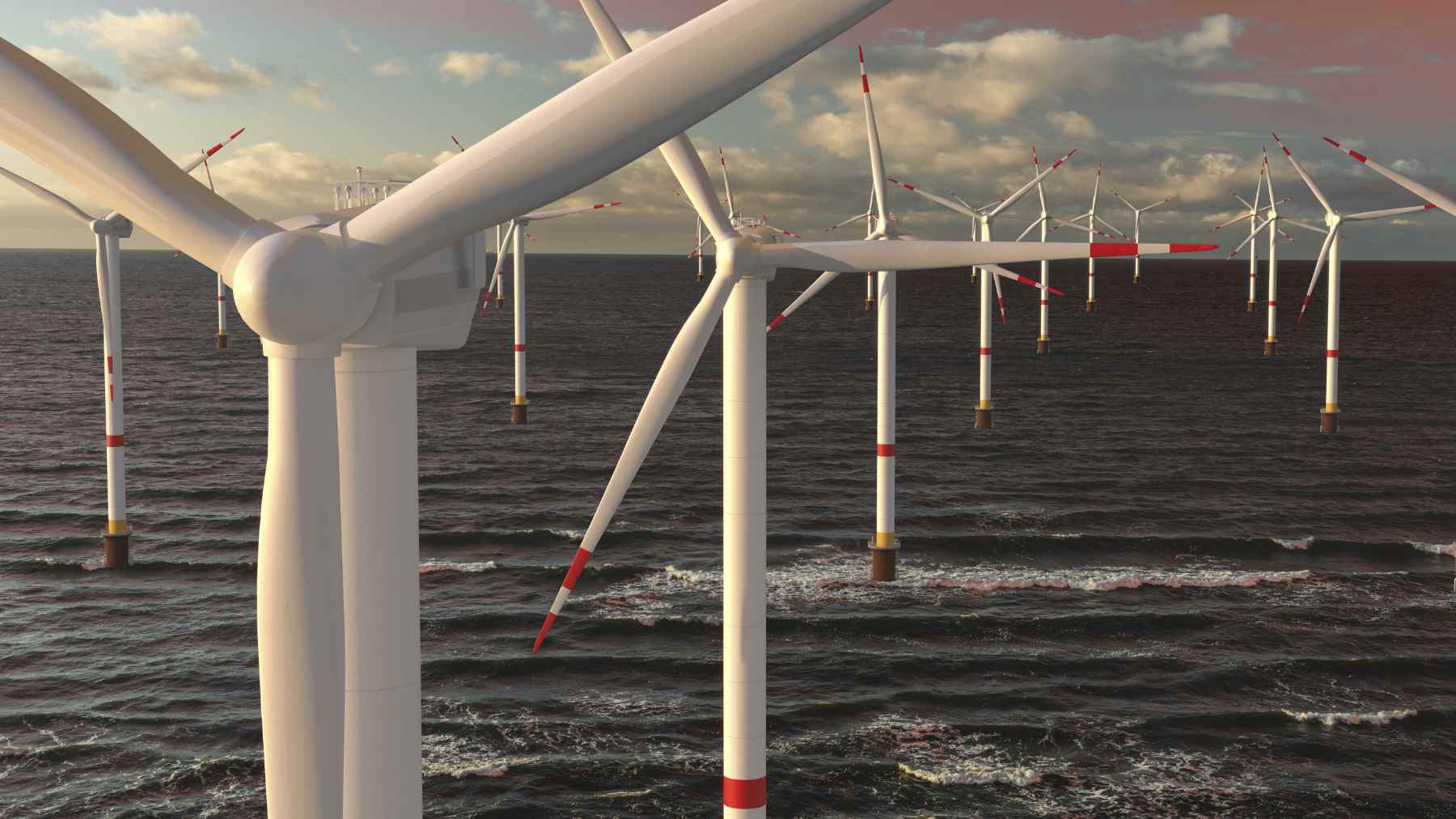
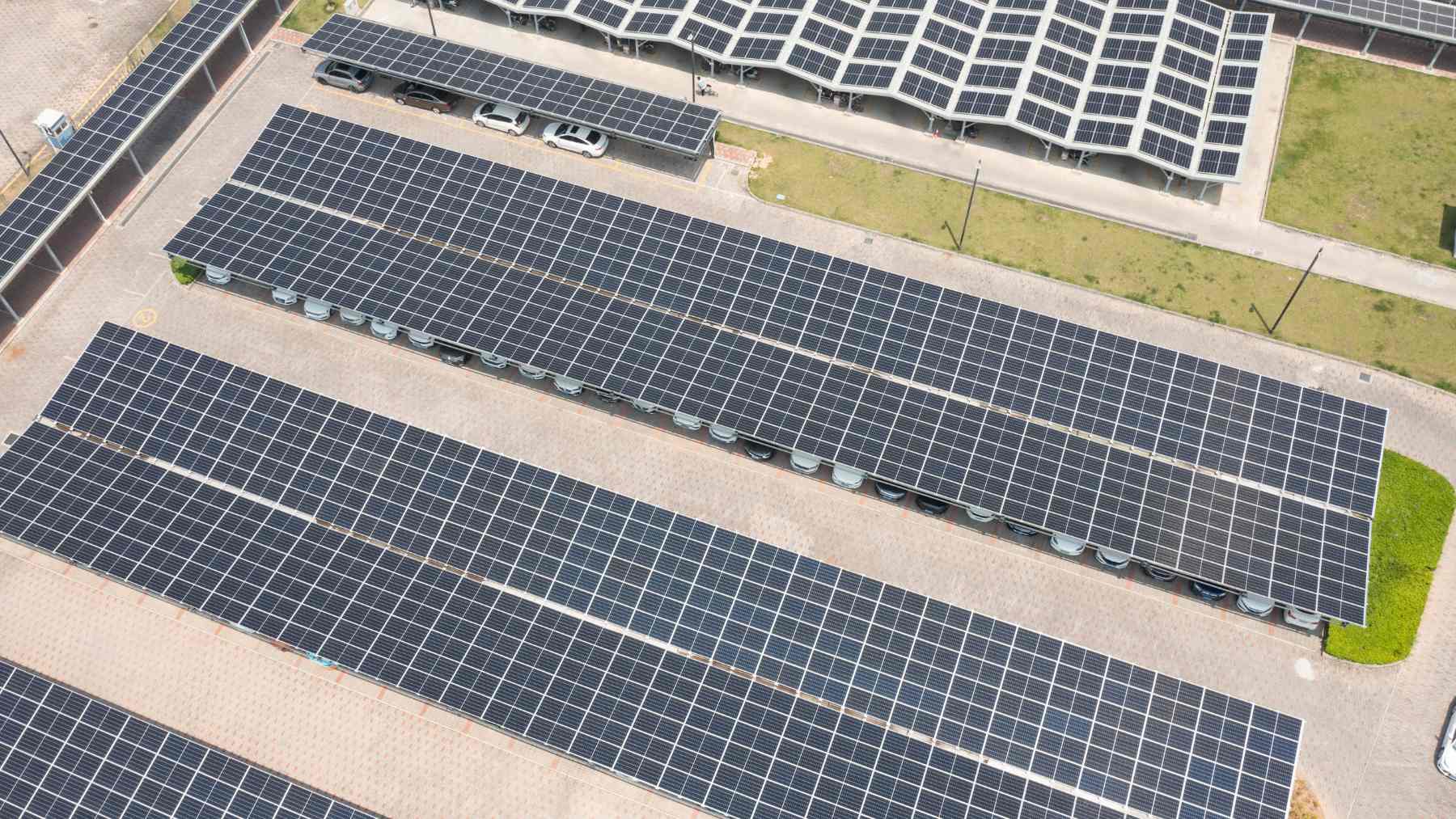
When considering Qinling Station, two large wind turbines and solar panel arrays come to mind that are capable of generating a combination of 230 kilowatts of renewable energy to meet more or less 60 percent of the station’s needs. Backup power is even provided with hydrogen units that have been coupled with low-temperature batteries. This is one structure of note for future off-Earth energy systems. Fossil fuel usage is also cut down considerably.
The 60 percent utilization rate being achieved at Qinling Station proves that this clean energy initiative is perhaps one of the best ways to protect the fragile ecosystem in Antarctica. The station also serves as a testing ground for future sustainable energy bases on Earth.
An uncanny signal that is now pulsing through polar air
With operations in full swing, nearby stations and satellites detected a low-frequency signal that pulsed at regular intervals from the Qinling Station. Every 11 minutes, the pulsing seems to begin and does not align with normal explanations for such a signal.
Researchers from the United States and Australia have also noted the signal and have suggested it may be an unwanted byproduct of the integrated hydrogen system of the station. Speculation is that the signal may be the result of hydrogen fuel cells reacting in the colder and harsher Antarctic climate. The frozen air can be blamed for the signal resulting.
The signal can be detected over quite a long distance. While key technological breakthroughs are being made in the colder region by China, the unexplained signal adds a layer of intrigue to China’s initiative in Antarctica.
Controversy theories and speculation on the icy horizon
The signal, however, is not seen as an accidental occurrence by some. China has time and again hinted that the signal is a mere side effect of the Qinling Station. Nevertheless, the signal reminds some of the Cold War-era experiments in which Antarctica stations were supposedly said to be used as bases for scientific research, but were actually used to test atmospheric communications.
While speculation remains the order of the day, no concrete evidence proves the signal could mean any harm. The mysterious signal remains heard in between sheets of ice with an enigma surrounding what the signal could really mean. Already, NASA has detected an odd radio signal under the ice that is breaking the laws of physics.
An Antarctic shift from fossil fuels to cleaner solutions
Qinling Station enjoys much success in this polar region, providing valuable feedback for future scientific research and space-related endeavors. Despite being developed under icy conditions, Qinling Station is reducing environmental impact while considering hybridization as a way to ensure sustainable energy for the future.
While the strange signal pulsing through the polar region may signify a slight cause for concern, the fact that Antarctica is governed by international treaties and mutual trust means that transparency is surely the order of the day in this colder region. Echoing through the icy air is the sound of a wind turbine humming alongside a sparkling solar panel quietly at work. China continues to find ‘frozen energy’ in Antarctica that will power the continent.